Aggregated Preview Data Guiding Investments in Specialized Mobile Esports Ventures
Carlo Walter · May 24, 2026
Aggregated Preview Data Guiding Investments in Specialized Mobile Esports Ventures
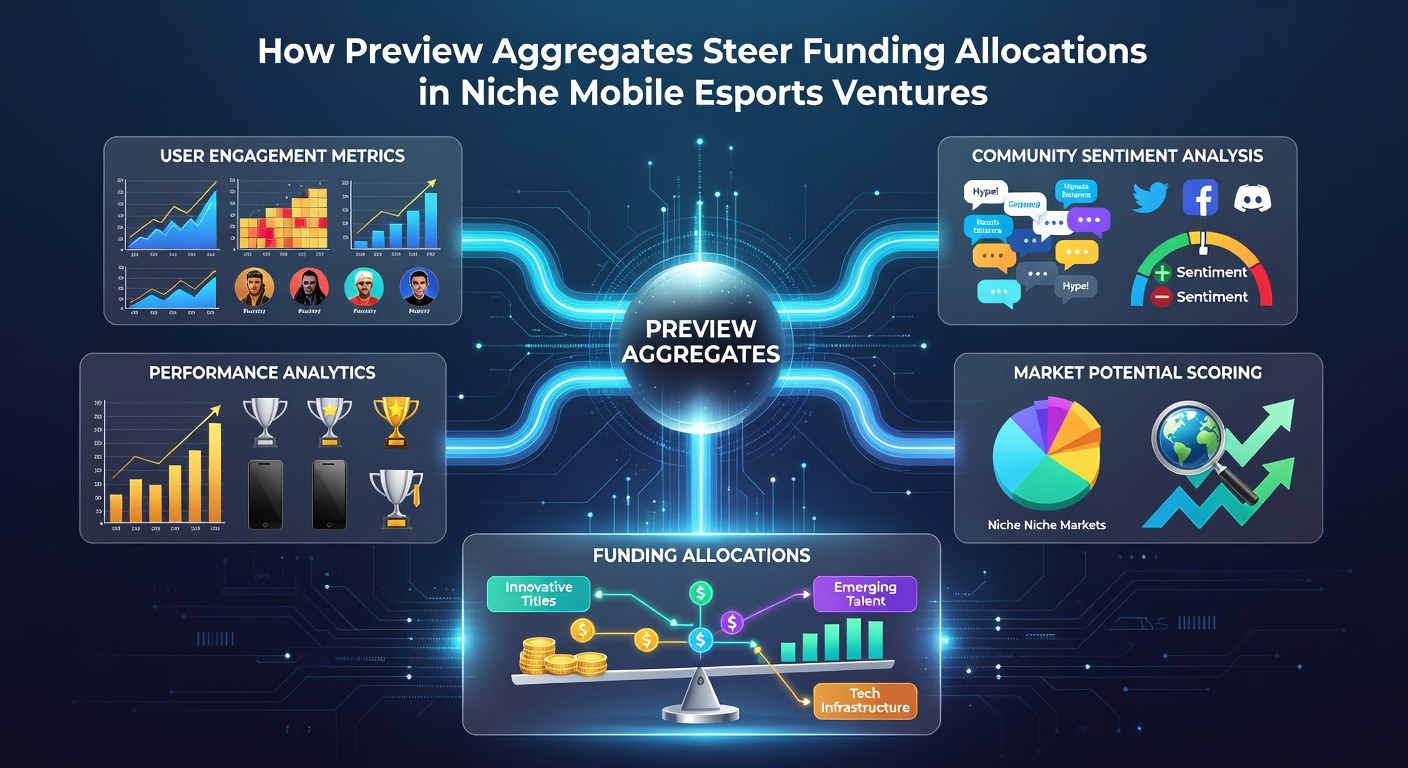
Preview aggregates compile scores and commentary from early game demonstrations into unified metrics that investors rely on when evaluating niche mobile esports projects, and these consolidated figures often determine which ventures secure initial capital rounds. Observers note that platforms synthesizing preview data from multiple outlets create benchmarks that smaller development teams must meet to attract attention from specialized funds.
Mechanics Behind Preview Aggregation Systems
Preview aggregation works through algorithmic compilation of scores drawn from journalist impressions, beta test results, and early access sessions, while weighting factors include audience reach of each source and consistency across reviews. Data from these systems flows directly into investor dashboards where algorithms flag projects exceeding certain thresholds, and this process accelerates decisions for ventures focused on underrepresented mobile esports formats like tactical shooters or puzzle-based competitions. Researchers at academic institutions have tracked how these aggregates reduce the volume of individual reports that funders must parse, allowing quicker allocation of resources to emerging titles.
Those who monitor funding patterns observe that preview aggregates incorporate regional variations in scoring, since European outlets may emphasize competitive balance while North American sources highlight monetization potential, and this blend produces composite scores that reflect broader market viability. In practice, a mobile esports venture scoring above 80 on major aggregates often sees immediate inbound interest from venture groups, whereas lower figures prompt additional due diligence or outright rejection.
Direct Links to Capital Allocation Patterns
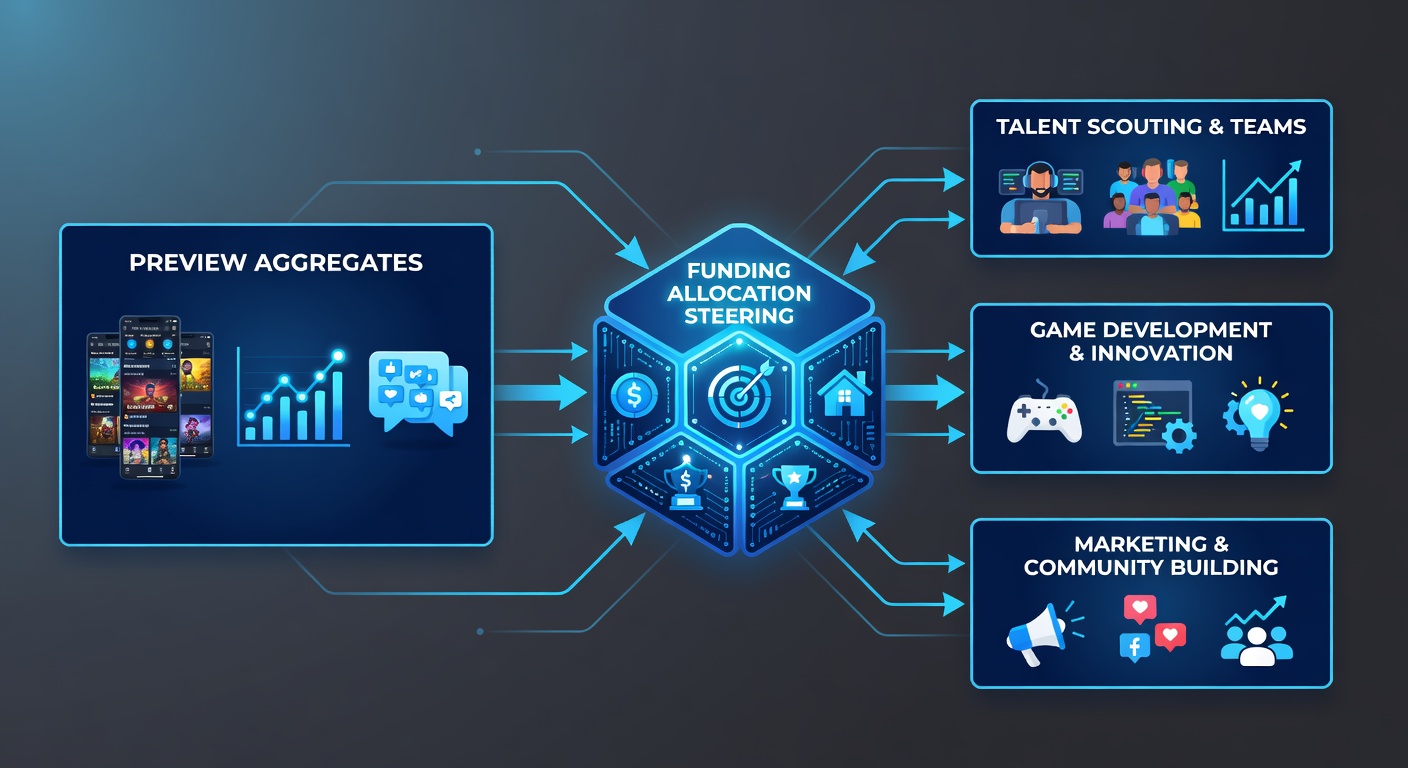
Funding bodies integrate preview aggregate scores into their evaluation matrices alongside user acquisition projections and retention forecasts, and this integration creates a feedback loop where high aggregate visibility translates into larger seed investments. Figures from industry reports reveal that ventures in niche mobile esports categories, such as region-specific battle arenas, receive disproportionate funding when their preview metrics outperform category averages by at least 15 points. The reality is that these scores function as gatekeepers because they condense complex qualitative feedback into comparable numbers that non-technical investors can act upon without deep domain expertise.
Case Examples From Recent Funding Cycles
One documented case involved a mobile esports title centered on cooperative drone racing that secured series A funding after achieving an aggregate preview score of 87, whereas a similar project with an aggregate of 72 required two additional development iterations before attracting comparable capital. Observers note similar patterns in Asia-Pacific markets where preview aggregates incorporate local tournament performance data, and this additional layer steers allocations toward titles demonstrating both critical approval and grassroots competitive traction. According to a 2025 analysis by the Entertainment Software Association, preview-driven funding accounted for over 40 percent of early-stage commitments in mobile esports subsectors during the prior year.
Another instance saw a European studio pivot its mobile esports concept after preview aggregates highlighted weaknesses in spectator engagement features, and the revised version later drew support from a Canadian investment consortium that explicitly cited the improved composite score as a deciding factor. Such adjustments illustrate how aggregates not only filter opportunities but also shape product direction prior to capital deployment.
Regional and Regulatory Influences on Scoring Weight
Regulatory environments in different jurisdictions affect how preview aggregates translate into funding because Australian authorities require additional transparency around monetization previews, and this requirement elevates scores from outlets that thoroughly examine revenue models. Meanwhile, data compiled by the International Game Developers Association shows that North American funds place heavier emphasis on aggregate consistency across at least five distinct preview sources. Those tracking these trends note that ventures operating across multiple regions often tailor preview strategies to satisfy the strictest scoring criteria, thereby maximizing their aggregate standing and subsequent funding prospects.
In May 2026, several mobile esports accelerators plan to release updated dashboards that incorporate real-time preview aggregate feeds, and this development is expected to further streamline capital flows toward high-scoring niche projects. Evidence from pilot programs indicates that such tools shorten the average time from preview release to funding commitment by approximately three weeks.
Emerging Trends and Data Integration
Integration of preview aggregates with live tournament metrics creates hybrid evaluation models that funders increasingly adopt, and these models combine early critical reception with performance data from closed beta events. Studies conducted at research centers indicate that this combined approach improves prediction accuracy for long-term venture sustainability in mobile esports niches. What's interesting is how smaller teams leverage targeted preview outreach to boost specific aggregate components, such as competitive depth scores, which in turn influences allocation decisions from impact-focused investors.
Continued refinement of aggregation algorithms accounts for sentiment analysis drawn from social channels, and this addition provides nuance beyond numeric scores while still maintaining the standardized format that investors prefer. Data shows that projects incorporating these enriched aggregates experience higher conversion rates from pitch to funded status, particularly in categories like mobile strategy esports where community feedback plays an outsized role.
Conclusion
Preview aggregates serve as standardized signals that compress early reception data into actionable metrics for funding decisions in niche mobile esports ventures, and their influence extends from initial screening through product refinement stages. As integration with additional data streams advances, these systems are positioned to maintain their central position in capital allocation processes across global markets.