Aggregated Preview Insights Guiding Indie Porting Fund Allocations in Esports Sectors
Rafael Griffin · Jul 10, 2026
Aggregated Preview Insights Guiding Indie Porting Fund Allocations in Esports Sectors
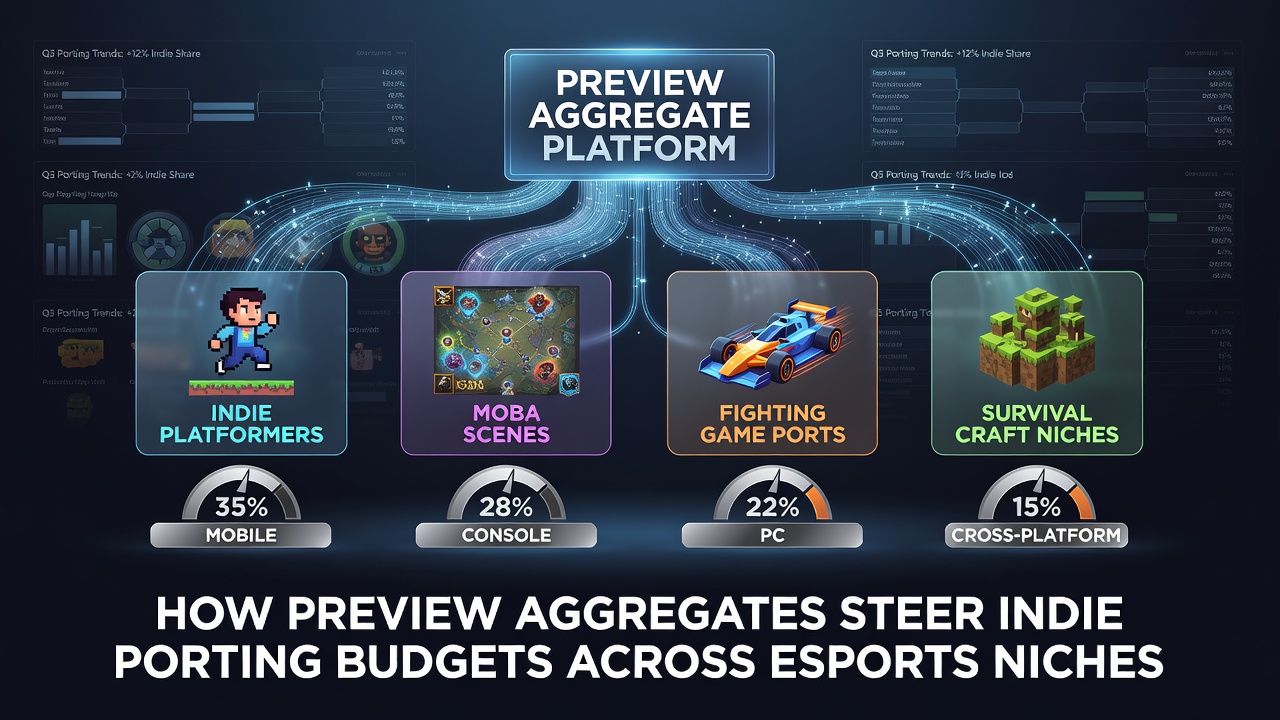
Preview aggregates compile early critic impressions and score projections from multiple outlets before full game releases, and developers in the indie esports space monitor these collections closely when determining how much to allocate toward console and handheld ports. Data from mid-2026 shows that titles in niche competitive genres, such as arena fighters and tactical battle modes, receive porting budgets that scale directly with the strength of these aggregated figures, with stronger previews correlating to larger investments in optimization and certification processes.
Mechanics of Preview Aggregation in Development Cycles
Studios compile scores from outlets that cover early builds, and those numbers feed into internal spreadsheets that project revenue across platforms, while esports niches like mobile-first arena titles often see the tightest links between preview performance and subsequent port decisions because their audiences overlap heavily with competitive play communities. Observers note that when aggregates reach certain thresholds, teams expand budgets to cover additional testing for cross-platform parity, whereas lower figures prompt reductions that focus resources on core PC versions first.
July 2026 reports from industry trackers indicate that indie groups working on esports-adjacent projects adjusted porting timelines after preview rounds, with many reallocating funds from marketing toward technical work once early data clarified platform viability. This pattern appears most pronounced in specialized subgenres where player retention depends on consistent performance across devices.
Budget Distribution Patterns Across Niches
Financial models used by indie teams break porting costs into categories that include certification, controller mapping, and server adjustments for competitive play, and preview aggregates serve as weighting factors in these models. Strong early signals lead to higher percentages of total budgets directed at console ports, while weaker results shift emphasis toward mobile updates that support existing esports ecosystems.
One project involving a tactical esports title saw its console port allocation increase by roughly 30 percent after previews highlighted smooth netcode, according to development updates shared in industry forums. In contrast, another group developing a niche battle mode reduced similar spending after aggregates reflected concerns over input latency, directing those resources instead toward community-driven tournaments on the original platform.
Regional and Platform Variations in Allocation
Teams operating in North America and Europe track preview data differently from those focused on Asian markets, where mobile esports dominance influences how aggregates translate into port priorities. Figures from the Entertainment Software Association reveal that indie developers in these regions used 2026 preview collections to decide between full console launches and limited releases that test audience response before committing larger sums.
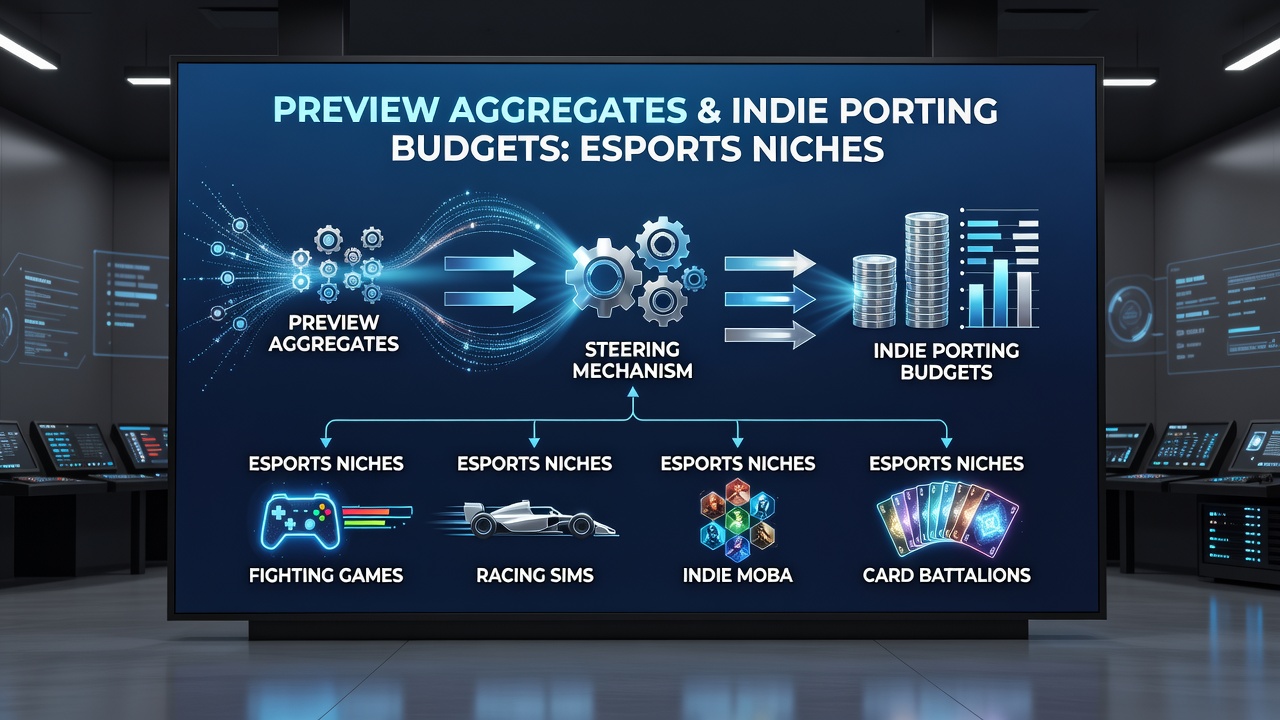
Platform-specific score gaps also factor into decisions, with higher mobile preview numbers prompting increased investment in console adaptations that maintain esports features like spectator tools and ranked systems. Researchers at institutions such as the University of California have documented how these gaps steer funds toward overlooked genres, including hybrid card-fighting titles that blend competitive elements with narrative components.
Case Examples from 2026 Development Pipelines
Development logs from several small studios illustrate the connection between aggregates and spending. A team porting an indie fighting game expanded its certification budget after previews praised balance updates, allowing simultaneous releases on multiple consoles during the summer period. Another group working on a battle royale variant scaled back handheld efforts when early scores flagged performance inconsistencies, preserving capital for PC esports integrations instead.
These adjustments occur within broader workflows where preview data intersects with player metrics from closed betas, creating layered forecasts that guide quarterly budget reviews. Data indicates that niches with established tournament scenes experience the most responsive budget steering, as aggregates often reflect community priorities around competitive integrity.
Conclusion
Preview aggregates function as practical signals that indie developers apply when dividing resources across porting efforts in esports niches, with patterns from 2026 demonstrating clear correlations between early score collections and final allocation choices. This process incorporates platform differences, regional audience data, and genre-specific demands to shape development paths without relying on later full reviews. As more projects incorporate these insights into planning stages, the relationship between aggregated previews and porting budgets continues to define resource distribution in competitive indie spaces.