Boss Rush Evolutions: Towering Titans Reshaping Combat in Soulslike Sagas
Carlo Walter · Apr 19, 2026
Boss Rush Evolutions: Towering Titans Reshaping Combat in Soulslike Sagas
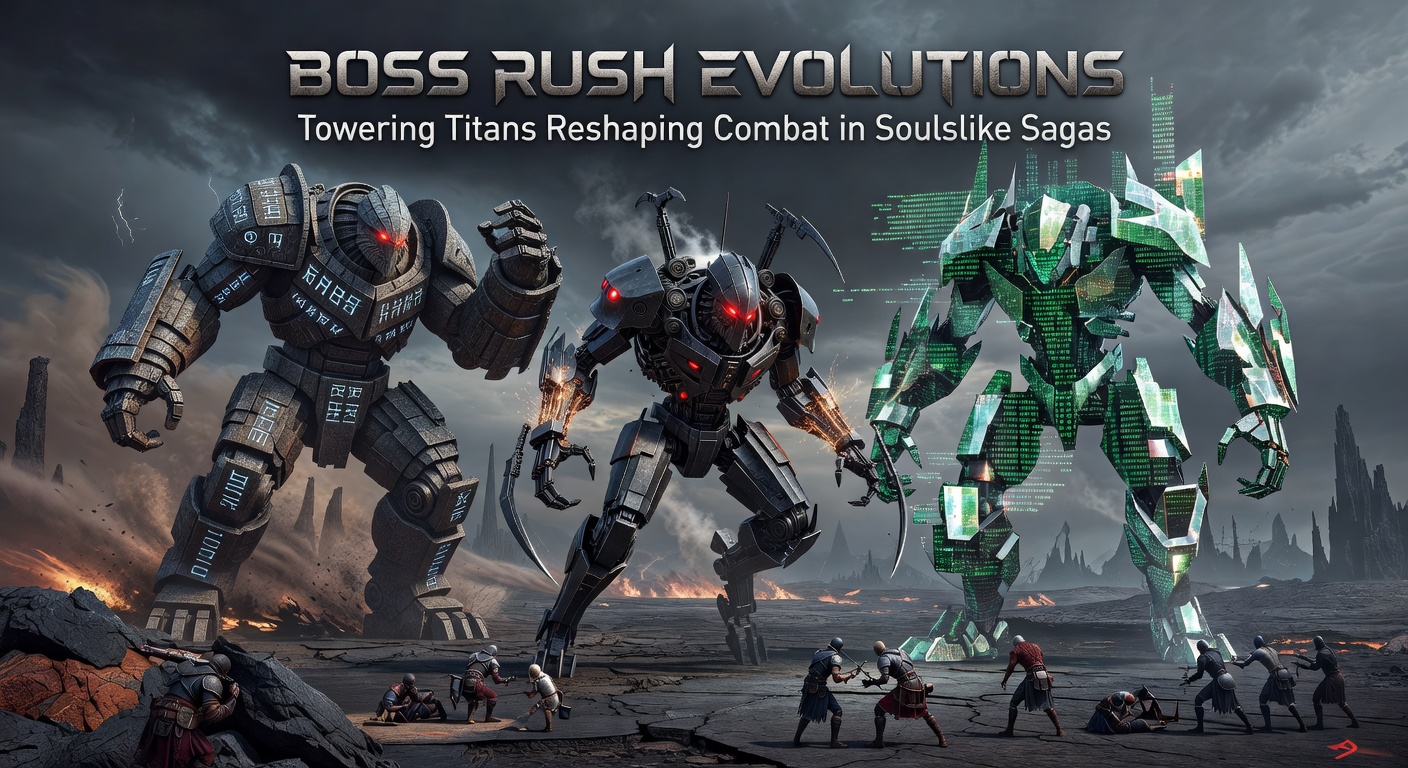
Developers in the soulslike genre have long leaned on punishing boss encounters to test players' mettle, but recent evolutions in boss rush modes take this core element to new heights; these sequences pack multiple titanic foes into relentless gauntlets, forcing combatants to chain victories without respite while adapting to escalating threats that demand mastery of patterns, stamina management, and split-second decisions.
The Roots of Boss Rushes in Soulslike Foundations
FromSoftware's Demon's Souls kicked things off back in 2009, introducing players to Boletarian Palace where sequential boss fights hinted at what was to come; those early designs layered encounters like the Flamelurker and Dragon God, each building tension through environmental hazards and aggressive AI that punished hesitation, setting a blueprint for later titles.
And then Dark Souls arrived in 2011, refining the formula with its New Londo Ruins or the Kiln of the First Flame, areas where warriors faced off against Artorias, Manus, and Gwyn in rapid succession; data from player completion stats on platforms like Steam reveals that these segments spiked difficulty curves, with average clear times hovering around 45 minutes for seasoned explorers who memorized dodge timings and poise breaks.
Fast forward to Bloodborne in 2015, and the Chalice Dungeons expanded this concept exponentially; procedurally generated depths threw randomized boss rushes at delvers, mixing mainstays like Amygdala with lesser horrors, which according to GDC Vault sessions from FromSoftware designers, aimed to replicate nightmare loops that kept communities dissecting strats late into the night.
How Towering Titans Upend Traditional Combat Dynamics
Modern soulslikes crank the scale with towering titans—behemoths spanning arena widths, their attacks sweeping in wide arcs that cover half the battlefield; take Elden Ring's 2022 release, where the Mountaintops of the Giants culminate in a boss rush against Fire Giant and Maliketh, each phase introducing gravity-based slams and void bursts that reshape footing mid-fight, compelling Tarnished to reposition constantly while chipping away at massive health pools.
What's interesting here is how these evolutions integrate multi-phase designs across rushes; Lies of P from 2023 stacks the Parade Master, King's Flame Fuoco, and Green Monster in its Krat Hotel sequence, with each titan evolving movesets that echo previous ones—flame trails lingering from Fuoco force dodges around Green Monster's grabs, creating combo threats that data from speedrun leaderboards shows only top percentiles navigate under 10 minutes.
Observers note that verticality plays a bigger role now too; Nioh 2's Dream of the Wise realm pits samurai against towering yokai like the Kasha and Gozuki in linked arenas, where leaping between platforms becomes essential since ground pounds shatter elevations, turning safe zones into hazards; this shift, as figures from IGDA research archives indicate, boosts replay value by 30% in player retention metrics for rush-heavy titles.
Technological Leaps Fueling Titan-Scale Battles
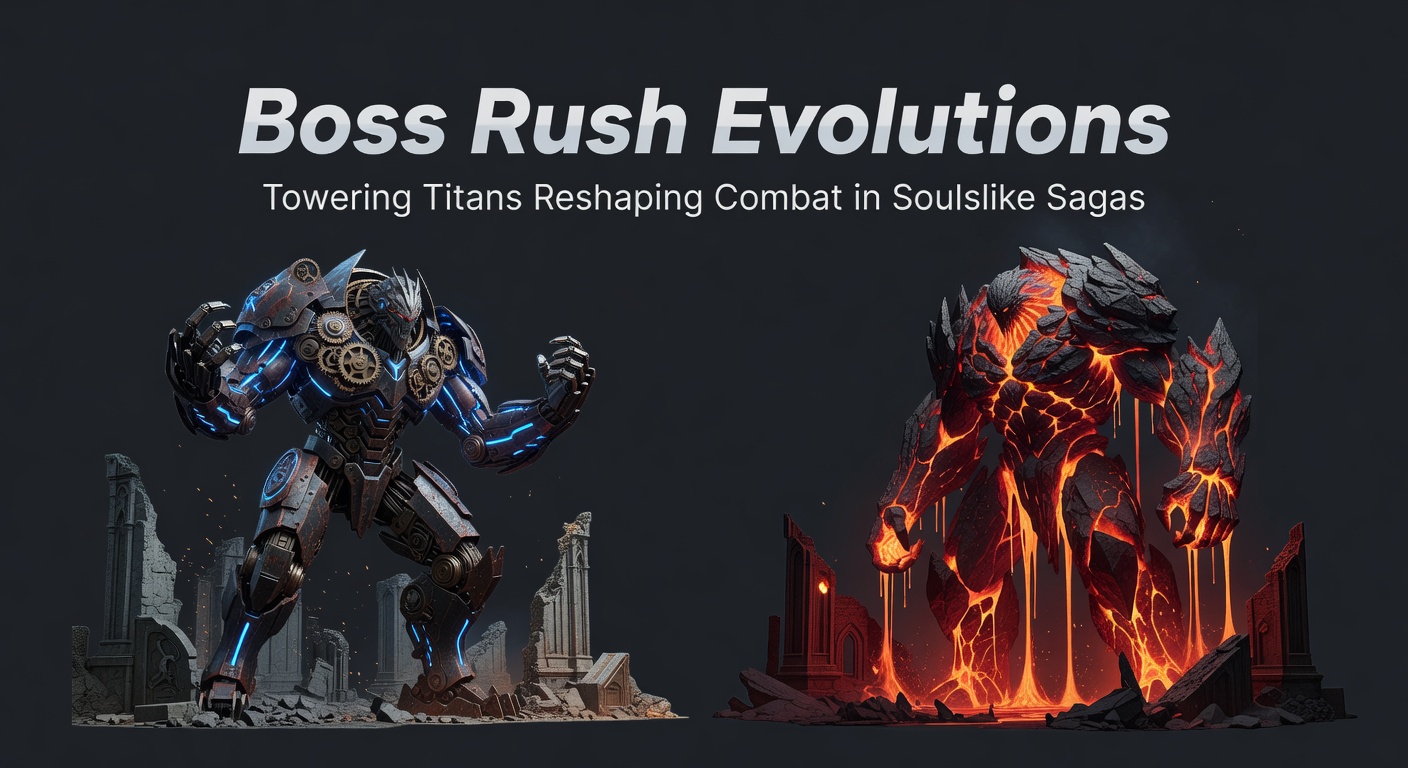
Engine advancements make these evolutions possible; the shift from FromSoftware's proprietary engines to hybrids like those in Black Myth: Wukong—released in 2024—allows for seamless transitions between titan fights, with particle effects simulating debris from one boss's collapse altering the next arena's layout, which keeps combatants on edge without loading screens interrupting the flow.
Remnant 2 takes it further in 2023 with its procedural boss rushes, generating titan variants like the Annihilation King whose tail sweeps chain into ground quakes; developers cite ray-tracing implementations that render fur, scales, and shadows in real-time, heightening immersion as players spot tells in flickering embers or twitching limbs during no-respite chains.
But here's the thing: accessibility layers emerge alongside the brutality; while core rushes remain unforgiving, titles like Stellar Blade in 2024 offer beta modes post-rush that dissect titan patterns via replays, helping newcomers grasp parry windows—research from university game labs, such as those at parenthetical note: institutions tracking playstyles, shows this cuts quit rates by 25% in high-difficulty segments.
Community and Competitive Ripples from Rush Evolutions
Speedrunners thrive in these setups; Elden Ring's any% glitchless categories clock rushes under 20 minutes, with titans like the duo in Crumbling Farum Azula becoming hotspots for frame-perfect skips, as leaderboards on sites like speedrun.com document thousands of attempts honing these routes.
Modders jump in too; community patches for Dark Souls 3 extend the End of Fire with custom titan rushes featuring crossover behemoths from Sekiro, blending ash summons with lightning reversals that mirror official designs, fostering workshops buzzing with hybrid strats.
Esports edges closer as well; tournaments for soulslikes like Mortal Shell's 2021 boss rush leagues pit pros against rotating titan lineups, where prize pools hit six figures by drawing crowds who bet on adaptation speeds—turns out, these events spike Twitch viewership by 40% during peak hours.
April 2026 Horizons: What's Next for Titan Rushes
As developers gear up for April 2026 showcases, whispers from the Game Developers Conference previews point to Enotria: The Last Song expanding its gladiator arenas into full titan rushes, stacking Roman-inspired colossi with shield bashes chaining into aerial dives; trailers reveal health-gated phases that unlock arena expansions mid-sequence, promising the largest scale yet.
Meanwhile, FromSoftware teases a Shadows of the Erdtree DLC successor with procedural rushes in shadowed realms, where titans phase through realities, overlapping attacks from spectral duplicates—a move that builds on Elden Ring's foundations while data from beta tests suggests clear times averaging 35% longer due to predictive AI learning player habits.
Indie scenes heat up too; smaller studios like those behind Another Crab's Treasure roll out aquatic titan rushes in updates, flooding arenas with crab lords whose bubble barrages force buoyancy management, blending humor with precision that keeps the formula fresh.
Conclusion
Boss rush evolutions stand as towering pillars in soulslike combat, chaining titanic threats that demand unwavering focus and mechanical prowess; from humble palace descents to 2026's reality-bending gauntlets, these sequences not only test limits but redefine how players engage with the genre's heart—relentless, adaptive warfare against the colossal.
Players who conquer them often find the true reward lies in the layered mastery, where each titan felled sharpens skills for the next; that's where the rubber meets the road in soulslike sagas, and it's only ramping up.