Buyer Guides and Score Variations Across Multi-Platform Esports Environments
Klara Long · Jul 12, 2026
Buyer Guides and Score Variations Across Multi-Platform Esports Environments
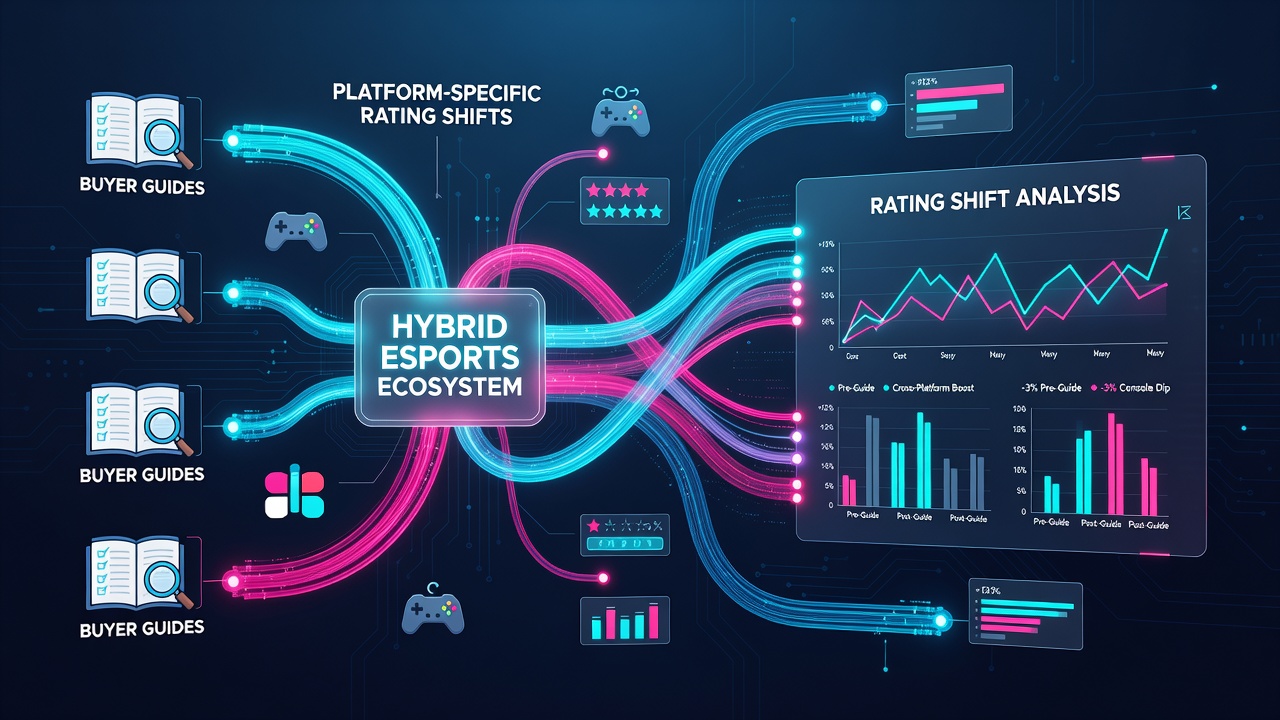
Hybrid esports ecosystems blend mobile, console, and PC platforms where competitive titles operate simultaneously across devices, and buyer guides compile purchase recommendations based on aggregated performance data, user feedback, and platform availability. These guides often draw from review aggregates while rating systems on individual platforms reflect device-specific factors such as input latency, matchmaking speed, and update cycles.
Platform Differences Shape Rating Patterns
Rating shifts occur when scores on one platform diverge from those on another due to hardware constraints or software optimizations, and data collected in July 2026 shows mobile versions of hybrid titles frequently receive lower marks for control precision while console editions score higher on stability metrics. Researchers at institutions including the University of Southern California have documented how these variations influence buyer guide content because guides prioritize titles with consistent cross-device performance.
Platform-specific adjustments appear when developers release patches that address mobile touch controls separately from console controller mappings, and such updates can elevate scores on one ecosystem while leaving others unchanged. Observers note that buyer guides incorporate these shifts by updating sections on recommended devices and expected experience levels, which helps consumers select platforms aligned with competitive goals.
How Guides Incorporate Rating Data
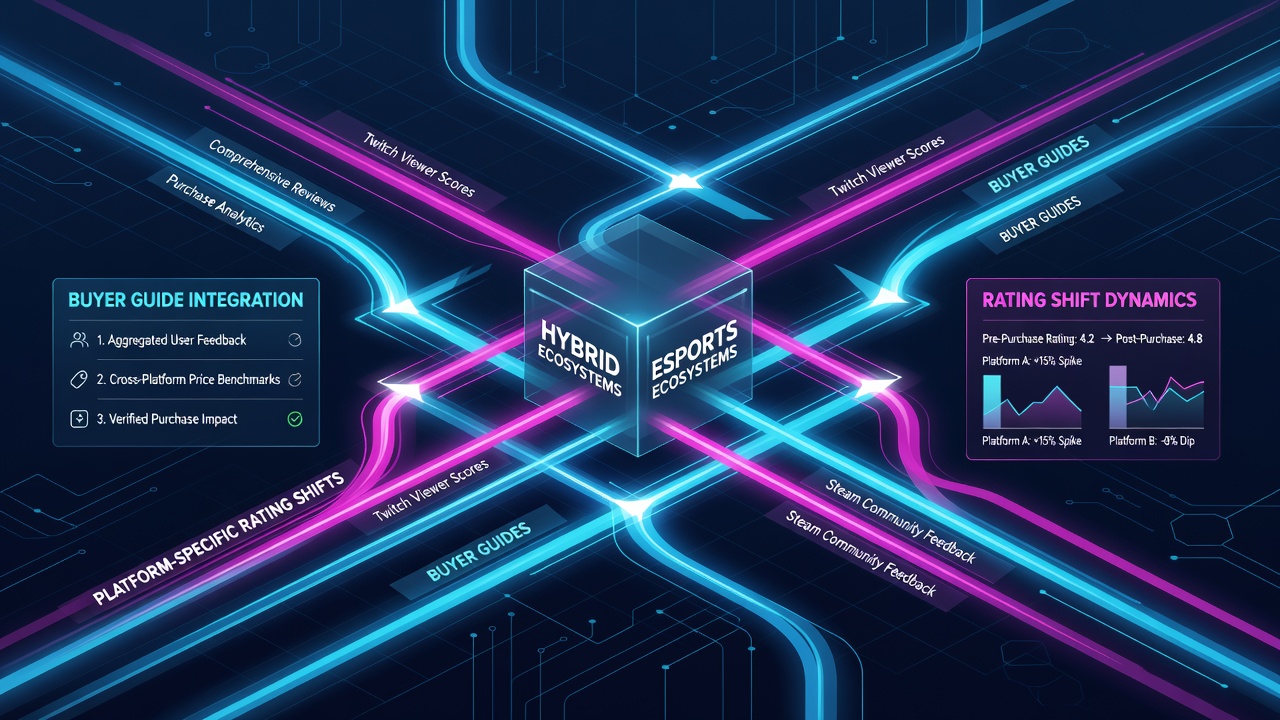
Buyer guides aggregate information from multiple sources to rank titles and hardware bundles, and they frequently reference platform score differences when advising on esports participation. For instance guides may highlight a game's strong PC leaderboard presence alongside weaker mobile rankings, prompting readers to consider device upgrades or alternative titles. This integration creates feedback loops where popular guides amplify certain platform preferences, which in turn affects subsequent rating submissions from new users.
Regional Data Influences Investment Decisions
Figures from the Entertainment Software Association indicate that North American developers monitor rating divergences when planning ports, while Australian trade reports reveal similar patterns in Oceania markets where mobile esports titles with console score gaps receive targeted marketing. These patterns guide resource allocation toward platforms showing upward rating trends after major patches.
External factors such as regional server quality and regulatory content classifications also contribute to score differences, and buyer guides account for these elements by including disclaimers on expected performance in various territories. Studies from European research consortia confirm that guides referencing such variables achieve higher engagement rates among competitive players seeking reliable platform recommendations.
Examples of Intersecting Trends
One documented case involved a hybrid battle arena title that launched with mobile ratings lagging behind console versions by several points, and buyer guides responded by emphasizing controller support add-ons for mobile users. After subsequent optimization updates the mobile scores rose, which prompted guide revisions that repositioned the title as a viable cross-platform option. This sequence demonstrates how rating recovery on secondary platforms can alter guide priorities within months.
Another pattern emerges when niche genres such as real-time strategy hybrids show pronounced score gaps between PC and console editions, and guides then direct attention toward PC-centric hardware bundles. Data collected across 2025 and into 2026 indicates these recommendations correlate with increased platform-specific player migration, which further widens or narrows rating spreads depending on the direction of movement.
Development Priorities Respond to Combined Signals
Teams track both buyer guide content and platform ratings when prioritizing feature development, and they allocate resources to address the lowest-scoring aspects first. Mobile esports titles often receive touch-interface refinements after guides flag control complaints, while console versions see network stability upgrades following similar signals. These adjustments create measurable rating convergence over successive update cycles.
Industry organizations including the Canadian Interactive Digital Alliance have published summaries noting that titles achieving rating parity across platforms experience steadier player retention in hybrid environments. Guides incorporate this parity information when constructing long-term purchase roadmaps for esports enthusiasts.
Conclusion
The relationship between buyer guides and platform-specific rating shifts continues to evolve as hybrid esports ecosystems expand, with each element informing the other through shared data streams. Developers, platform holders, and content creators monitor these intersections to refine both product roadmaps and recommendation frameworks, and ongoing analysis of July 2026 metrics suggests the pattern will persist as more titles adopt multi-device competitive formats.