Community Event Data Directing Publisher Expansions into Niche Genres on Diverse Platforms
Carlo Walter · Jun 28, 2026
Community Event Data Directing Publisher Expansions into Niche Genres on Diverse Platforms
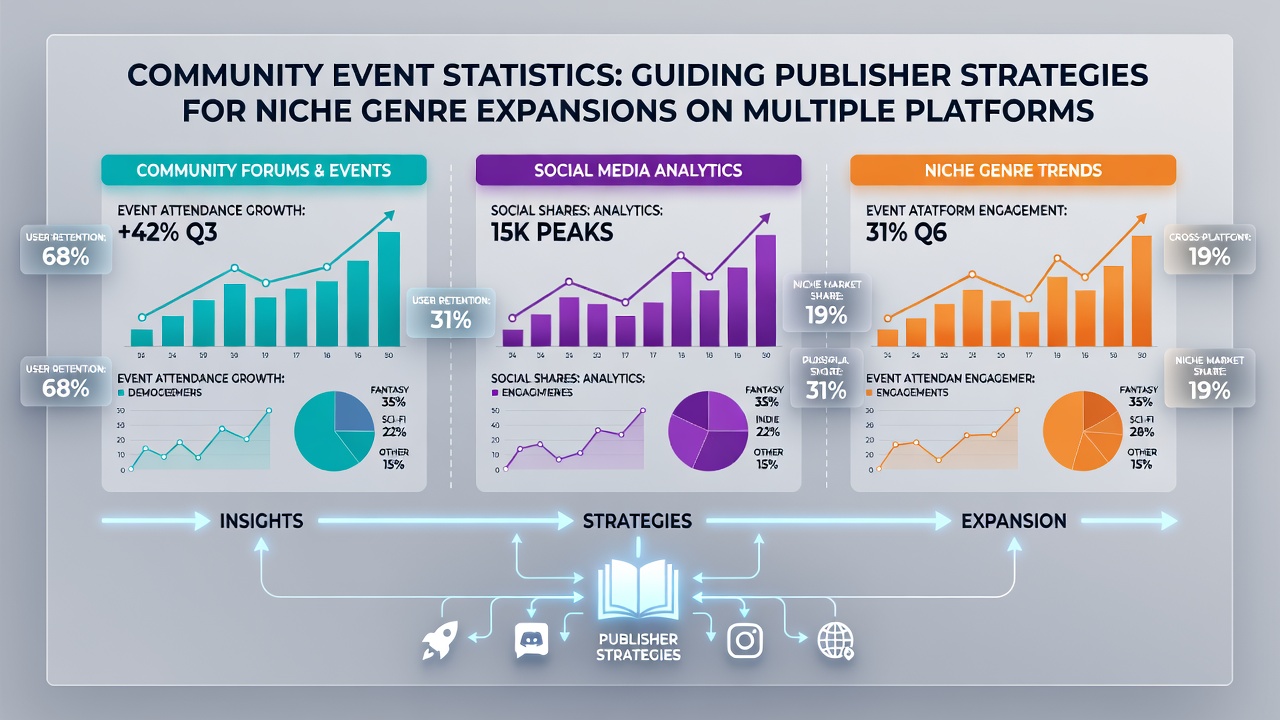
Community event statistics have emerged as key indicators for publishers evaluating expansions into niche genres across multiple platforms, and data collected from gatherings such as local meetups, online forums, and regional showcases provide measurable patterns that inform investment decisions. Researchers tracking participation rates note that events focused on specific genres like tactical roguelikes or simulation management titles often reveal audience sizes and engagement levels that exceed initial projections in certain demographics, which leads publishers to adjust release schedules and platform priorities accordingly.
Tracking Participation Metrics at Gatherings
Event organizers compile figures on attendance, session durations, and repeat visits, while platforms hosting hybrid events contribute additional layers of data including concurrent viewer counts and geographic distributions. These numbers allow analysts to identify clusters of interest in underrepresented genres, and studies from mid-2026 show that simulation strategy events in North America and Europe recorded average attendance increases of 18 percent compared to 2025 baselines. Publishers review such aggregates to determine which genres warrant porting efforts to additional systems, including handheld devices and cloud-based services.
One analysis of event logs revealed that niche puzzle adventure titles drew sustained interest from participants aged 25 to 40, prompting several studios to accelerate development for console versions following strong mobile showings. Data sets from these events frequently include feedback on preferred features, and when cross-referenced with platform-specific performance, they highlight opportunities for genre expansions that align with hardware capabilities in different regions.
Influences on Multi-Platform Release Planning
Publishers examine conversion rates from event interest to actual purchases or pre-orders, and these ratios guide decisions on resource allocation for ports. For instance, when community gatherings in Asia demonstrated high engagement with turn-based tactics games, companies responded by prioritizing releases on additional platforms beyond the initial PC launch. This approach relies on statistical correlations between event metrics and post-event sales data, which research indicates can predict platform adoption with reasonable accuracy in targeted segments.
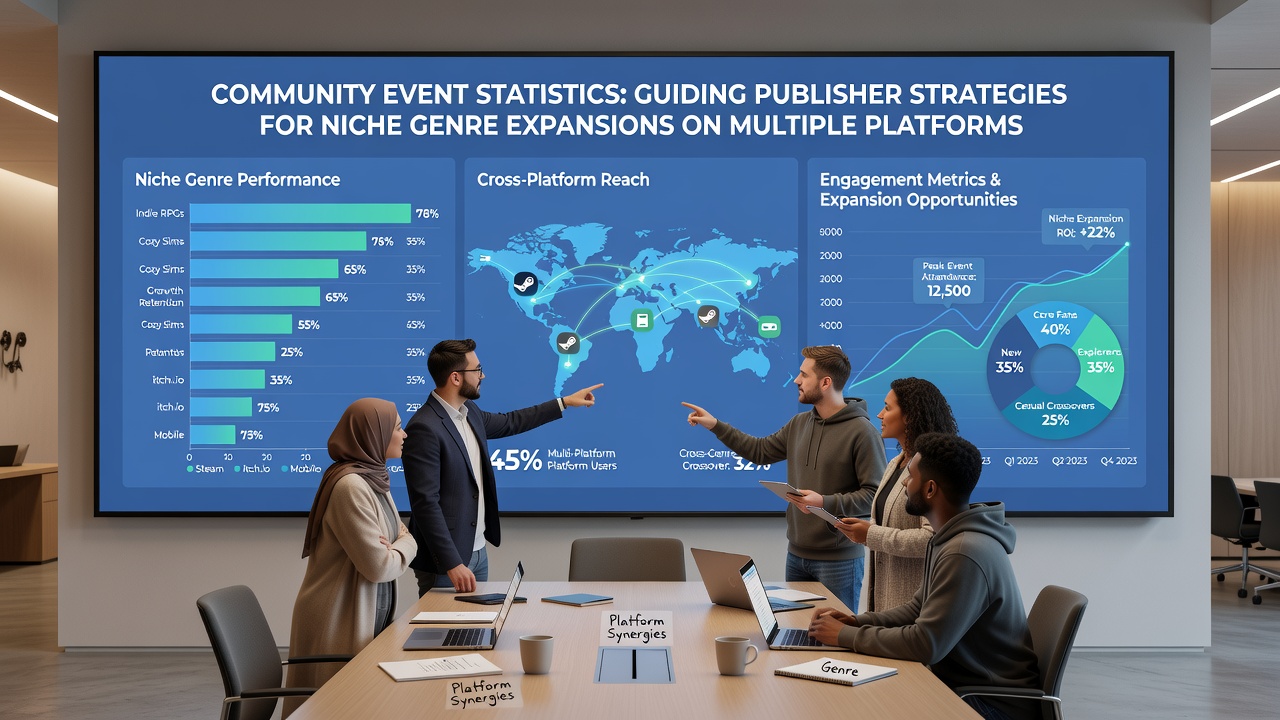
What's interesting is how regional variations appear in the data, with events in Australia showing stronger preferences for co-op focused niche titles compared to solo experiences favored in other markets. Such distinctions steer publishers toward customized expansion strategies that account for platform ecosystems prevalent in each area, and figures from June 2026 events underscored these trends through detailed session tracking.
Case Examples from Recent Expansions
Take the situation where a publisher noted elevated attendance at events centered on narrative-driven management simulations, which led to investments in console and mobile adaptations within the same calendar year. Observers documented how initial community statistics correlated with subsequent subscriber growth on new platforms, and similar patterns emerged in tactical card game developments where event metrics highlighted underserved audiences. Industry reports link these outcomes to systematic reviews of participation data rather than isolated assumptions.
According to information released by the Entertainment Software Association, community-driven events contributed measurable input into genre diversification efforts during 2025 and 2026. https://www.theesa.com/ Those figures align with observations from the European Games Developer Federation, which tracked how event statistics influenced porting priorities across member companies. https://www.egdf.eu/
Integration wth Broader Industry Data
Event statistics integrate with sales records and platform analytics to form comprehensive pictures of genre viability, and this combined approach helps identify when a niche title has sufficient momentum for expansion. Analysts process variables such as session completion rates and social sharing volumes from events, then apply them to forecast performance on additional distribution channels. Patterns observed in 2026 indicate that publishers who incorporated these data points achieved more consistent results in multi-platform rollouts for genres like atmospheric exploration and resource management simulations.
Conclusion
Community event statistics continue to serve as practical tools for publishers navigating expansions into niche genres across platforms, with data sets from 2026 providing updated benchmarks for decision-making processes. These metrics offer concrete references that connect audience behaviors at gatherings to strategic planning on diverse systems, supporting targeted growth without reliance on generalized assumptions.