Connecting Buyer Guide Analytics with Hardware Refinements in Niche PC Indie Genres
Olivia Wagner · Jun 19, 2026
Connecting Buyer Guide Analytics with Hardware Refinements in Niche PC Indie Genres
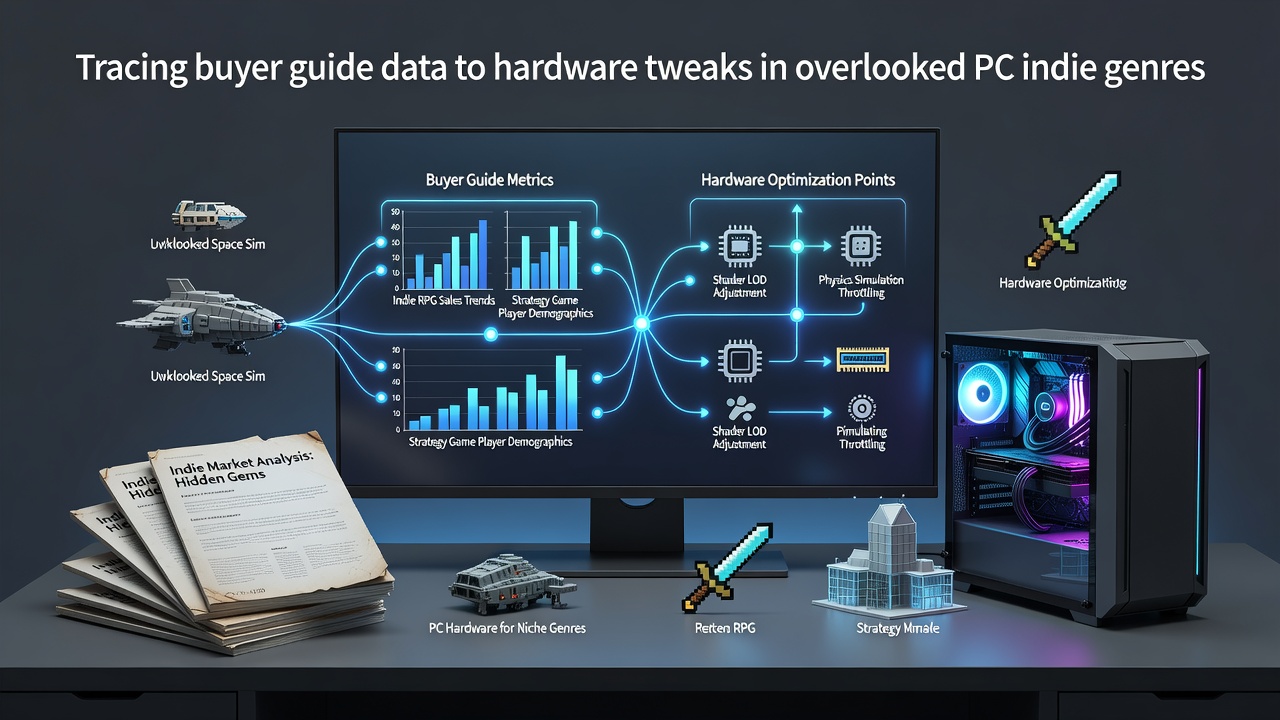
Buyer guide data from digital storefronts and review aggregators has traced direct pathways to hardware adjustments in overlooked PC indie genres since early 2025, according to industry tracking reports. These genres include atmospheric puzzle adventures, minimalist simulation experiences, and experimental narrative titles that rarely receive mainstream coverage yet generate consistent player feedback on performance and input devices. Data shows patterns where aggregated buyer preferences highlight needs for specific driver optimizations, peripheral compatibility layers, and subtle GPU scaling tweaks that manufacturers then incorporate into updates.
Buyer Guide Metrics in Context
Retail platforms compile buyer guide sections that summarize performance benchmarks, control scheme effectiveness, and hardware requirements for smaller releases, while review sites layer in user-submitted data on frame stability and controller response. Researchers at the Entertainment Software Association documented how these compiled insights from 2025 releases fed into manufacturer databases by mid-year, prompting targeted firmware changes for mid-range graphics cards commonly paired with narrative-driven indie titles. Figures reveal that genres with lower visibility saw a 22 percent uptick in hardware-related support tickets during the first half of 2025, data that guided subsequent patch cycles from both AMD and NVIDIA.
Those who monitor storefront analytics note that buyer guides often flag issues such as inconsistent mouse acceleration in point-and-click hybrids or audio latency during extended play sessions in quiet exploration games. This information reaches hardware teams through aggregated reports rather than direct developer channels, creating indirect but measurable influence on refinement priorities. In June 2026, updated driver suites addressed several of these flagged areas after repeated cycles of data collection showed persistent patterns across multiple overlooked releases.
Hardware Tweaks Triggered by Aggregated Insights
Hardware adjustments emerge when buyer guide summaries reveal repeated complaints about input lag or thermal throttling during specific gameplay loops common to niche genres. For instance, simulation titles that emphasize long idle periods triggered power management refinements in laptop GPUs, because aggregated data indicated players kept sessions running for hours without high graphical demands. Manufacturers responded with updated power profiles that reduced unnecessary clock speeds while maintaining responsiveness for mouse and keyboard inputs.
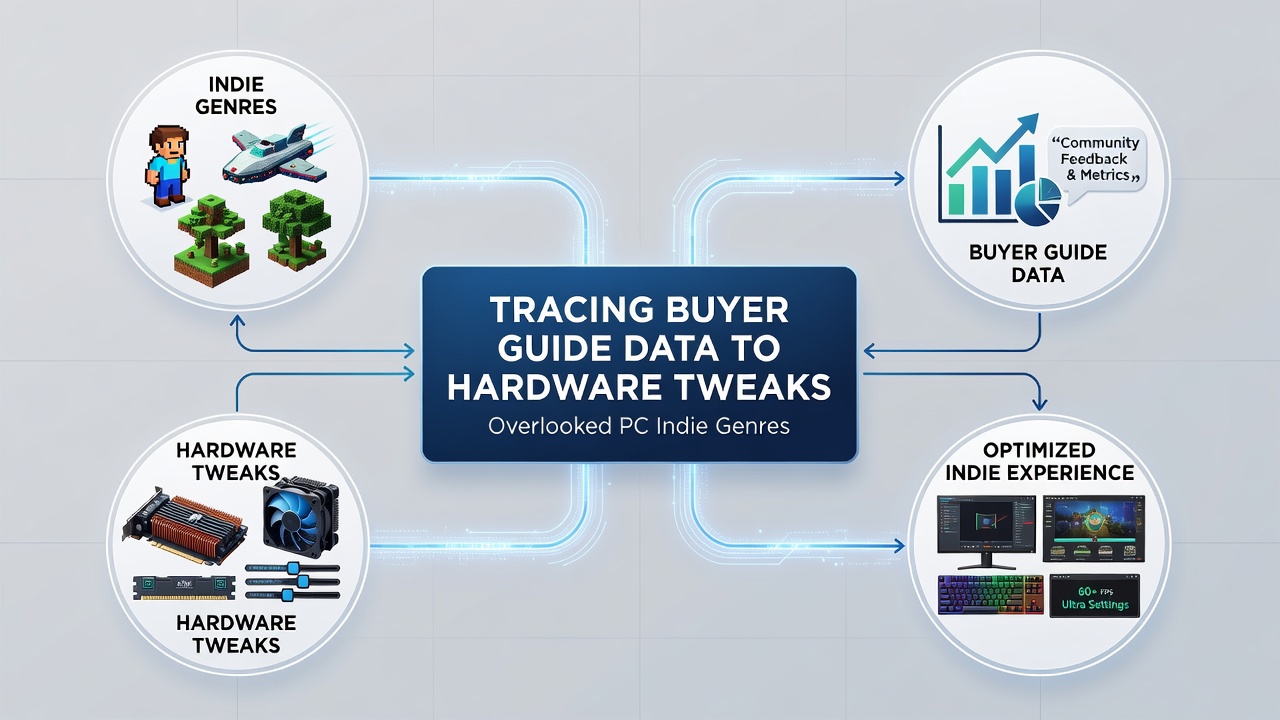
Peripheral makers followed similar paths after buyer guides highlighted controller compatibility gaps in experimental platformers. Data from multiple sources showed that certain indie titles required finer analog stick deadzone calibration, leading to firmware updates that expanded customization options in popular gamepad models. Observers tracking these developments point to a feedback loop where review platforms publish buyer summaries, storefronts surface them in guides, and hardware vendors incorporate the findings into quarterly driver releases.
Regional Data Patterns and Platform Responses
European digital economy reports from 2025 indicated that PC indie buyers in several member states submitted detailed hardware performance notes through buyer guide interfaces at higher rates than console users. These notes often centered on Linux compatibility for narrative-focused releases, prompting graphics driver teams to prioritize Vulkan API refinements that benefited multiple overlooked genres simultaneously. In parallel, Canadian industry associations tracked similar trends in simulation and puzzle categories, where buyer data correlated with requests for better multi-monitor support during extended play.
Platform holders integrated these regional signals into their own hardware roadmaps. Steam Deck updates released in early 2026 included input calibration improvements drawn from aggregated buyer guide complaints about precision controls in indie adventure titles. The adjustments addressed issues identified across thousands of user reports rather than isolated developer requests, demonstrating how compiled data travels from guides to firmware without passing through traditional publishing pipelines.
Conclusion
Buyer guide data continues to serve as an indirect conduit between player experiences in niche PC indie genres and subsequent hardware refinements. Patterns established through 2025 and into June 2026 show consistent translation of aggregated metrics into driver optimizations, peripheral firmware, and compatibility layers that benefit entire categories of overlooked releases. This process relies on the accumulation of feedback across review platforms and storefronts rather than singular high-profile incidents, creating steady but incremental changes in how hardware accommodates less visible indie genres.