Digital Game Review Platforms: Evolving Standards in 2026
Rafael Griffin · Jun 14, 2026
Digital Game Review Platforms: Evolving Standards in 2026
Digital game reviews operate through interconnected systems that combine professional critiques, user-generated feedback, and aggregated scoring mechanisms across multiple platforms, and these systems continue to expand their reach as of June 2026. Platforms such as Steam, the Epic Games Store, and specialized sites collect millions of ratings annually while developers monitor patterns that influence everything from patch priorities to marketing budgets. Observers note that the volume of reviews has grown steadily because digital distribution allows instant access to feedback loops that were impossible in physical retail eras.
Platform Diversity and Review Collection Methods
Review aggregation services pull data from console storefronts, mobile app stores, and PC digital hubs, creating composite scores that reflect both expert opinions and broad player sentiment, whereas individual platforms maintain separate systems tailored to their audiences. Steam emphasizes written user reviews with helpfulness votes, while console services focus on star ratings supplemented by short text entries. Data from industry reports indicates that mobile platforms generate the highest quantity of reviews due to larger user bases, although depth varies considerably by genre and region.
Those who track these ecosystems point out that algorithmic promotion plays a central role because highly rated titles receive greater visibility in recommendation engines, and this visibility in turn drives additional reviews. Researchers at academic institutions have documented how review velocity spikes during launch windows and then stabilizes as players complete campaigns or shift to new content updates.
Data Patterns Emerging from Aggregated Scores
Analysis of review trends reveals consistent differences between platforms, with certain genres performing better on consoles while others thrive in mobile environments, and these variations prompt developers to adjust porting strategies accordingly. Figures from the Entertainment Software Association show that action and adventure titles often maintain higher average scores across PC and console storefronts compared with strategy games that sometimes see score divergence based on control scheme adaptations. Such patterns guide investment decisions without requiring subjective interpretation of quality itself.
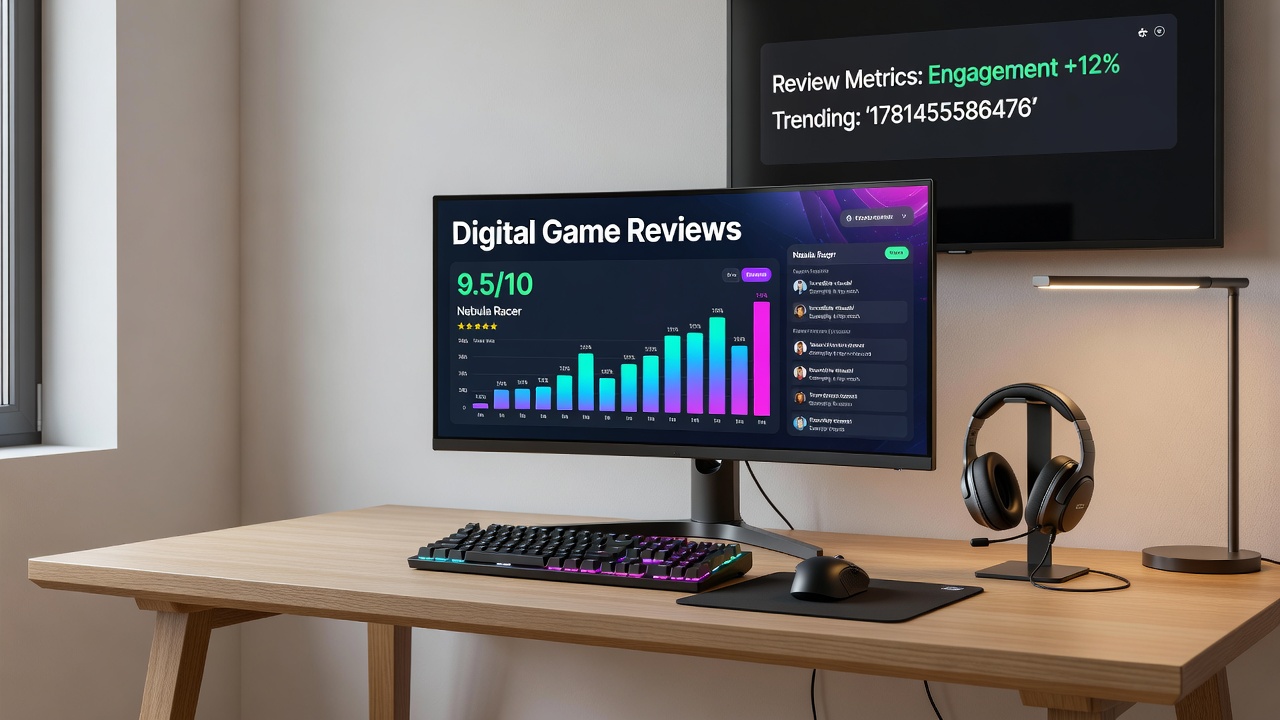
What's interesting is the way regional score gaps appear in mobile esports titles, where markets in Asia often produce different rating distributions than those recorded in North America or Europe. These gaps steer targeted investments toward overlooked subgenres because publishers examine the underlying causes, such as localization quality or server performance, before committing resources to console ports. Studies conducted by university research groups confirm that review volume correlates with player retention metrics, yet causation remains complex because external factors like patches and community events also contribute.
Influence on Development and Distribution Decisions
Developers routinely incorporate review data into post-launch planning because negative feedback clusters around specific mechanics or balance issues that can be addressed through updates, while positive signals help prioritize feature expansions. Industry organizations report that scouting networks within esports organizations now monitor preview coverage to identify promising indie titles for potential console ports, and this practice has become more systematic since 2024. The process involves cross-referencing aggregated preview scores with early access performance before committing to full development cycles.
But here's the thing: loyalty patterns in subscription services show measurable connections to review sentiment because players who encounter consistent quality across a catalog tend to maintain active subscriptions longer than those exposed to widely criticized releases. Aggregated data from multiple regions demonstrates these trends without implying universal rules, since individual preferences still determine personal outcomes. Companies adjust recruitment strategies in emerging markets based on rating influences observed in similar territories, allowing them to refine outreach without relying on anecdotal evidence.
Conclusion
Digital game review systems continue to mature through the integration of broader data sources and refined collection methods that capture both quantitative scores and qualitative comments. As platforms evolve in June 2026, the interplay between review aggregates, player behavior metrics, and distribution algorithms shapes how titles reach audiences across devices. Observers tracking these developments recognize that the underlying data infrastructure provides developers and publishers with tools to respond to real-time feedback at scale, supporting ongoing refinement of games after initial release.