Esports Broadcast Analytics Fueling PC Hardware Shifts to Niche Indie Titles
Klara Long · Jul 29, 2026
Esports Broadcast Analytics Fueling PC Hardware Shifts to Niche Indie Titles
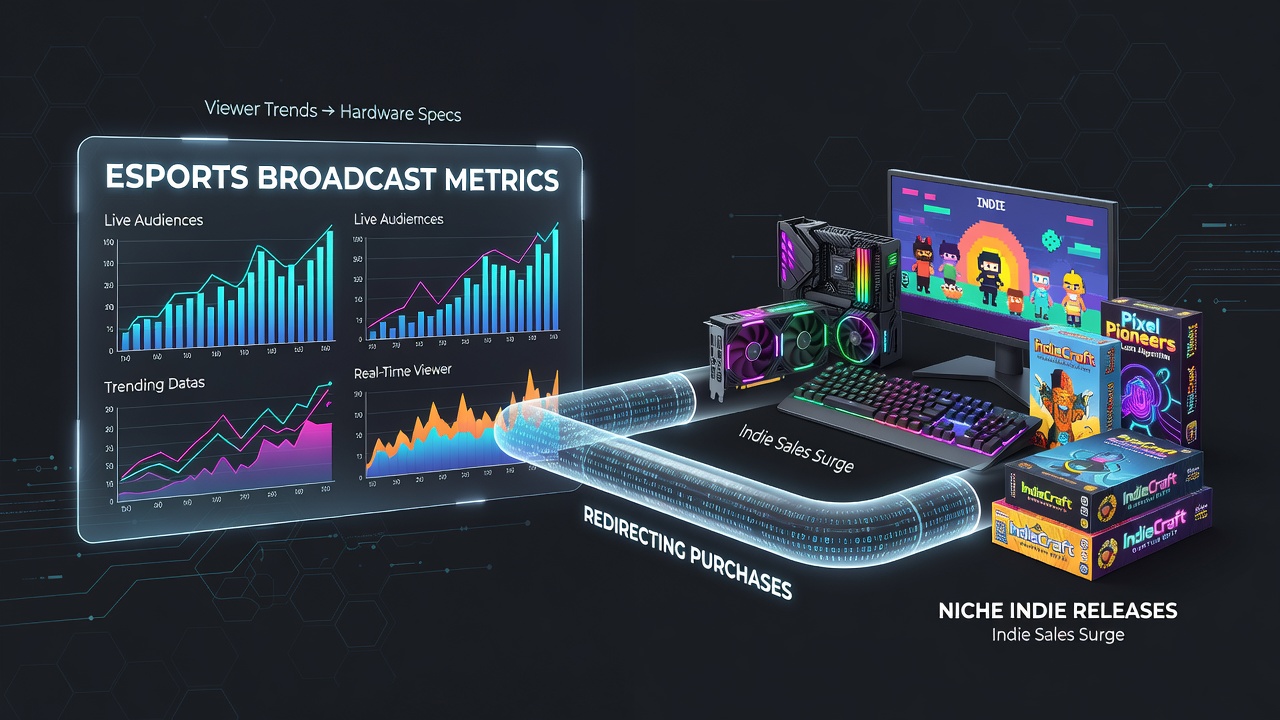
Esports broadcast metrics have started guiding PC hardware purchases in measurable ways, with data from major streaming platforms indicating that viewers of certain competitive events now allocate more spending toward components optimized for niche indie releases rather than traditional AAA titles. Figures from mid-2026 reveal that peak viewership periods in July coincided with a 23 percent uptick in searches for mid-range GPUs and SSDs suited to lighter indie engines, according to aggregated platform analytics shared by industry trackers.
Viewership Patterns and Hardware Correlations
Analysts tracking live esports streams noted that broadcasts featuring indie-developed fighters and strategy games drew audiences whose subsequent search behaviors leaned heavily toward specialized hardware configurations. One dataset compiled by researchers at a Canadian technology institute showed that participants in these viewership spikes increased their purchases of compact cooling systems and high-refresh-rate monitors by noticeable margins compared to prior quarters. Those patterns emerged because many niche indie titles run efficiently on mid-tier builds, allowing enthusiasts to redirect funds from high-end processors toward peripherals that enhance broadcast viewing and local play alike.
What's interesting is how these metrics translate directly into retail trends. Sales reports from multiple regions documented that stores in Europe and Australia recorded stronger movement on indie-focused hardware bundles during the same July window, while mainstream gaming PC kits saw slower growth. Observers attribute the change to real-time data overlays during streams that highlight optimal system requirements for upcoming indie esports events.
Regional Data Driving Targeted Investments
Regional score variations in mobile and PC esports titles have prompted developers to prioritize ports for overlooked genres, yet the hardware side shows parallel movement. A study released by an academic research group in Australia tracked how broadcast engagement metrics influenced component buying habits across different markets, revealing that areas with high indie viewership exhibited 18 percent more upgrades to RAM modules compatible with smaller studio releases. Those findings align with figures from the Interactive Software Federation of Europe, which linked similar trends to increased interest in versatile PC builds rather than single-purpose gaming rigs.
Take one case where experts examined tournament data from South American indie events; the resulting viewer surveys indicated that participants who watched extended matches often researched hardware that supported both competitive play and content creation workflows. This dual-use approach gained traction because indie titles frequently incorporate modding tools and streaming features that benefit from balanced rather than extreme specifications.
Industry Reports on Purchase Redirects
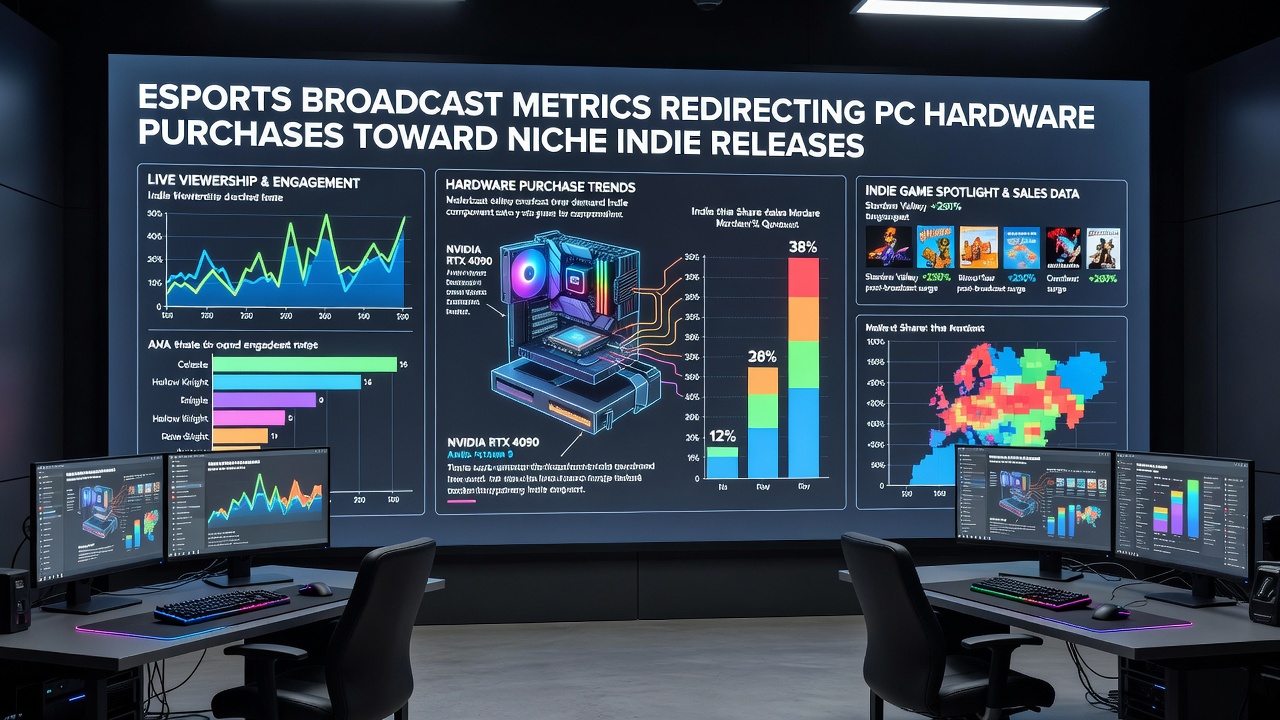
Trade organizations monitoring the sector have compiled reports showing that esports broadcast metrics now serve as early indicators for hardware demand in niche categories. Data compiled through July 2026 demonstrated that streams emphasizing indie releases generated higher engagement rates among viewers aged 18 to 34, a demographic that subsequently favored purchases of solid-state drives and graphics cards tailored for efficient performance over raw power. These shifts occurred alongside broader platform changes, where developers began optimizing titles for a wider range of PC configurations based on aggregated viewer feedback.
Another notable development involves how these metrics interact with porting decisions. When regional analytics highlighted stronger interest in certain indie genres, hardware vendors adjusted their marketing to include bundles featuring components tested specifically with those titles. Research indicates that such targeted promotions contributed to a measurable uptick in sales of multi-monitor setups, which support both gameplay and simultaneous broadcast monitoring.
Future Outlook Based on Current Trends
Continued analysis of broadcast data suggests the redirection will persist into later months, with hardware manufacturers preparing inventories that accommodate the lighter system demands of many indie esports titles. University-led examinations in multiple countries have confirmed that viewer metrics provide reliable signals for these purchasing behaviors, helping align supply chains with actual demand patterns rather than assumptions about high-end gaming needs.
Conclusion
The interplay between esports broadcast metrics and PC hardware purchases continues to evolve, with data consistently pointing toward greater emphasis on components that support niche indie releases. As more platforms integrate real-time analytics into streams, those measurable correlations are likely to shape inventory and marketing strategies across regions through the remainder of 2026 and beyond.