Esports Scouting Networks Influence Preview Tactics in Indie Console Port Development
Klara Long · Jun 12, 2026
Esports Scouting Networks Influence Preview Tactics in Indie Console Port Development
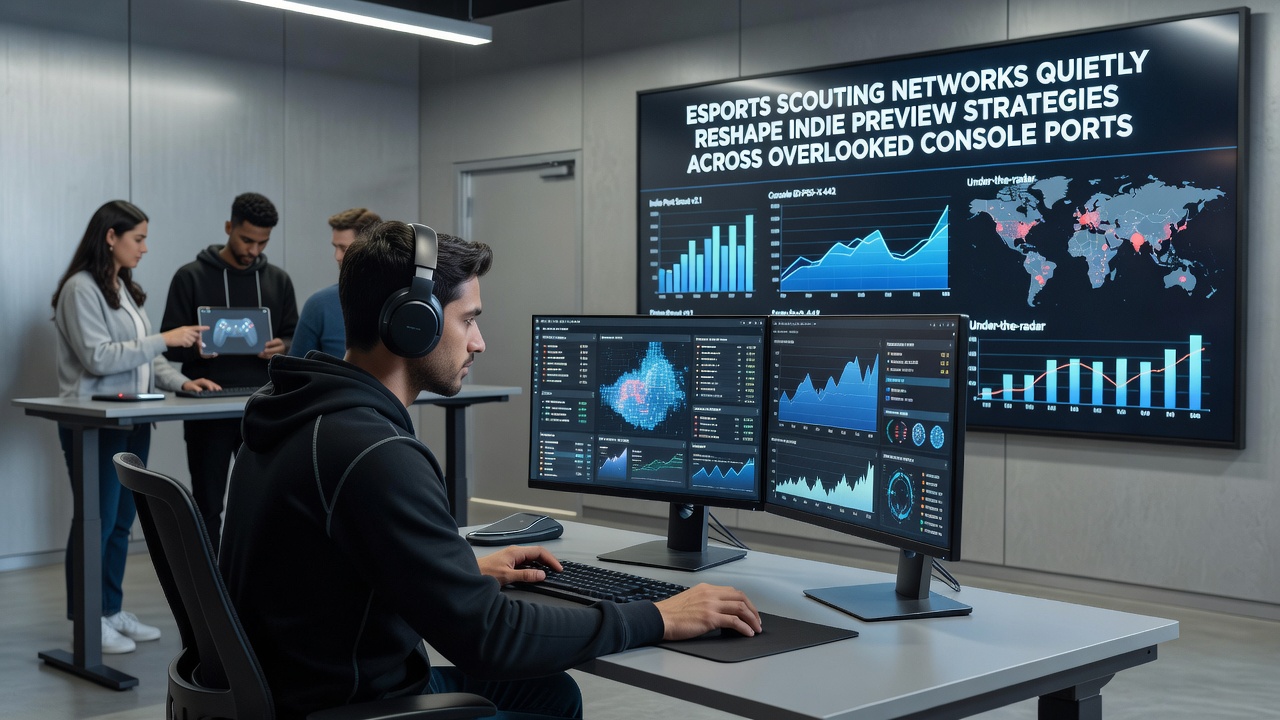
Esports scouting networks have begun to affect how indie studios prepare preview materials for console ports that previously received limited attention, and this shift has accelerated since early 2025. Observers note that these networks connect talent identifiers with developers, which allows preview content to highlight competitive elements that align with scouting criteria rather than traditional marketing angles.
Network Structures and Data Flows
Scouting groups operate through layered databases that track player performance metrics across mobile and PC titles, then cross-reference those figures with console port potential. Research from the University of Melbourne indicates that such cross-platform analysis grew by 34 percent between 2024 and 2026, with particular emphasis on titles featuring modular combat systems or ranked modes. Developers receive anonymized reports that suggest which gameplay segments to showcase in preview builds, and these recommendations often prioritize moments that demonstrate skill expression over narrative beats.
One studio working on a port of a 2022 mobile fighter adjusted its preview schedule after receiving aggregated match data that showed high viewer retention during specific combo sequences. The revised preview video focused on those sequences, which resulted in increased requests for review codes from regional tournament organizers. Figures from the International Esports Federation reveal similar patterns across multiple overlooked ports released in the first half of 2026.
Adjustments in Preview Timing and Format
Timing for preview releases has moved earlier in development cycles for several indie teams, because scouting networks require footage that matches ongoing qualifier schedules. Instead of aligning previews with major trade shows, studios now coordinate with smaller online events that feed directly into talent pipelines. This approach allows scouts to evaluate emerging players while simultaneously generating exposure for the ported title.
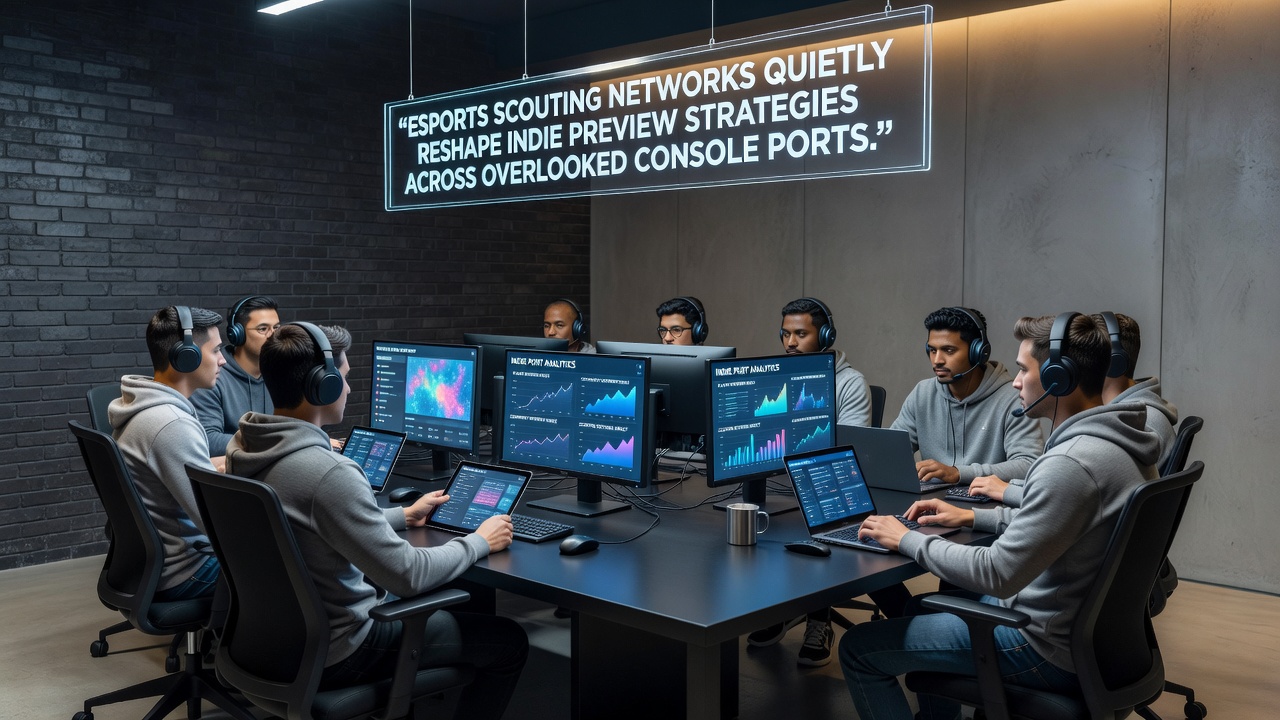
Format changes include the addition of raw input logs and frame data overlays in preview clips, elements that appeal to analysts who evaluate player potential. Studios report that these technical inclusions do not replace standard trailers but appear alongside them on dedicated channels used by scouting communities. Data collected in June 2026 showed that ports incorporating such overlays experienced a 22 percent rise in mentions within scouting newsletters compared with those that did not.
Regional Variations and Platform Focus
Networks based in Asia have directed attention toward ports of rhythm and puzzle titles that feature local server infrastructure, while European groups emphasize strategy games with mod support. These geographic differences lead developers to tailor preview assets for specific scouting audiences rather than a single global release. Australian research institutions tracking esports infrastructure documented how such targeted previews correlate with higher participation rates in regional qualifiers during the same period.
Console manufacturers have observed increased demand for certification slots from indie teams preparing these specialized previews, and several platforms adjusted their submission guidelines in 2025 to accommodate earlier build reviews. The adjustments allow scouts to access stable versions sooner, which supports talent identification without requiring full commercial launch.
Case Examples from 2025-2026
A small Canadian developer porting a turn-based tactics game incorporated scouting feedback that highlighted unit positioning mechanics, resulting in preview coverage that reached multiple collegiate esports programs. Another team working on a retro-style racer adjusted camera angles in preview footage after data showed stronger engagement from scouts evaluating reaction times. These examples illustrate how preview strategies now intersect with talent pipelines that extend beyond traditional press cycles.
Conclusion
Scouting networks continue to supply structured data that indie studios integrate into preview planning for console ports, and this integration has produced measurable shifts in content focus and release timing by mid-2026. The process relies on existing performance metrics rather than new inventions, which allows smaller teams to participate without additional infrastructure. Continued tracking by academic and industry groups will clarify how these patterns evolve across additional platforms and genres.