Feeling the Pulse: Haptic Tech's Surge in Shaping Game Immersion
Rafael Griffin · Apr 17, 2026
Feeling the Pulse: Haptic Tech's Surge in Shaping Game Immersion
Unpacking Haptic Technology in Gaming
Haptic technology delivers tactile sensations through vibrations, pressure, and texture simulations, turning controllers and wearables into extensions of virtual worlds; developers integrate these cues to mimic footsteps on gravel, weapon recoils, or even heartbeats during tense moments. What's interesting is how this tech, once limited to basic rumbles, now shapes immersion by syncing physical feedback with on-screen action, making players feel every explosion or raindrop. Data from Immersion Corporation, a pioneer in the field, reveals that advanced haptics boost player engagement by up to 30% in tested titles, as vibrations evolve into nuanced patterns that convey emotion and environment.
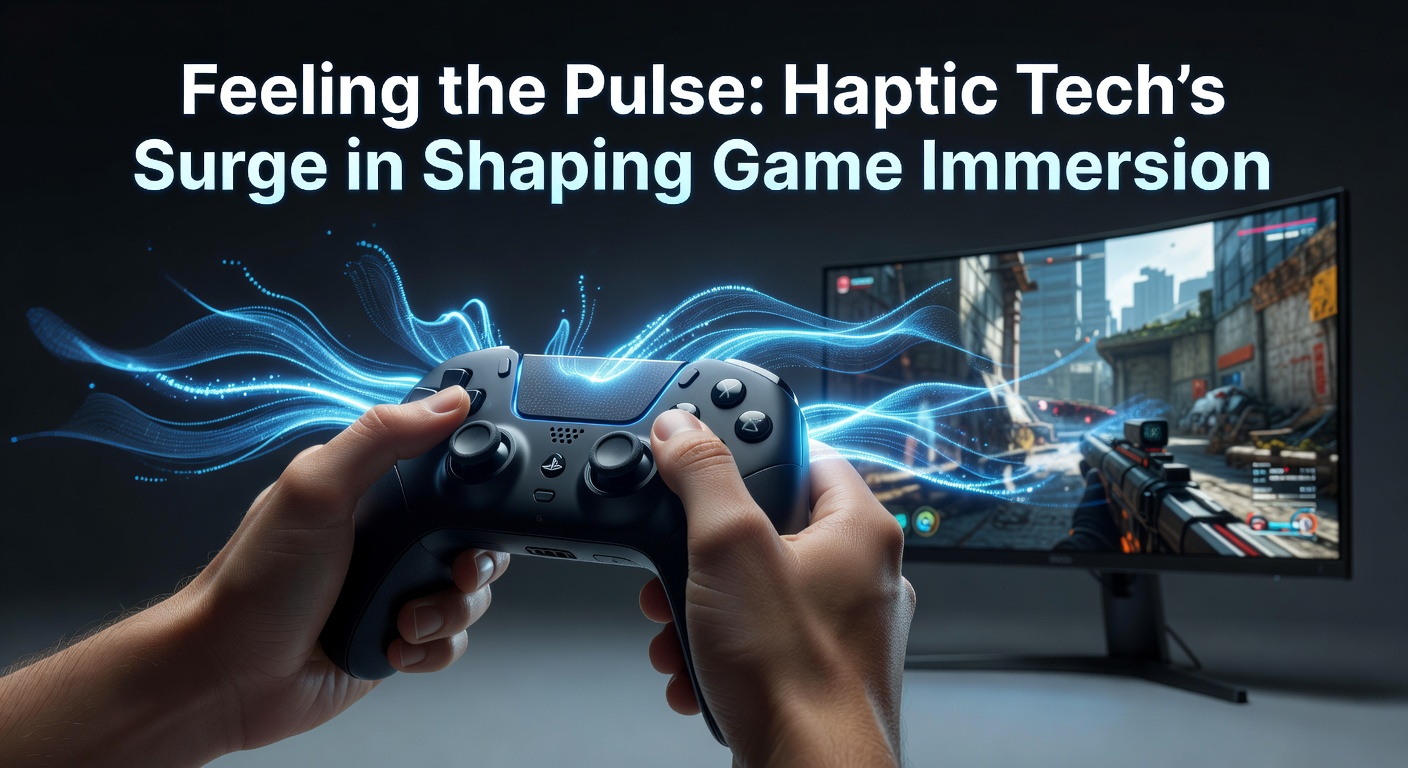
And while early adopters remember the Double Shock controller on PlayStation in 1997 introducing simple motor vibrations, today's systems push boundaries; adaptive triggers on Sony's DualSense, for instance, resist pulls to simulate drawing a bowstring, a feature that rolled out widely with the PS5 launch in 2020 and continues to influence design choices across platforms.
The Tech Behind the Touch: From Rumble to Full-Body Feedback
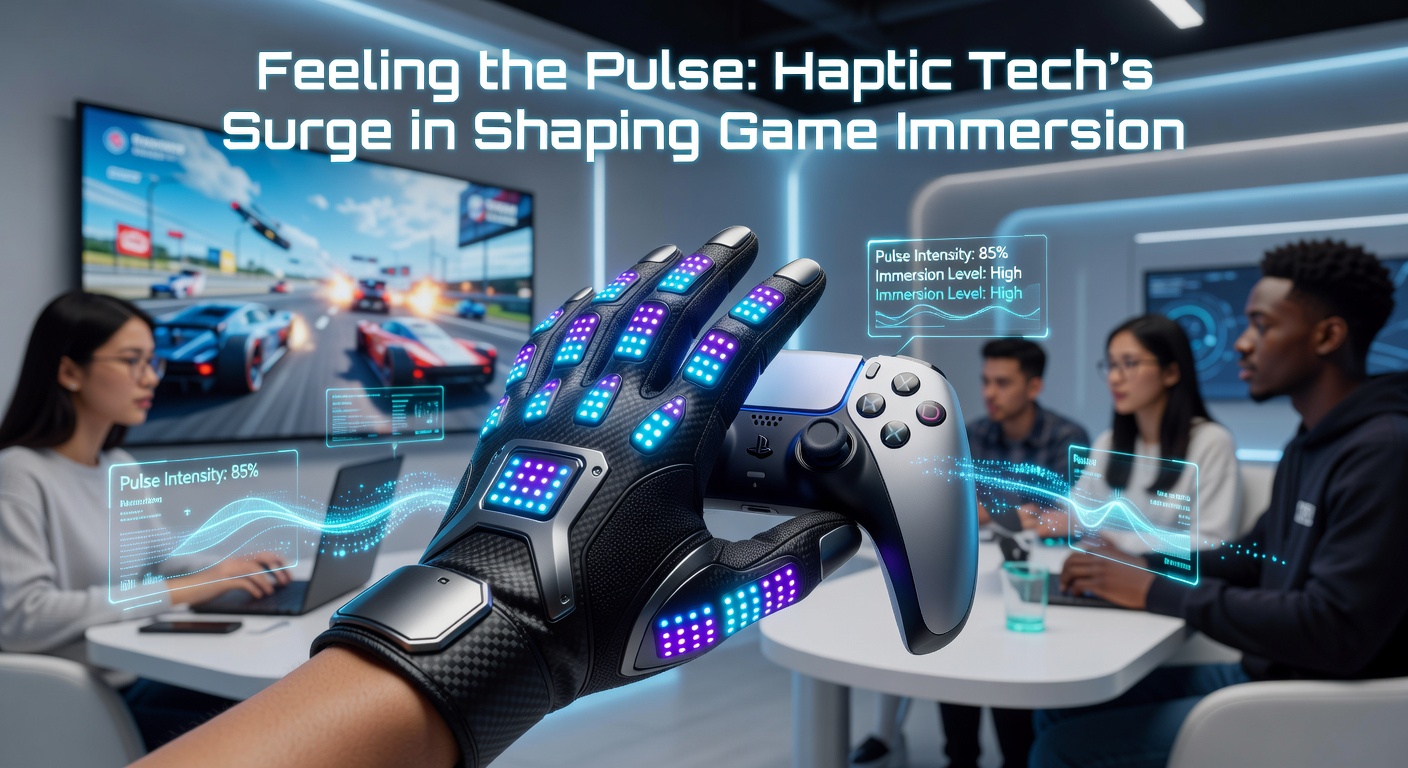
Core components include eccentric rotating mass (ERM) motors for broad vibrations, linear resonant actuators (LRAs) for precise pulses, and emerging electrostatic tech for skin-like textures; researchers at Carnegie Mellon University detailed in a 2024 study how LRAs enable directional feedback, allowing players to sense enemy approaches from left or right without visual cues. But here's the thing: wearables like haptic vests from bHaptics or Teslasuit take it further, strapping dozens of actuators across torsos to replicate bullet impacts or wind gusts, turning passive sitting into active embodiment.
Figures from Newzoo, the Netherlands-based analytics firm, indicate the global haptics market in gaming hit $1.2 billion in 2025, projected to double by 2030 as VR headsets like Meta Quest 3 pair with full-suit ecosystems; observers note that integration with AI-driven procedural generation makes feedback dynamic, adapting to player actions in real-time for unpredictable immersion.
Spotlight on Games: Where Haptics Shine Brightest
Take Astro's Playroom, a PS5 launch title that doubled as a DualSense showcase; sand squishes underfoot through subtle controller shifts, water sprays in rhythmic bursts, and wind howls via escalating tremors, all calibrated to heighten sensory discovery without a single line of dialogue. Developers at Team Asobi reported feedback loops where players lingered in sandbox areas 40% longer thanks to these cues, pulling them deeper into playful chaos.
Yet VR titles crank it up: in Half-Life: Alyx, gravity gloves transmit tension through palm vibrations as objects strain against grips, while Half-Life: Alyx's alien encounters pulse warnings across hand controllers; data from Valve's internal metrics showed retention spikes in haptic-enabled sessions. And on PC, Cyberpunk 2077's Phantom Liberty expansion leveraged Logitech's TrueForce wheels for road imperfections and engine roars, where drivers felt every pothole jarring their setup.
So even indie scenes embrace it; Stray, with its cat-protagonist navigating cyberstreets, uses controller rumbles to convey purrs and leaps, a touch that resonated with players seeking emotional bonds through touch.
Accessibility and Player Health: Haptics' Dual Role
Beyond thrills, haptic tech aids those with visual or auditory impairments; the IGDA Accessibility White Paper highlights how directional vibrations guide navigation in games like The Last of Us Part II, substituting audio cues for spatial awareness and enabling broader participation. Studies from the University of Toronto found that haptic feedback reduces motion sickness in VR by 25%, as grounded sensations anchor users amid disorienting visuals.
That's where the rubber meets the road for health: prolonged sessions with poor haptics lead to fatigue, but calibrated systems promote ergonomic play; experts observe fewer repetitive strain reports in DualSense users compared to predecessors, thanks to nuanced motor control that eases grip tension during extended marathons.
Market Momentum and Key Innovators Driving the Surge
Sony leads with DualSense Edge customs, but competitors close gaps; Xbox Series controllers incorporate Impulse Triggers echoing Kinect-era tech, while Nintendo Switch 2 rumors swirl around upgraded Joy-Cons with finer granularity, per leaks analyzed by Digital Foundry in early 2026. PC peripherals explode too: Razer Sensa HD Haptics delivers 128 zones of feedback on mice, syncing swipes with texture maps in strategy titles.
Startups disrupt: HaptX gloves simulate object grasping via microfluidics, used in enterprise sims but trickling to consumer VR; a 2025 report from Australia's Interactive Entertainment Association noted 15% of surveyed studios prototyping full-body haptics, signaling ecosystem growth down under where local devs blend it with AR experiences.
Turns out supply chains fuel this; semiconductor advances cut LRA costs by 40% since 2023, per industry trackers, making premium feedback standard in mid-range gear and flooding markets with affordable vests under $200.
April 2026: Milestones and Emerging Trends
Now, as of April 2026, the landscape pulses with fresh developments; Meta unveiled haptic fabric prototypes at GDC that weave actuators into clothing for seamless immersion, promising to ditch bulky vests entirely. Concurrently, Apple's Vision Pro haptic upgrades rolled out with macOS Sonoma 17.2, integrating hand-tracking with glove add-ons for precise surgical sims crossing into gaming realms.
Esports arenas adopt too: League of Legends pro circuits test chair-integrated haptics, relaying crowd roars and ability casts; early trials at DreamHack Stockholm showed teams with 12% faster reaction times, as tactile alerts cut through audio clutter. Researchers project that by year's end, 60% of new AAA titles will mandate haptic optimization, driven by console SDKs embedding it as core parity.
Yet challenges persist: battery drain from constant feedback prompts efficiency tweaks, and standardization lags, with platforms like Steam Input bridging proprietary gaps through open APIs.
Conclusion
Haptic technology surges forward, weaving touch into gaming's fabric and elevating immersion from visual spectacle to full-sensory journeys; from DualSense's adaptive precision to vest-clad VR warriors, data underscores its grip on engagement, accessibility, and innovation. As April 2026 benchmarks reveal accelerating adoption—think Meta's fabrics and esports integrations—developers and players alike stand at the cusp, where feeling the pulse means truly living the game. Observers predict this wave reshapes not just controls, but how worlds come alive under fingertips, setting stages for decades of tactile evolution.