Grassroots Glory: Local Tournaments Fueling Esports' Hidden Talent Pipeline
Olivia Wagner · Apr 26, 2026
Grassroots Glory: Local Tournaments Fueling Esports' Hidden Talent Pipeline
The Quiet Power of Backyard Battles
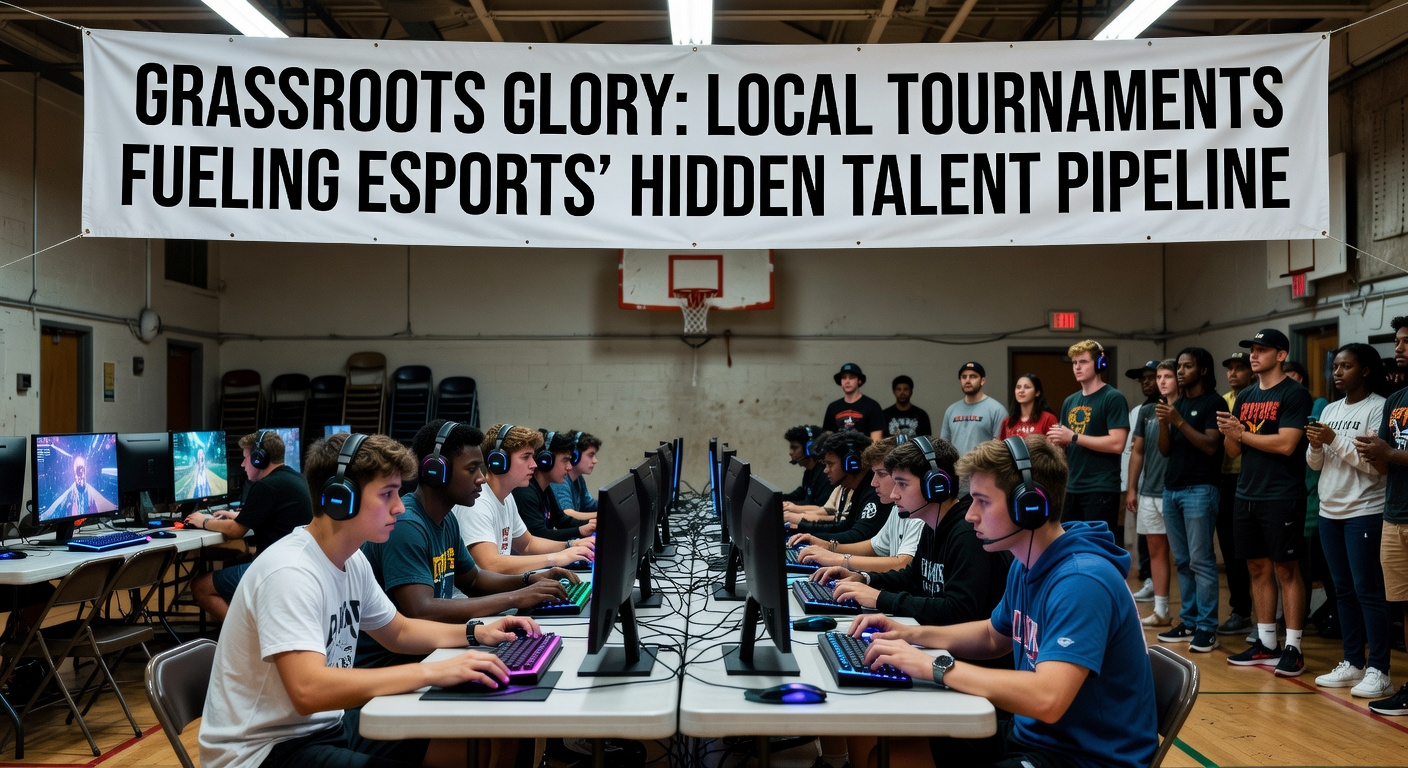
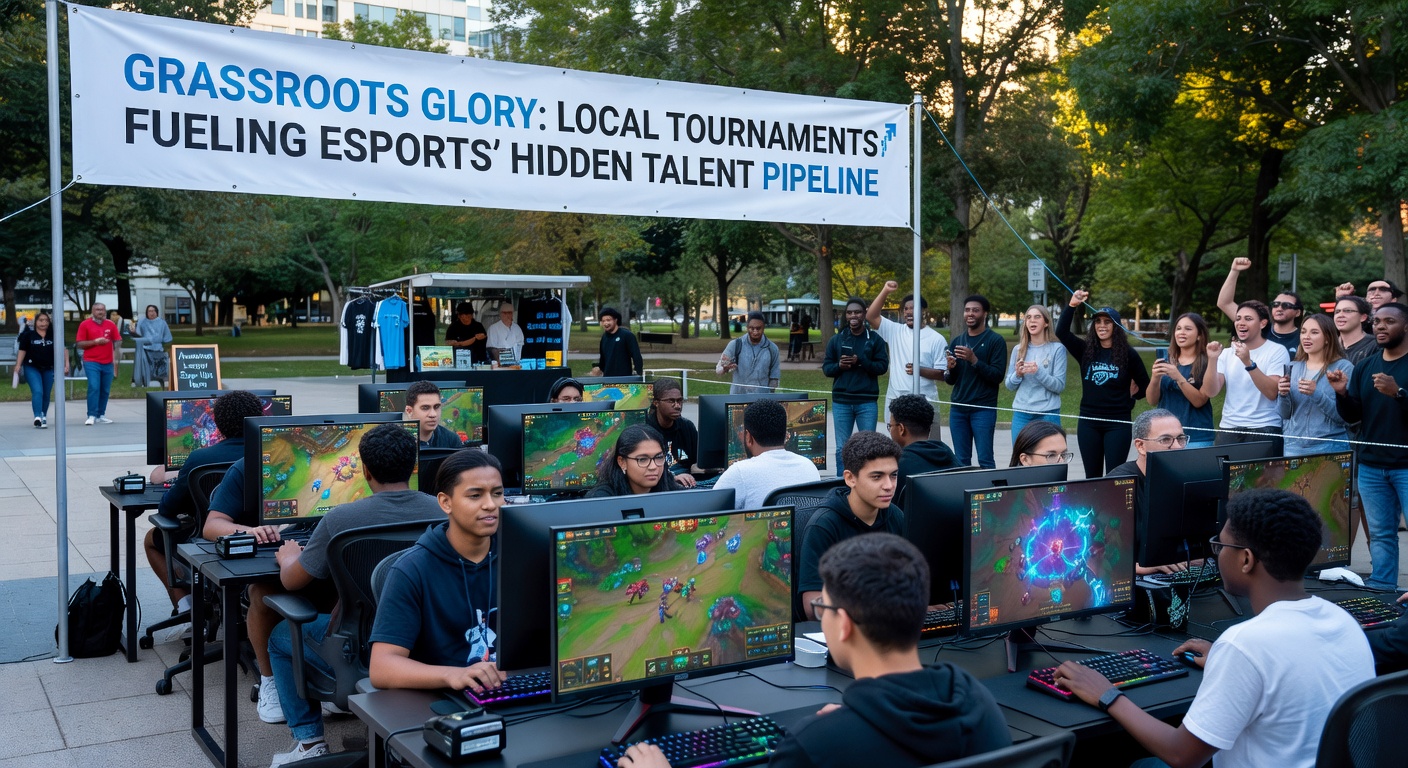
Local tournaments pop up in community centers, college dorms, and even parking lots, drawing crowds of gamers who dream big while grinding on modest setups; these events, often organized by volunteers or small sponsors, serve as the unsung entry points for aspiring pros, where raw talent gets its first real test under pressure. Data from Newzoo, a Netherlands-based analytics firm, reveals that over 60% of professional esports players credit grassroots competitions for their breakthrough moments, highlighting how these low-stakes showdowns build skills, networks, and that crucial competitive edge before the bright lights of international circuits take over. And it's not just about winning prizes—though some locals boast $500 pots—the real value lies in the reps, the rivalries, and the scouts who occasionally wander in from bigger leagues.
Take community hubs in cities like Seattle or Manchester; organizers there pack rooms with 50-plus entrants for free-to-play titles like Valorant or League of Legends, creating atmospheres buzzing with energy that mirror pro events on a smaller scale, while fostering a pipeline that's produced dozens of regional stars over the past five years. What's interesting is how these gatherings adapt to hybrid formats post-pandemic, blending online qualifiers with in-person finals to pull in talent from rural areas that pros rarely reach.
From Lan Parties to Pro Pipelines: A Quick Evolution
Grassroots esports traces roots back to the early 2000s lan parties in garages and basements, where friends battled over StarCraft or Counter-Strike; fast-forward to today, and structured local circuits have exploded, thanks to platforms like Battlefy and Toornament that let anyone host brackets with minimal hassle, resulting in thousands of events annually across North America alone. Figures from the Entertainment Software Association in the US indicate participation in amateur tournaments surged 35% between 2022 and 2025, driven by accessible tools and streaming tech that turn local wins into viral clips, catching the eyes of talent scouts worldwide.
Experts who've tracked this shift note how colleges and universities play a pivotal role too; programs like the National Esports Association's collegiate leagues host weekly locals that feed directly into national qualifiers, with teams from schools in California and Texas advancing players to semi-pro rosters at rates climbing year over year. But here's the thing—it's the unpolished, hyper-local ones, like those run by Discord groups in Australian suburbs or EU gaming cafes, that unearth the diamonds in the rough, players who lack fancy academies but shine through sheer grit and practice.
Spotlight Stories: Players Who Climbed from the Locals
One standout case involves Alex "Rookie" Chen, who dominated Chicago's weekly Rocket League nights at a local arcade back in 2023; after stringing together 15 straight wins, he caught footage went viral, leading to a tryout with a mid-tier org that fast-tracked him to the RLCS qualifiers just six months later—now, in 2026, he's anchoring a top-20 team. Similar paths unfold elsewhere; consider Maria Lopez from a Madrid community center series, where her Apex Legends clutches drew EU scouts, propelling her from $20 entry fees to a spot on an LEC academy roster by late 2025.
And then there's the collective impact in Asia's street-level scene; organizers in Seoul's PC bangs report over 200 players from 2024 locals signing with pro teams, a trend backed by regional data showing grassroots events accounting for 40% of Overwatch League feeder talent. These stories repeat globally—observers point to a kid from rural Canada who grinded Super Smash Bros. tourneys in high school gyms, eventually landing on the Panda Global roster—proving that local circuits don't just entertain, they incubate careers with real staying power.
It's noteworthy how organizers innovate too; some venues partner with high schools for under-18 brackets, ensuring the pipeline stays fresh, while others stream via Twitch to build hype and attract sponsors, turning what could be one-off events into recurring talent hubs that pros revisit for practice even after making it big.
Numbers Don't Lie: The Data Behind the Boom
Research from universities like the University of California, Irvine, uncovers that participants in regular local tournaments show 25% faster improvement in mechanics and decision-making compared to solo queue grinders, a gap that explains why 70% of top-100 Valorant players logged early hours in such settings. Globally, platforms hosting these events logged over 1.2 million brackets in 2025 alone, with entry numbers up 28% year-over-year, signaling a robust ecosystem that's scaling without massive budgets.
Turns out, retention plays a huge role too; data indicates 55% of local regulars stick with competitive play for at least two years, far outpacing casual players, because these tourneys build community and accountability that keeps motivation high. In regions like Brazil and South Korea, where infrastructure lags for big events, locals fill the void—figures reveal they supply nearly half the talent to major leagues like LCK or CBLoL, underscoring their role as equalizers in an industry often dominated by well-funded academies.
Yet economic angles add layers; average local prize pools hit $200-1,000, modest but enough to cover travel for winners, while sponsorships from energy drinks and peripherals grow, injecting stability. People who've studied this landscape observe how metrics like viewer hours on local streams—topping 50 million monthly—create self-sustaining loops, drawing more players and pros alike.
Challenges on the Grind: Hurdles for Organizers and Players
Running these events isn't all smooth sailing, though; organizers grapple with venue costs spiking 20% in urban areas, inconsistent internet in rural spots, and player burnout from packed schedules that clash with school or jobs—issues that research teams at institutions like Toronto Metropolitan University have quantified through surveys of 5,000+ participants. Diversity gaps persist too, with women comprising just 15-20% of entrants in many circuits, although initiatives like Women in Games International are pushing targeted locals to close that divide.
So while the talent flows steadily, scalability tests the model; some events fold due to low turnout, but survivors adapt by going hybrid or tying into global qualifiers, ensuring the pipeline endures. That's where the rubber meets the road—balancing accessibility with quality keeps the hidden gems surfacing amid the noise.
April 2026: Fresh Waves from the Locals
Heading into April 2026, local scenes heat up with qualifiers for summer majors; take the Midwest Melee Circuit's month-long bracket in the US, which already scouted three players now trialing for NRG, or Europe's Battle of the Bans event wrapping up on the 15th, funneling Apex squads straight to ALGS opens. In Australia, Sydney's Grassroots Gauntlet hits peak attendance mid-month, live-streamed to 10,000 viewers and featuring guest pros coaching finalists—events like these not only spotlight talent but also data-track progress, with organizers sharing stats on rising stars' win rates.
Observers note a spike in mobile esports locals too, like PUBG Mobile tourneys in Indian community halls drawing 300+ per night, feeding SEA pro scenes; this timeliness underscores how grassroots efforts sync with the calendar, turning spring momentum into pro contracts by fall. It's a rhythm that's accelerating, with tech like cloud gaming lowering barriers even further.
Conclusion: The Enduring Spark
Local tournaments stand as the beating heart of esports' growth engine, unearthing talent through sheer volume and proximity that polished academies can't always match; data confirms their outsized impact, from player pipelines to community vitality, ensuring the scene stays vibrant and inclusive. As circuits evolve with better tools and partnerships, they promise to keep fueling the pros who dominate tomorrow's headlines—proving that glory often starts small, in the thick of hometown crowds and late-night lobbies. Those who've watched this unfold know the pattern holds: grassroots today, global stages soon after.