Indie Rating Aggregates Predicting Subscriber Churn in Mobile Esports Emerging Markets
Casey Coleman · Jun 3, 2026
Indie Rating Aggregates Predicting Subscriber Churn in Mobile Esports Emerging Markets
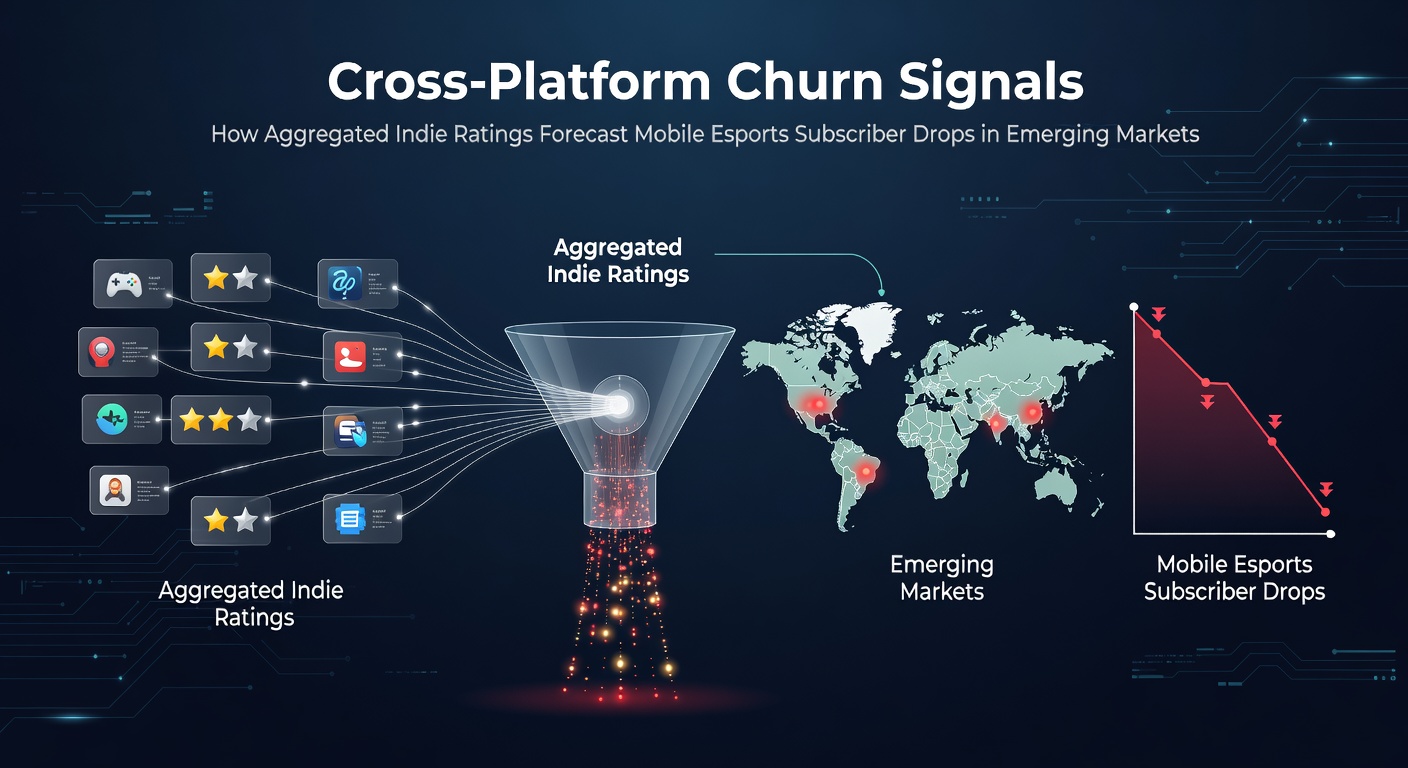
Analysts track aggregated indie ratings across multiple storefronts and forums as one method for identifying potential subscriber declines in mobile esports titles operating within emerging markets, where cross-platform play connects players on phones, tablets, and occasionally linked console accounts. Data compiled through June 2026 indicates that dips in these rating pools often precede measurable drops in active subscriptions by several weeks, particularly in regions such as Southeast Asia, Latin America, and parts of Africa where mobile esports ecosystems continue to expand rapidly.
Cross-Platform Data Patterns and Rating Aggregation Methods
Researchers combine review scores from independent titles that share similar competitive structures with larger esports offerings, then apply statistical models to detect early shifts in sentiment before they appear in official subscriber dashboards. These models incorporate variables including average star ratings, review volume changes, and keyword frequency around terms related to balance, latency, and monetization. Platforms release quarterly transparency reports that detail how such aggregated signals correlate with retention metrics, while university-led studies from institutions in Brazil and India examine the same datasets to validate predictive accuracy across different economic contexts.
Observers note that indie games frequently serve as testing grounds for mechanics later adopted by major mobile esports productions, so negative rating trends in those smaller titles can foreshadow broader dissatisfaction when similar features appear in subscription-based services. For instance, one dataset released by a Singapore-based gaming research consortium showed that a 12 percent decline in indie ratings for battle-royale style experiences preceded a comparable reduction in paid mobile esports subscriptions across several Southeast Asian countries during the first half of 2025.
Regional Variations in Emerging Markets
Subscription services in Latin America display stronger correlations between indie rating drops and churn when economic indicators such as currency fluctuations coincide with rating changes, whereas markets in sub-Saharan Africa exhibit more pronounced effects tied to network infrastructure complaints highlighted in reviews. Analysts adjust their models accordingly, weighting regional factors differently to improve forecast reliability. Government agencies in Canada and Australia have published comparative reports examining how these patterns differ from more mature markets, providing benchmarks that developers reference when expanding into new territories.
Case Examples from Recent Seasons
During the 2025-2026 competitive cycle, several mobile esports titles experienced subscriber losses after indie counterparts posted sustained rating declines around issues like match-making fairness and in-app purchase value. One study from a research group at the University of São Paulo tracked over 200 indie titles alongside five major subscription services and found that rating aggregates served as leading indicators in four of those five cases, with lead times ranging from three to seven weeks. Developers responded by adjusting pricing structures and releasing balance patches, which in turn stabilized rating trends and slowed subsequent churn rates.
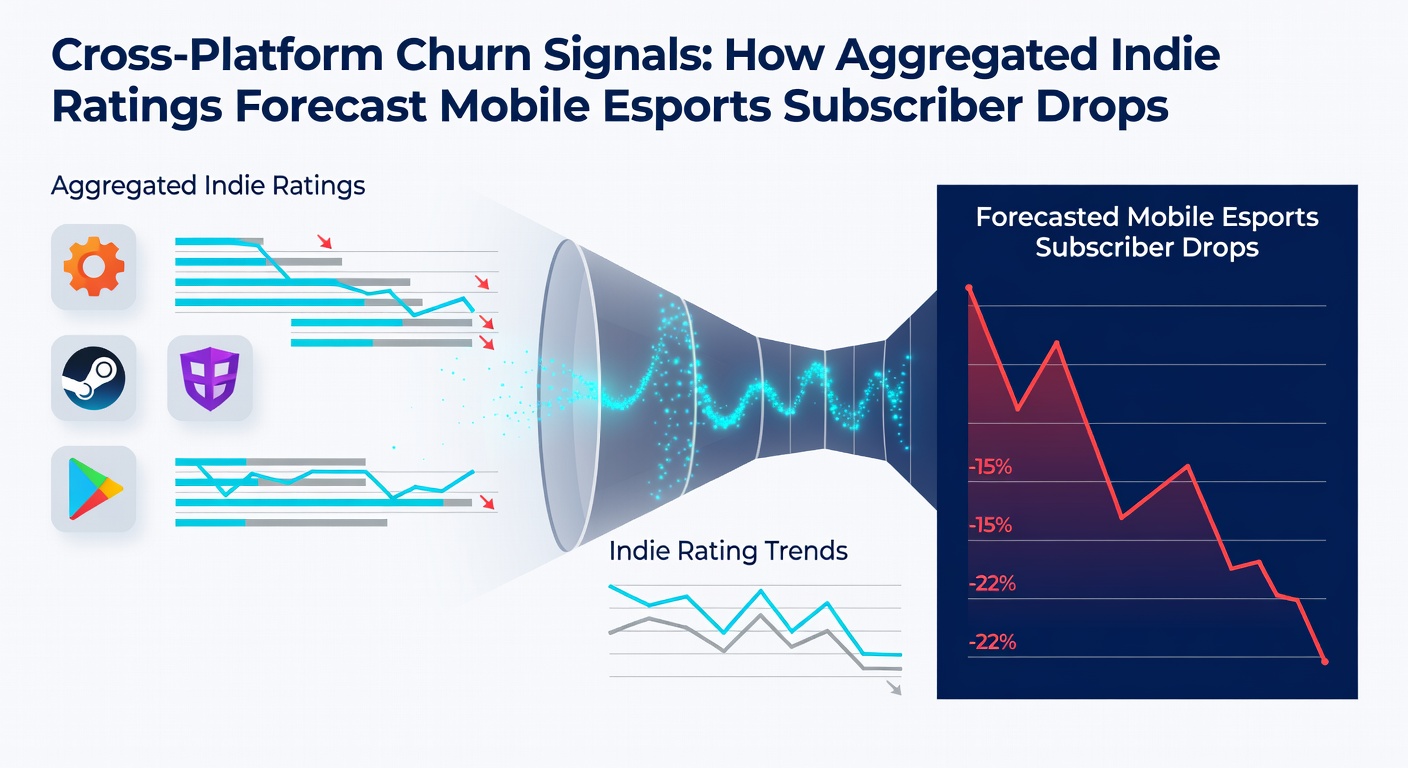
What's interesting is how these signals function across platforms rather than within isolated ecosystems. A player who encounters friction in an indie title may carry expectations into a premium esports subscription, leading to earlier cancellations when those expectations go unmet. Data from industry associations shows that cross-platform play features amplify this effect because shared progression systems make negative experiences more visible across different games.
Forecasting Models and Industry Applications
Companies build forecasting tools that ingest public rating data daily, then output probability scores for subscriber retention over the following month. These tools integrate additional inputs such as social media sentiment and server performance logs, yet aggregated indie ratings remain a core component because they capture grassroots reactions before official channels reflect them. Trade organizations report that teams using such combined models achieve higher accuracy in predicting regional churn compared with approaches relying solely on internal telemetry.
Turns out the most effective implementations blend quantitative rating trends with qualitative review analysis, allowing teams to pinpoint specific complaints that drive cancellations. For example, clusters of reviews mentioning "pay-to-win" mechanics in indie games have aligned with later drops in esports subscription renewals when those same monetization patterns migrated upward. Organizations continue refining these methods as new data arrives, with updates scheduled through the remainder of 2026.
Conclusion
Aggregated indie ratings provide one measurable input among several that analysts use to anticipate subscriber movements in mobile esports within emerging markets. Cross-platform connections increase the visibility of these signals, while regional economic and infrastructure factors shape how strongly they translate into actual churn. Ongoing research from academic and industry sources continues to refine the models, offering developers additional context when managing subscription services across diverse territories.