Launch Windows Dictate Reception for Niche Ports on Varied Devices
Carlo Walter · Aug 26, 2026
Launch Windows Dictate Reception for Niche Ports on Varied Devices
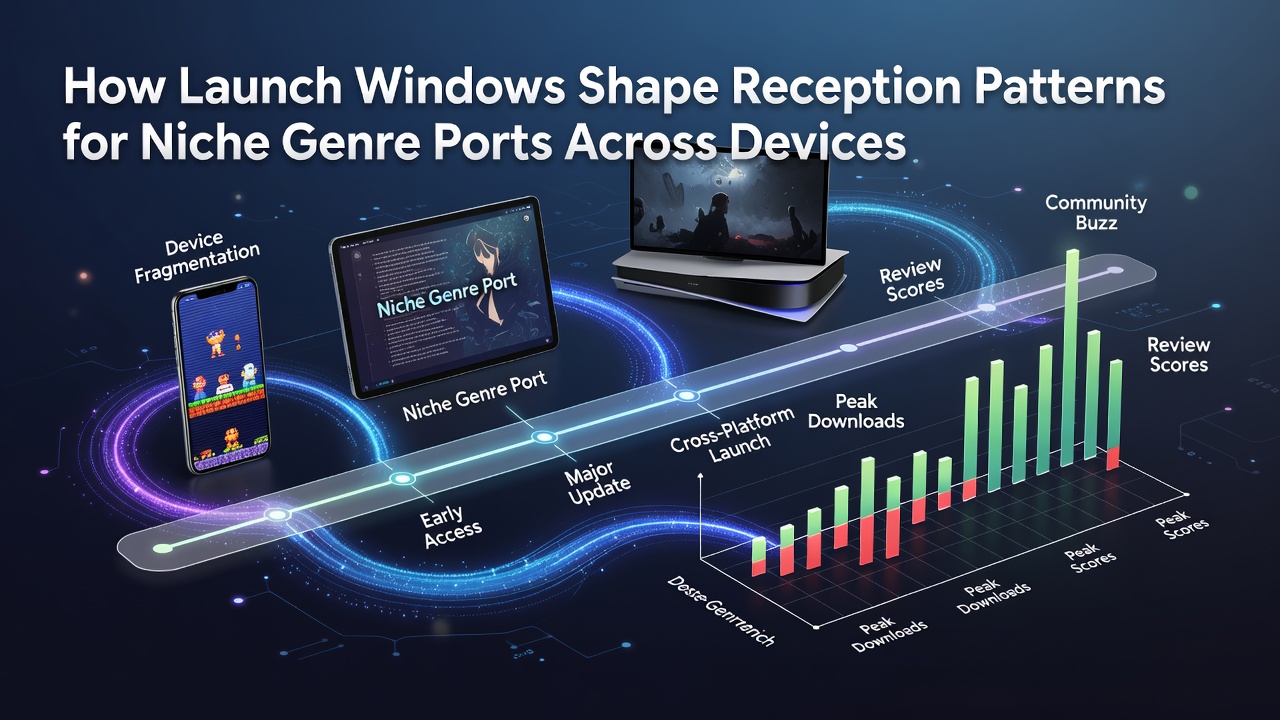
Launch windows play a central role in how players receive ports of niche genres such as turn-based strategy, roguelike deckbuilders, and simulation titles when they move between PC, consoles, and mobile devices. Data from multiple platform analytics firms tracks these patterns through review aggregates, download velocity, and retention metrics collected over the past several years.
Defining Launch Windows in Port Strategies
Publishers select specific calendar periods for releasing ports, and these choices align with hardware cycles, competing titles, and seasonal player availability. Research from the Entertainment Software Association indicates that ports released in the first quarter often encounter less direct competition on consoles, whereas summer windows see higher mobile engagement due to increased device usage during travel periods.
Timing decisions also intersect with update schedules from platform holders. A port of a niche strategy game launched in August 2026, for instance, can benefit from pre-existing hardware optimizations rolled out earlier that year, which affects performance benchmarks reported across review outlets.
Device-Specific Reception Patterns
Reception data reveals distinct curves on each platform. Console ports of niche genres frequently show stronger initial review scores when released during holiday-adjacent windows, because marketing budgets concentrate around those periods and player bases expand. Mobile ports, by contrast, demonstrate steadier but lower peak engagement when launched outside major app store promotional events.
PC ports occupy an intermediate position. Observers note that Steam visibility algorithms reward consistent release pacing, so niche titles arriving during quieter weeks accumulate higher wish-list conversions compared with crowded launch clusters. Figures from platform telemetry services show that ports debuting mid-month on PC maintain longer review submission periods, which stabilizes aggregate scores.
Case Evidence from Recent Ports
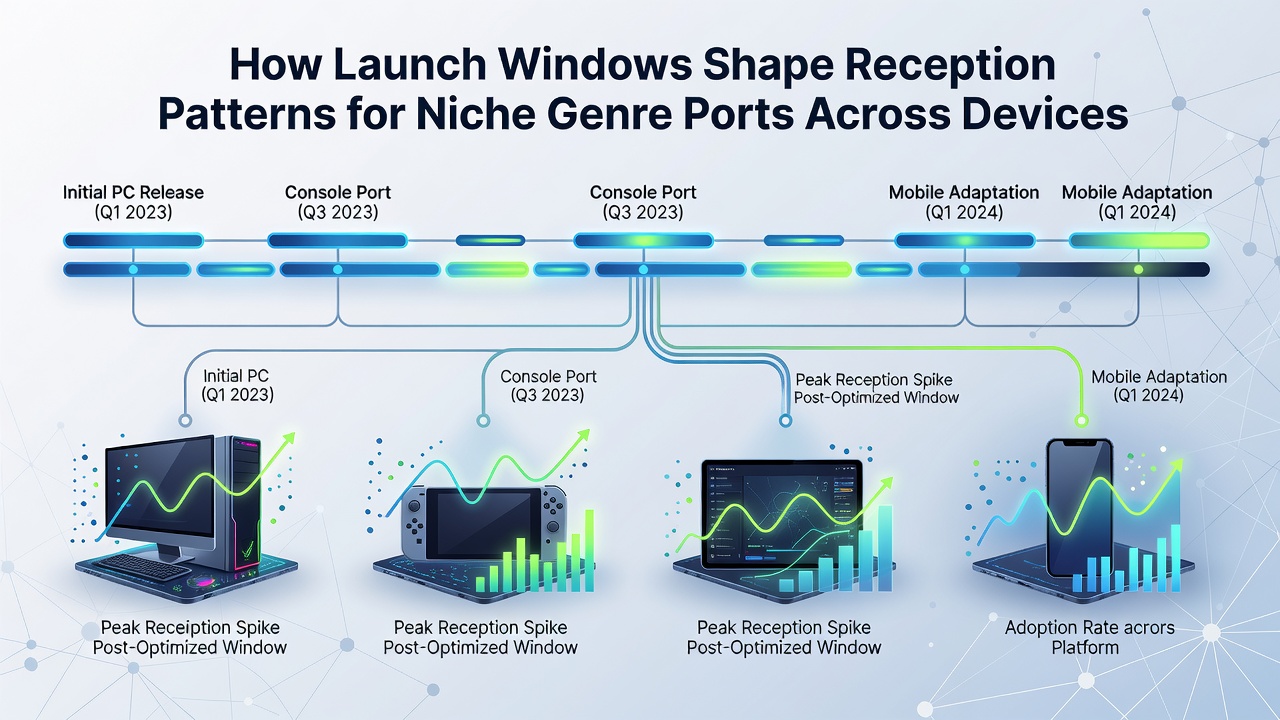
One documented example involves a turn-based tactics title ported from PC to Nintendo Switch in early 2025. The release occurred during a window with minimal overlapping strategy releases, and subsequent sales data indicated sustained playtime metrics above the platform median for the genre. A separate roguelike deckbuilder moved to mobile in late spring 2026 and recorded elevated churn rates, correlating with simultaneous launches from larger publishers that month.
Cross-device comparisons further illustrate the point. Ports that hit consoles and mobile within a four-week span tend to display score divergence, with console versions receiving higher marks on control precision while mobile versions accumulate feedback focused on touch optimization delays. Industry reports compiled by the Interactive Games and Entertainment Association track these divergences through standardized rating submissions.
Data Trends Across Regions
Regional differences emerge when launch windows interact with local hardware adoption rates. European markets show stronger mobile port performance during back-to-school periods, while North American data points to console spikes around fiscal year-end promotions. A university-led analysis of port reception from 2023 to 2026 found that aligning releases with regional content update cycles reduced negative feedback related to missing features by measurable margins.
Platform holders publish aggregate statistics that support these observations. Download and rating velocity charts demonstrate that niche genre ports avoid the steepest reception drops when staggered by at least six weeks across devices, allowing developers to incorporate early platform feedback before subsequent launches.
Conclusion
Launch window selection continues to shape measurable reception outcomes for niche genre ports. Platform data, regional adoption patterns, and cross-device timing gaps all contribute to the final distribution of review scores and engagement figures. Developers and publishers reference these documented correlations when planning future port schedules across PC, console, and mobile ecosystems.