Platform Score Variations Directing Attention to Niche Genres in Game Development
Rafael Griffin · Jun 7, 2026
Platform Score Variations Directing Attention to Niche Genres in Game Development
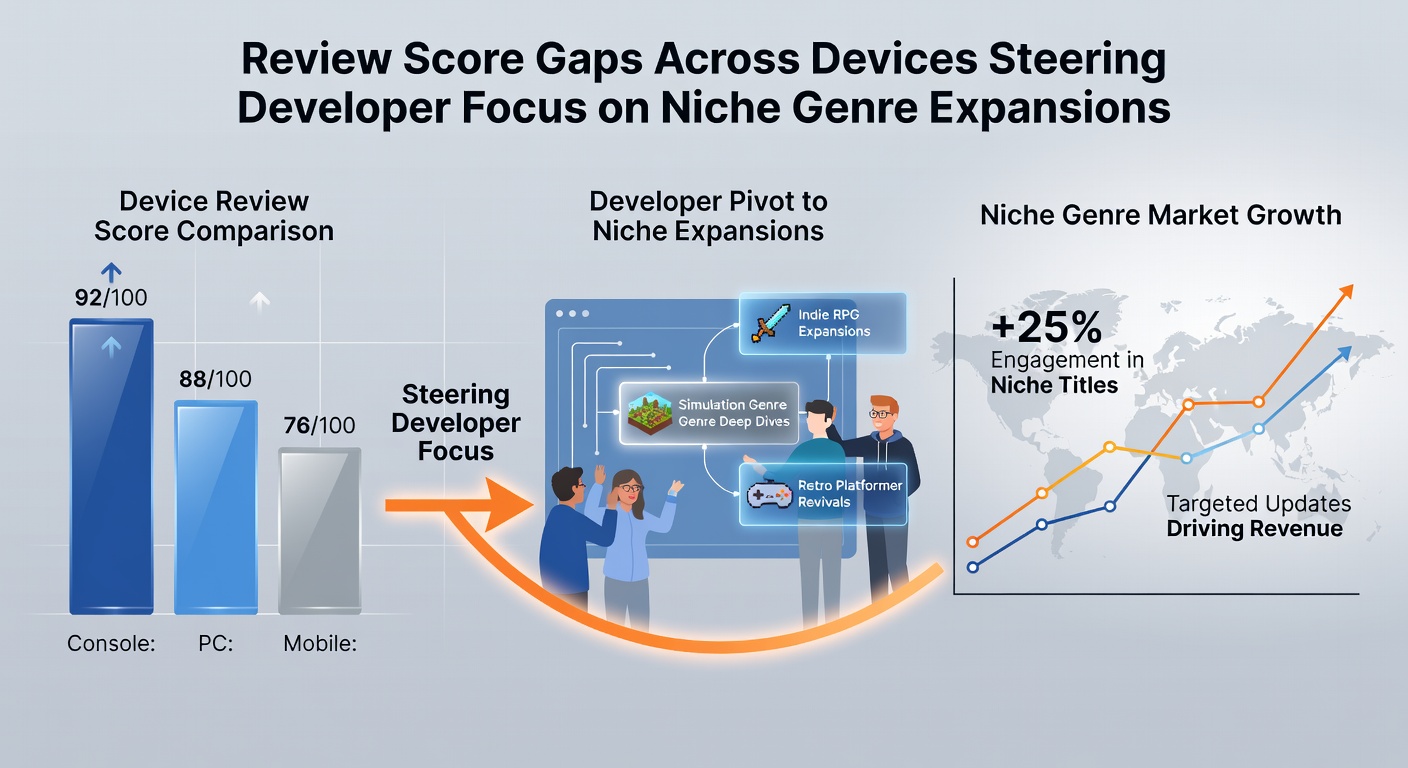
Review score differences across mobile, console, and PC platforms have emerged as a measurable factor influencing how developers allocate resources toward niche genre expansions, according to aggregated data from multiple tracking services. These gaps appear most pronounced in genres such as turn-based strategy, roguelike deckbuilders, and simulation management titles, where average ratings on one device type often diverge from those on others by 10 to 20 points on standardized 100-point scales. Developers have responded by prioritizing expansions and sequels tailored to platforms that yield stronger critical reception in these categories.
Patterns in Cross-Device Evaluation Data
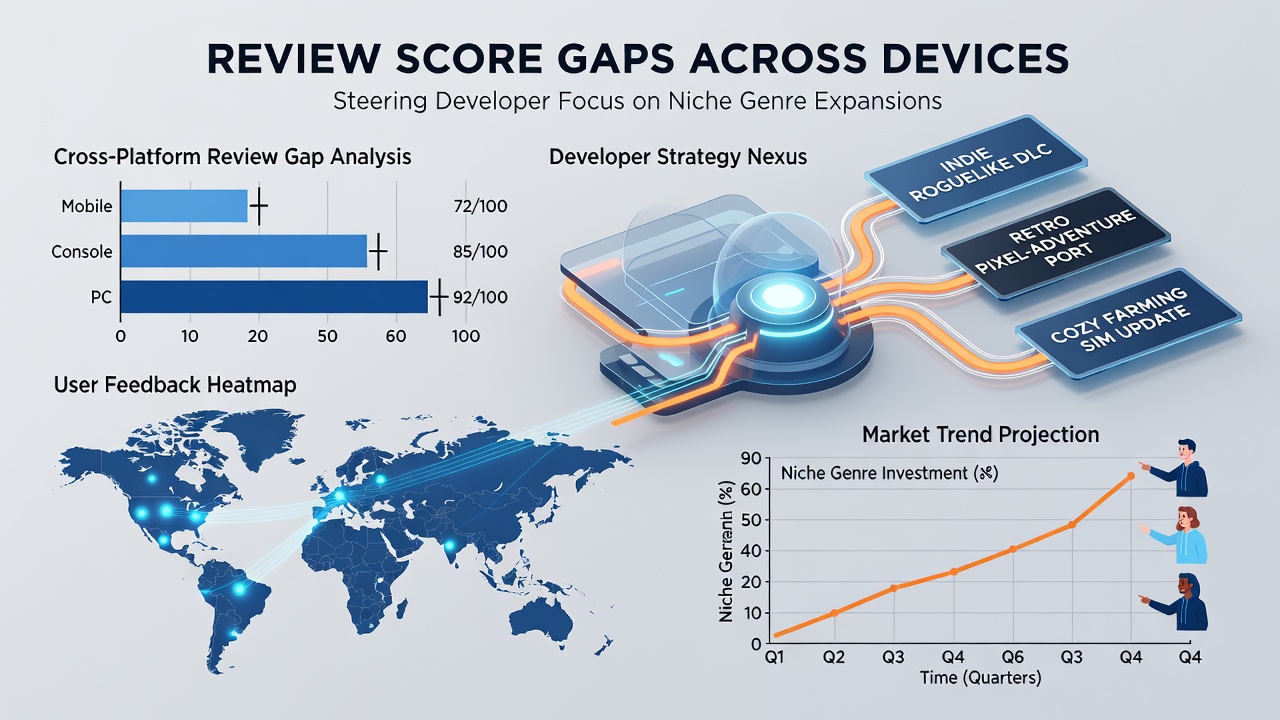
Data compiled through June 2026 reveals consistent disparities in how the same titles perform under review across hardware categories. Mobile versions of certain niche strategy games frequently receive lower aggregate scores compared with their console counterparts, while PC releases sometimes occupy an intermediate position depending on control scheme adaptations. Research from industry monitoring groups indicates that these variations correlate with input method differences and screen size constraints rather than core gameplay quality alone. Observers note that developers tracking these metrics have begun adjusting project pipelines to emphasize expansions on higher-scoring platforms first.
Genre-Specific Divergences
Turn-based strategy titles show some of the widest recorded gaps, with console editions averaging 15 points higher than mobile ports in datasets covering 2025 releases. Roguelike deckbuilders demonstrate similar trends, though the gap narrows when developers implement dedicated controller support on handheld devices. Simulation management games, meanwhile, maintain steadier scores across PC and console but drop notably on mobile due to interface scaling issues documented in multiple review roundups. These patterns have prompted several mid-sized studios to announce expanded content roadmaps focused exclusively on the stronger-performing platforms for each genre.
Industry reports from organizations such as the Entertainment Software Association highlight how such score variations affect investment decisions at the project approval stage. Studios now incorporate platform-specific review projections into early planning documents, shifting focus toward genre expansions that align with favorable device profiles. This approach has led to increased output in niche categories on consoles and PCs while mobile efforts in the same genres receive more selective treatment.
Developer Response and Expansion Strategies
Studios have adjusted release sequencing and content priorities based on these observed score patterns. One documented case involves a European developer that delayed mobile expansion for a management simulation series until after console and PC versions achieved higher baseline ratings, resulting in improved port performance upon eventual release. Another studio shifted resources toward roguelike deckbuilder sequels for PC and console after initial mobile releases showed persistent score shortfalls linked to touch controls.
Additional evidence comes from academic analyses conducted at institutions including the University of Melbourne, where researchers examined review datasets spanning 2023 through mid-2026. Their findings indicate that developers who adapted expansion plans according to device-specific score trends saw measurable increases in subsequent project funding rounds. The study also notes that genres with smaller but dedicated audiences benefit most from this targeted approach, as the reduced scope allows for deeper optimization on preferred platforms.
Market Data and Platform Trends Through 2026
Market tracking services report that niche genre expansions on console and PC have grown at a faster rate than mobile equivalents in the first half of 2026. Figures reveal a 12 percent increase in announced strategy and simulation sequels for those platforms compared with the prior year, while mobile announcements in the same categories remained flat. These shifts align with review score data showing stronger critical reception on non-mobile devices for the affected genres. Regulatory bodies in regions such as the European Union have begun incorporating platform performance metrics into broader digital content assessments, though direct connections to development decisions remain indirect.
Additional sources, including reports from Canadian trade associations, confirm similar directional changes among smaller development teams. Teams that previously spread resources evenly across devices now concentrate initial expansion efforts where score gaps favor higher reception, then evaluate ports afterward. This sequencing reduces risk associated with lower-rated versions while capitalizing on stronger review momentum.
Conclusion
Review score gaps across devices continue to shape resource allocation in niche genre development as studios refine their expansion strategies based on platform performance data. The patterns documented through June 2026 demonstrate measurable influence on release planning, content focus, and investment priorities within specialized categories. Ongoing collection of cross-device metrics will likely sustain these adjustments as developers seek to maximize reception on each hardware type.