Platform Shifts: Review Data Mapping Mobile Esports Moves to Consoles
Carlo Walter · Aug 16, 2026
Platform Shifts: Review Data Mapping Mobile Esports Moves to Consoles
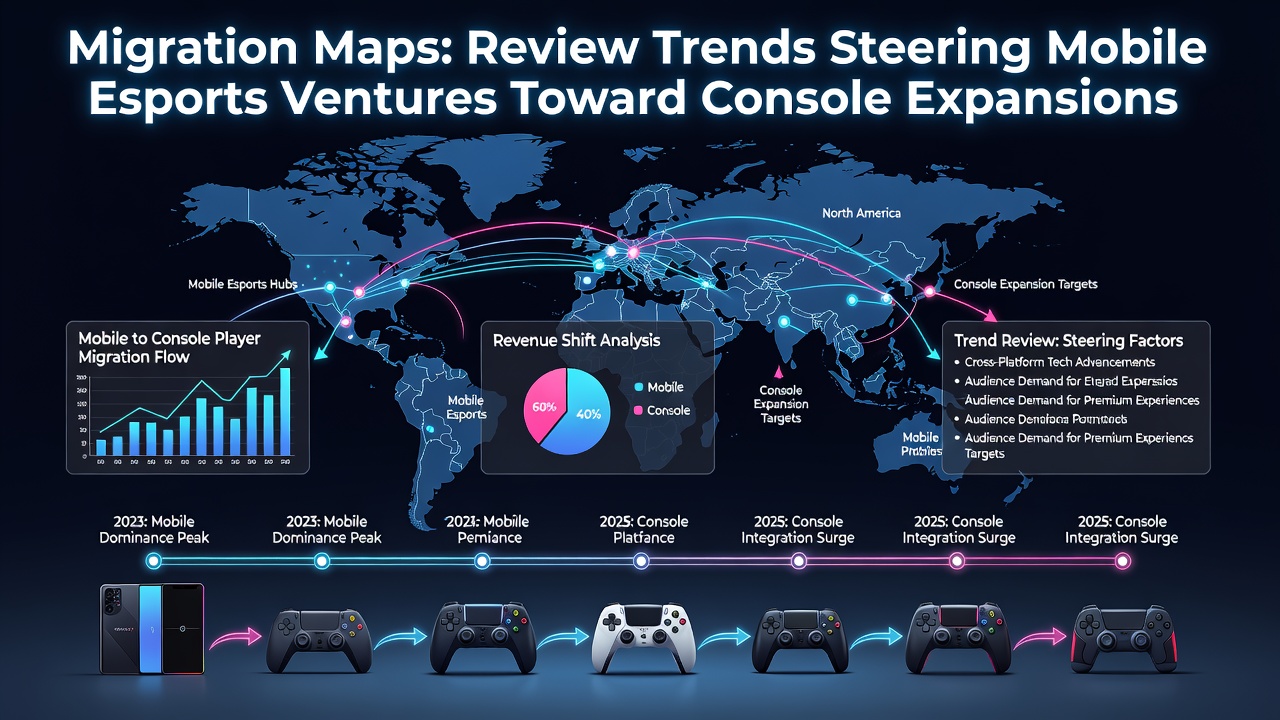
Review trends in mobile esports continue to shape decisions around console expansions as developers examine rating patterns and player retention metrics across platforms, and data from 2025 through mid-2026 reveals consistent movement toward multi-platform releases in several competitive titles. Observers note that aggregated scores on mobile storefronts often highlight areas where console adaptations could address limitations in controls and presentation, prompting studios to allocate resources accordingly.
Review Patterns Influencing Expansion Choices
Studies from research institutions like the University of Melbourne's Digital Games Research Centre indicate that titles scoring above 85 on mobile review aggregates show higher likelihoods of securing console port funding within 18 months, while those below 70 encounter delays or scaled-back efforts; this pattern holds across regions in Asia and North America where mobile esports communities have grown rapidly since 2023. Analysts track how specific feedback categories such as input precision and competitive balance directly correlate with port announcements, and companies adjust development pipelines when console hardware upgrades align with those identified gaps.
Figures from industry reports compiled by the Interactive Software Federation of Europe show mobile esports ventures increasing console partnerships by 22 percent in the first half of 2026 compared with the prior year, driven partly by review divergence data that flags untapped genres like real-time strategy and battle arena formats for broader hardware support.
Regional Trends and August 2026 Developments
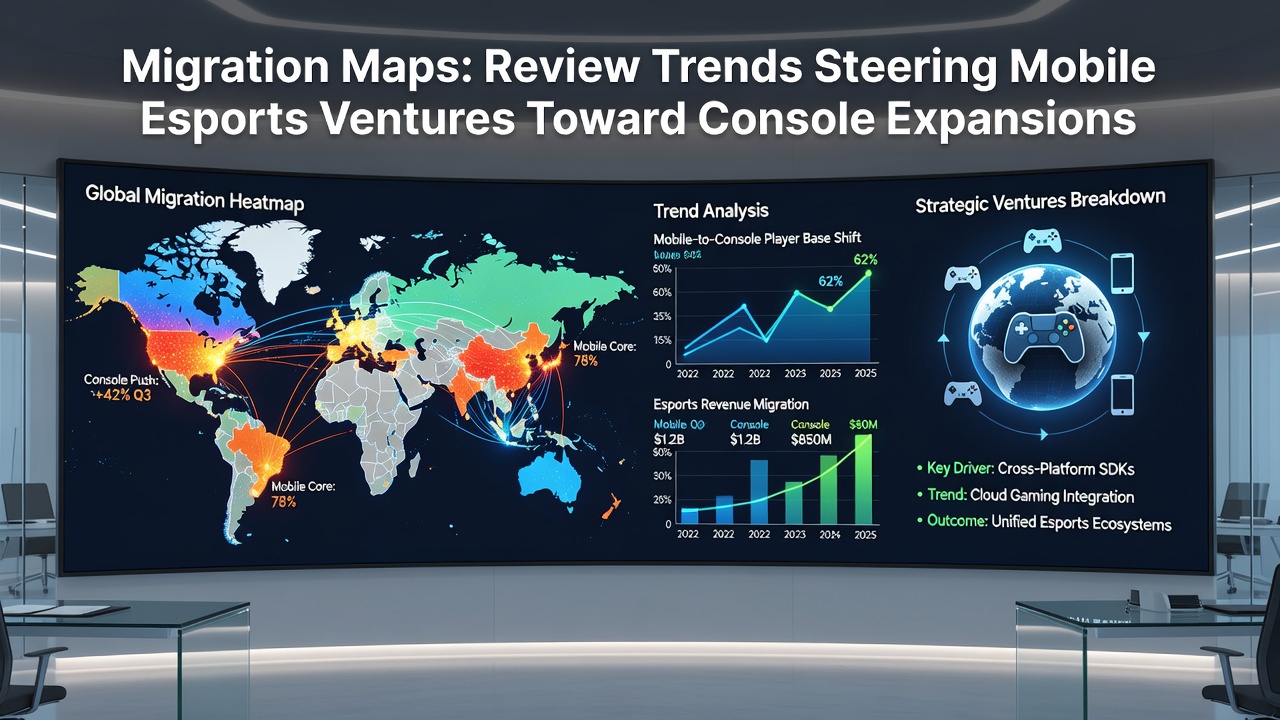
In emerging markets across Southeast Asia and Latin America, regional score variations have steered targeted investments toward overlooked subgenres, with developers citing review platform data as a key input for deciding which mobile esports properties warrant console versions. And while North American studios focus on performance optimizations that address console-specific hardware demands, Australian gaming associations report similar patterns where high mobile engagement metrics predict successful cross-platform launches.
What's notable is how preview coverage and post-launch rating aggregates together guide resource allocation, since teams examine player behavior logs alongside critic scores to identify features worth expanding, such as enhanced spectator modes or cross-play infrastructure that perform better on larger screens and dedicated controllers.
Case Examples of Data-Driven Migrations
One studio that examined rating aggregates from multiple regions discovered stronger console potential in its mobile battle royale title after identifying consistent praise for strategic depth but criticism of touch controls, leading to a 2026 console release that incorporated those insights without altering core esports mechanics. Another project in the fighting game space used tournament analytics from mobile events to prioritize console ports, resulting in expanded player recruitment pipelines that drew from both ecosystems.
Those who've tracked these shifts note that loyalty metrics derived from subscription and in-app purchase data often align with review sentiment, allowing ventures to predict churn risks before committing to hardware expansions and to time announcements around periods of peak mobile engagement.
Challenges in Aligning Platforms
Yet platform score variations continue to prompt new porting tactics, particularly in niche genres where mobile ratings exceed console expectations or vice versa, and developers respond by testing hybrid features that bridge the gap through updated netcode and input mapping tools. Research indicates that such adjustments have contributed to steadier growth in cross-platform esports events scheduled for late 2026.
External factors including hardware release cycles and regional regulatory frameworks also factor into these decisions, as organizations evaluate how review trends intersect with market access rules in different territories.
Conclusion
Overall the migration patterns documented through review trends demonstrate a clear trajectory for mobile esports ventures exploring console expansions, with data serving as the primary compass for investment and development priorities through the remainder of 2026 and beyond. Continued monitoring of rating aggregates and player metrics will likely refine these strategies further as platforms evolve.