Preview Cycles Guide Hardware Choices for Niche Indie Enthusiasts
Klara Long · Jun 24, 2026
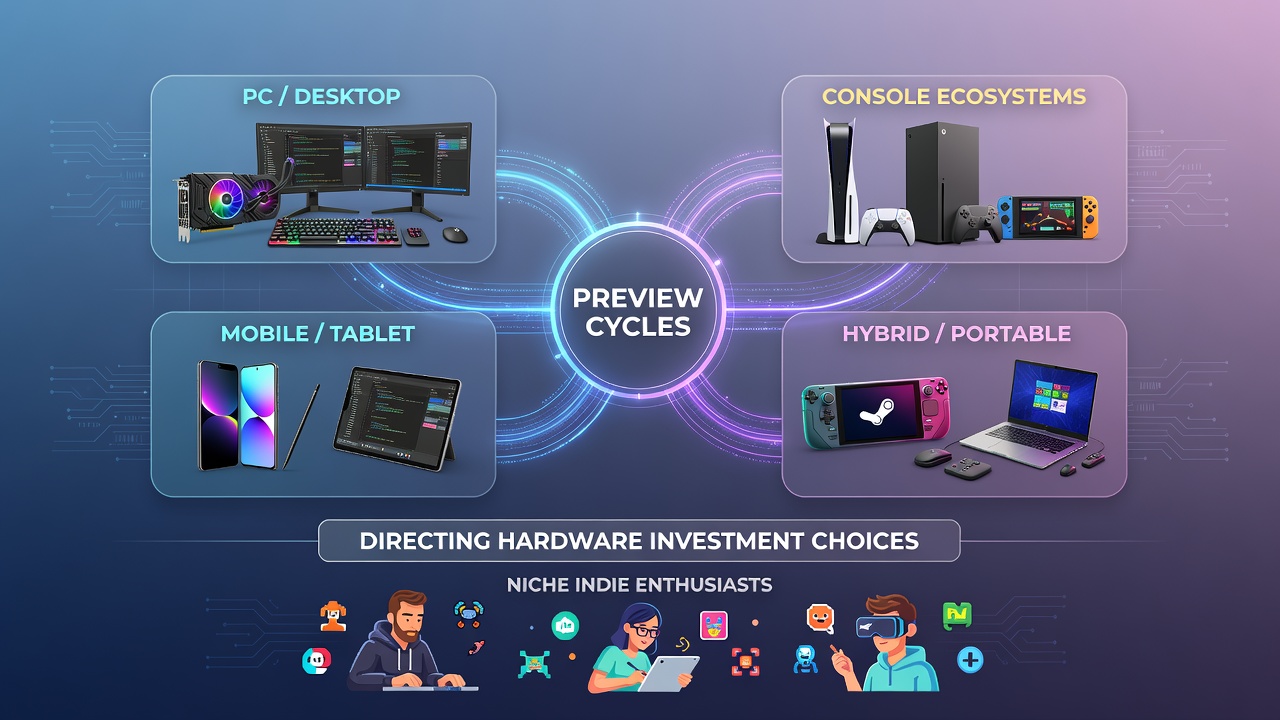
Preview Cycles Guide Hardware Choices for Niche Indie Enthusiasts
Preview cycles in the gaming industry have gained traction as structured periods where developers release early builds, demos, and beta versions to select audiences, and these phases increasingly correlate with hardware purchasing decisions among enthusiasts focused on indie titles across multiple platforms. Data from mid-2026 shows that participants in such cycles often evaluate performance metrics on their current devices before committing to upgrades, particularly in specialized genres like narrative-driven adventures or pixel-art roguelikes that demand precise input handling and visual fidelity.
Platform-Specific Investment Patterns
Observers note that PC users within these communities frequently respond to preview feedback by prioritizing graphics cards and processors that handle custom engine optimizations common in indie development, while console participants track compatibility announcements that emerge during preview windows. Research indicates that handheld device owners, including those using portable systems from Nintendo and Sony, adjust their buying timelines based on preview reports detailing frame rates and battery performance in cross-platform indie releases. According to industry reports compiled by the Entertainment Software Association, preview engagement rates in niche segments rose notably between 2024 and 2026, coinciding with measurable shifts in hardware acquisition data collected from enthusiast forums and sales trackers.
Those who've studied this know that mobile enthusiasts also participate, often testing preview versions on tablets or phones before investing in accessories such as controllers or higher-capacity storage solutions that support sustained play sessions. Figures reveal that preview cycles serve as testing grounds where performance shortfalls on existing hardware prompt targeted investments rather than broad overhauls, allowing participants to match device capabilities to the specific technical requirements highlighted in early builds.
Data Trends Emerging in 2026
June 2026 saw several indie titles enter extended preview phases that highlighted platform variances, prompting enthusiasts to compare benchmarks across PC, console, and mobile environments before finalizing purchases. Academic analyses from research institutions such as those affiliated with the University of Alberta have documented how preview-derived metrics on input latency and rendering quality influence decisions among dedicated players who follow multiple platforms simultaneously. These studies track correlations between preview participation and subsequent hardware transactions, showing patterns where enthusiasts favor modular upgrades on PC over full console replacements when preview data indicates incremental compatibility fixes.
What's interesting is the way preview cycles create feedback loops that extend beyond initial impressions, as developers incorporate community-reported hardware constraints into later updates, which in turn affects ongoing investment considerations. One study revealed that participants who engaged with previews across at least three platforms demonstrated higher rates of accessory purchases, such as specialized monitors or network adapters, compared to those limited to single-platform testing.
Cross-Platform Dynamics and Niche Genres
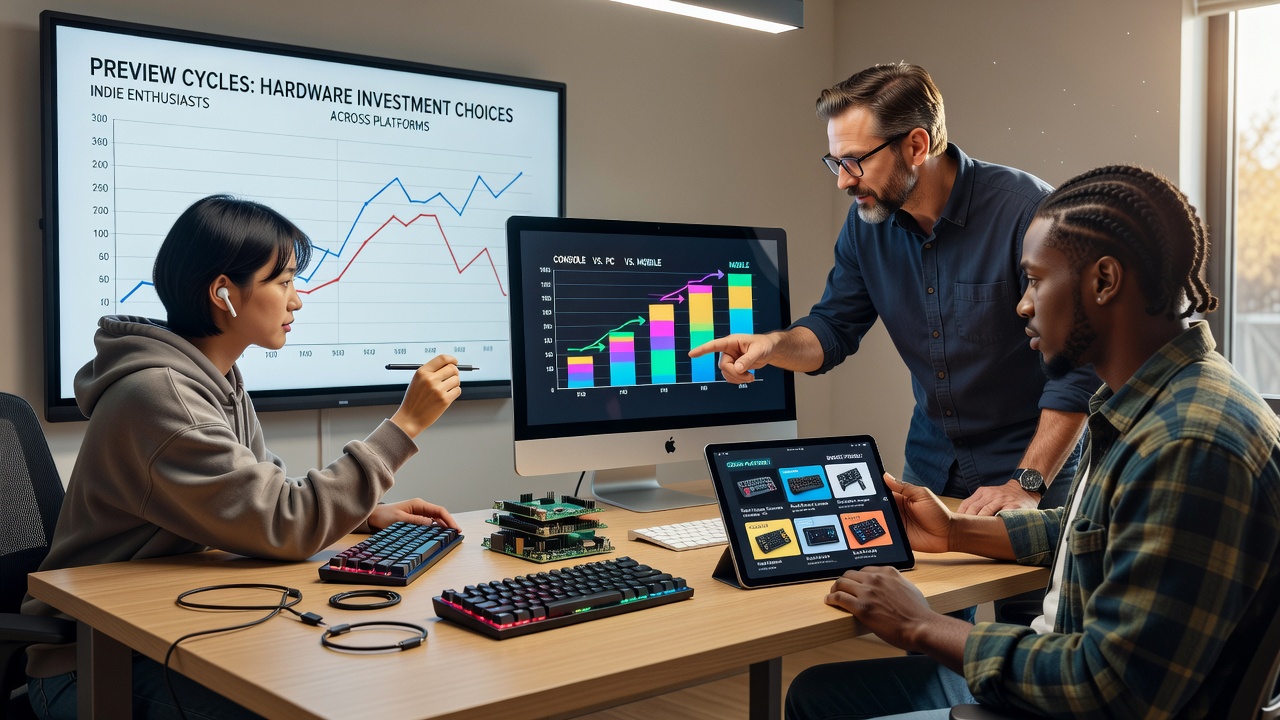
Enthusiasts in niche categories like experimental simulation or retro-inspired strategy titles often use preview cycles to assess how well their hardware supports unique features such as procedural generation or local multiplayer synchronization. Data shows that preview performance reports distributed through developer channels lead some users to invest in platform-specific peripherals that enhance accessibility options or storage for large asset libraries common in these genres. The International Game Developers Association has noted in its annual surveys that preview-driven hardware adjustments occur most frequently among players who maintain collections spanning multiple ecosystems, where compatibility gaps identified early steer selective rather than comprehensive spending.
Regional variations also appear in the data, with participants in North American markets showing stronger tendencies toward PC component upgrades following preview exposure, whereas European and Asian cohorts more frequently shift toward console or hybrid device investments when preview builds emphasize portability or shared-screen features. These patterns emerge from aggregated sales and survey information that links preview participation directly to investment timing without implying causation beyond observed correlations.
Conclusion
Preview cycles continue to function as informational gateways that shape hardware investment timing and focus among niche indie enthusiasts, with platform comparisons and performance benchmarks serving as primary drivers across PC, console, handheld, and mobile environments. Evidence from 2026 indicates sustained activity in this area as developers refine their preview strategies and participants refine their purchasing approaches accordingly, creating measurable intersections between early access phases and device acquisition trends in specialized gaming segments.