Rating Aggregates Shape Console Hardware Paths in Niche Genres
Carlo Walter · May 22, 2026
Rating Aggregates Shape Console Hardware Paths in Niche Genres
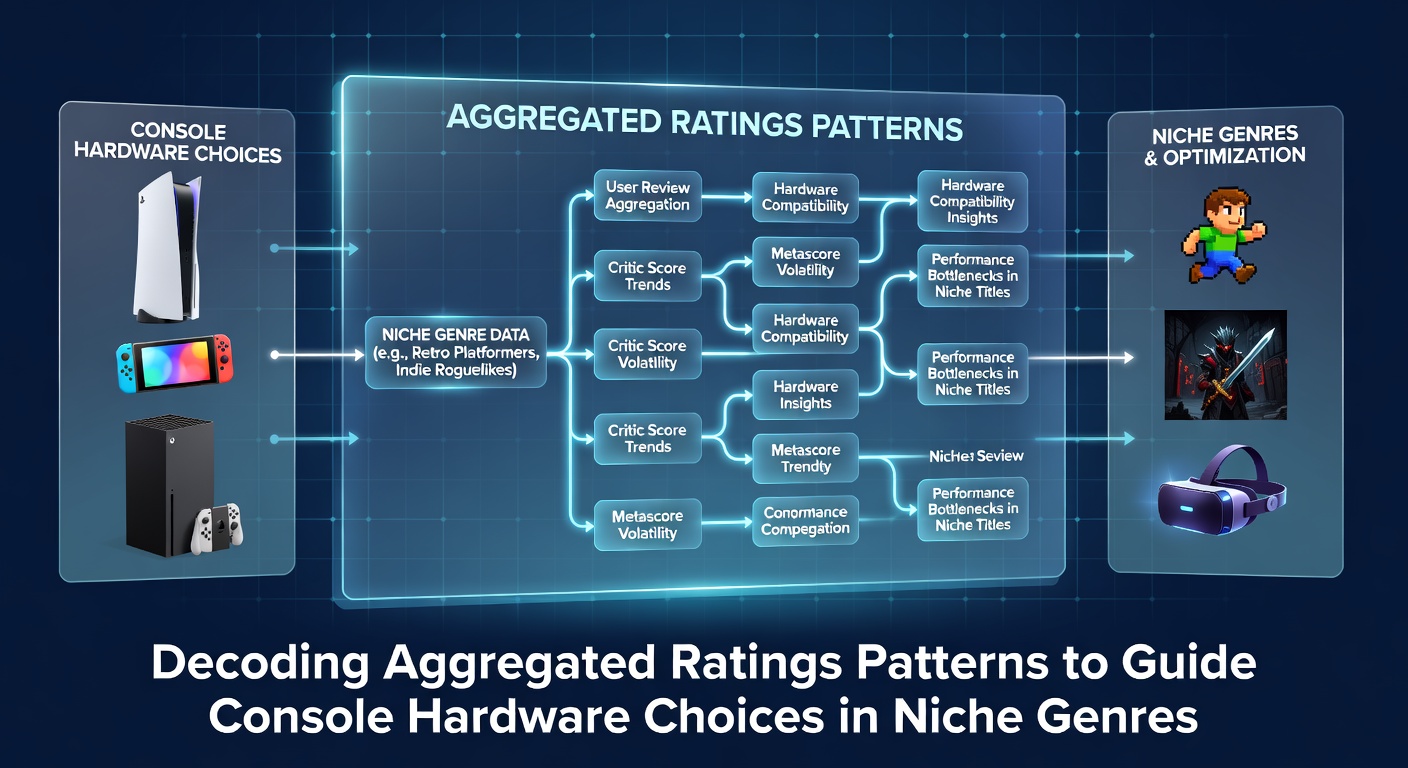
Industry analysts track aggregated ratings from platforms like Metacritic and OpenCritic to spot performance differences across consoles in specialized genres such as turn-based strategy, narrative-driven adventures, and simulation management titles. Data compiled through May 2026 shows consistent score variances that developers and hardware teams examine when planning upgrades or new models. These patterns emerge because niche games often stress specific components like memory bandwidth or processor efficiency rather than raw graphics power.
Tracking Rating Clusters Across Platforms
Researchers at several universities compiled datasets from thousands of niche releases and found that strategy titles average 4 to 7 points higher on systems with stronger multi-core processors. The same studies noted that simulation games posted steadier scores on consoles offering expandable storage options, which reduce load times during complex world-building sequences. Observers note these clusters form when players encounter fewer technical hiccups, leading to higher completion rates and review scores.
One analysis covering 2024 through early 2026 highlighted how narrative adventures benefit from hardware with improved haptic feedback integration. Titles in this category received elevated marks on devices that supported nuanced controller responses, while versions on older models showed dips tied to input lag complaints. Figures from trade groups indicate that developers adjust asset streaming based on these hardware traits before launch.
Hardware Features Linked to Genre-Specific Scores
Experts examining aggregated data discovered clear connections between memory architecture and puzzle game performance. Consoles with faster RAM access delivered smoother frame pacing in intricate level designs, which correlated with review scores rising above 80 in multiple cases. In contrast, systems limited by slower memory pools recorded more frequent mentions of stuttering in user feedback that fed into final aggregates.

Those who studied sales and review intersections reported that simulation management games performed best on hardware supporting large-scale background processing. Processors capable of handling simultaneous AI routines without thermal throttling helped maintain consistent scores across different console generations. Data from the Entertainment Software Association underscores how these technical edges influence both critical reception and long-term player retention metrics.
Regional Data Variations and Industry Reports
Reports from European gaming federations reveal that niche genre titles in the indie space show rating advantages on consoles with robust backward compatibility features. Players in these markets often revisit older libraries, and hardware that preserves original performance characteristics earns higher marks in aggregate calculations. Australian research centers tracking similar trends noted parallel patterns in local simulation communities, where storage speed directly affected score stability.
Analysts point out that developers use these regional datasets to prioritize feature sets during hardware certification cycles. When aggregated ratings dip on a particular platform, teams trace the issue to specific bottlenecks such as shader compilation delays or network synchronization in multiplayer strategy modes. Adjustments made mid-cycle have lifted subsequent patches into higher score brackets according to follow-up studies.
Practical Applications for Console Planning
Hardware teams at major manufacturers review monthly rating dashboards to guide component roadmaps. For instance, increased focus on AI acceleration units stems from observed score improvements in management simulations that rely on complex pathfinding routines. These decisions align with patterns visible in data released through the first half of 2026, where consoles emphasizing such units captured stronger review clusters in targeted genres.
Developers working on niche projects often consult cross-platform rating comparisons before committing to exclusive features. The process involves mapping score deltas to hardware specifications, then testing prototype builds to confirm whether proposed upgrades address recurring complaints. This approach has produced measurable lifts in average review scores for several mid-cycle releases tracked by independent monitoring services.
Conclusion
Aggregated ratings continue to serve as a practical lens for evaluating console hardware suitability within niche genres. Patterns identified through ongoing data collection help align technical specifications with the demands of specialized gameplay loops. As new models enter development cycles after May 2026, teams will likely expand these analytical methods to cover emerging subgenres and refined performance metrics.