Rating Data and Its Influence on Esports Infrastructure Allocations Across Platforms
Olivia Wagner · Aug 2, 2026
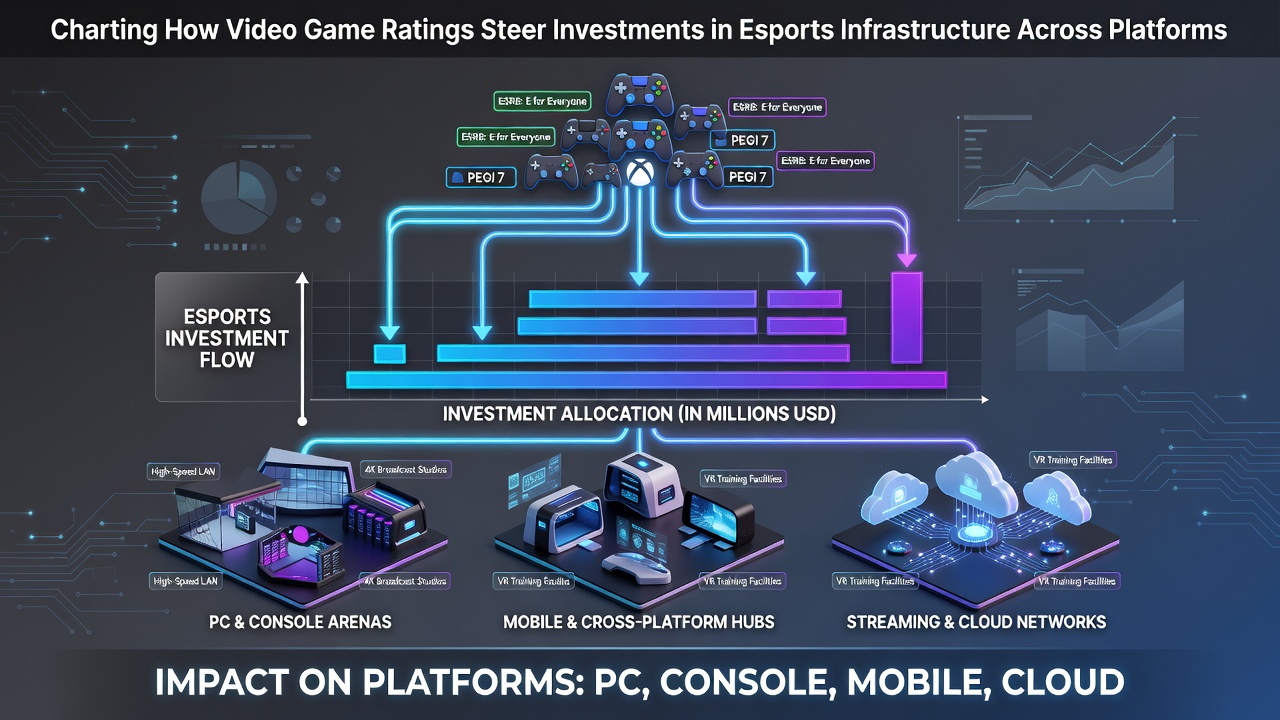
Rating Data and Its Influence on Esports Infrastructure Allocations Across Platforms
Data from multiple industry tracking services indicate that aggregated video game ratings have become a key input for decisions on where and how much to invest in esports facilities, training centers, and broadcast infrastructure across console, PC, and mobile ecosystems, and this pattern strengthened through August 2026 as platforms competed for organized play audiences.
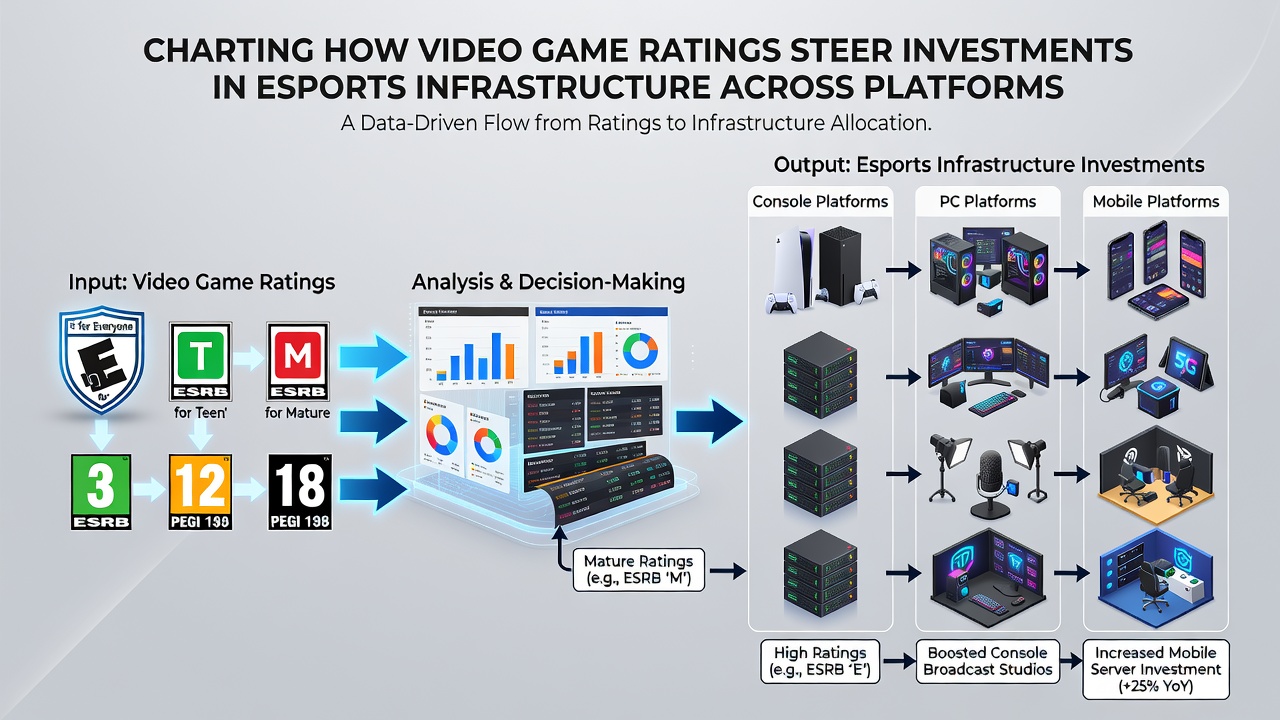
Analysts at research firms compile review scores from dozens of outlets, then cross-reference those numbers with tournament attendance figures and viewer metrics before presenting findings to investors and governing bodies, which in turn use the combined information to prioritize spending on arena upgrades or regional leagues.
Platform Differences in Rating Weight
Console manufacturers have tracked rating thresholds since the mid-2010s, yet the connection to infrastructure spending tightened after 2022 when several publishers tied bonus funding for venue construction to titles that maintained above-average critic scores on their hardware, while mobile operators adopted similar models later because their ecosystems rely more heavily on live-service metrics than traditional review aggregates.
PC esports circuits, by contrast, often operate through third-party organizers that publish their own valuation models, and these models treat Steam user scores and professional critic averages as separate but complementary signals when allocating sponsorship dollars to new arena builds or server expansions in specific cities.
Regional Investment Patterns Observed in 2026
Reports compiled by the Entertainment Software Association show that North American investors directed larger portions of capital toward console-based leagues in cities where flagship titles posted consistent scores above 80 on major aggregator sites, whereas European operators placed greater emphasis on mobile infrastructure when regional titles achieved strong cross-platform rating parity.
Academic researchers at the University of Sydney documented similar trends in the Asia-Pacific region, noting that rating divergence between mobile and console versions of the same game prompted targeted porting investments and venue construction in markets previously overlooked by global organizers.
Case Examples from Major Leagues
One prominent console league expanded its Midwest training facilities after three consecutive seasons of titles averaging 85-plus on review sites, while a separate mobile-focused circuit in Southeast Asia opened two new broadcast studios following data showing that high-rated games retained viewers longer and justified the added infrastructure cost.
These decisions followed internal models that weighted critic scores alongside player retention numbers, and the resulting facilities now host events that feed directly into larger international circuits.
Data Sources and Methodology Trends
Industry observers note that rating data alone rarely determines final spending amounts, yet it functions as an early filter that narrows candidate regions and genres before detailed financial modeling begins, and this filtering step has become more formalized since 2024 when several governing bodies adopted standardized reporting templates that include both review aggregates and viewership forecasts.
Publicly available datasets from trade associations and university research groups allow independent verification of these correlations, and the practice of publishing methodology notes alongside annual investment summaries has increased transparency for smaller organizers seeking similar funding pathways.
Conclusion
Video game rating aggregates continue to serve as measurable inputs within broader esports infrastructure planning processes, and the practice shows no sign of diminishing as platforms refine their data-sharing agreements with leagues and venue developers through the remainder of 2026 and beyond.