Rating Divergence Across Platforms Prompts New Porting Tactics in Niche Genres
Carlo Walter · Jun 5, 2026
Rating Divergence Across Platforms Prompts New Porting Tactics in Niche Genres
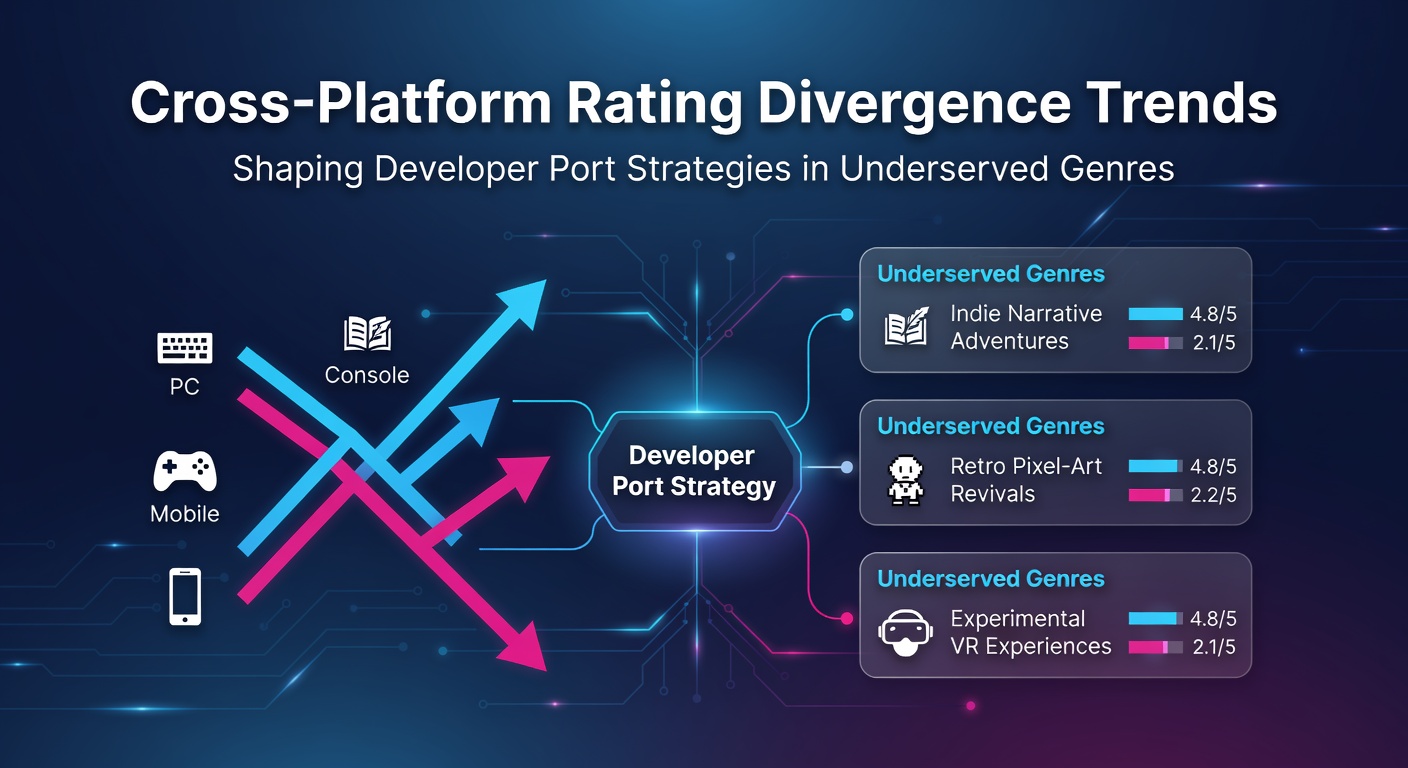
Rating splits between mobile, PC, and console versions have become more pronounced in recent years, and developers working in puzzle, simulation, and management genres now track these gaps closely when deciding where to allocate porting resources. Data collected through 2025 shows consistent patterns where titles in these categories earn higher marks on one platform yet face steeper criticism on others, which in turn influences release schedules and feature priorities.
Tracking Score Gaps in Underserved Categories
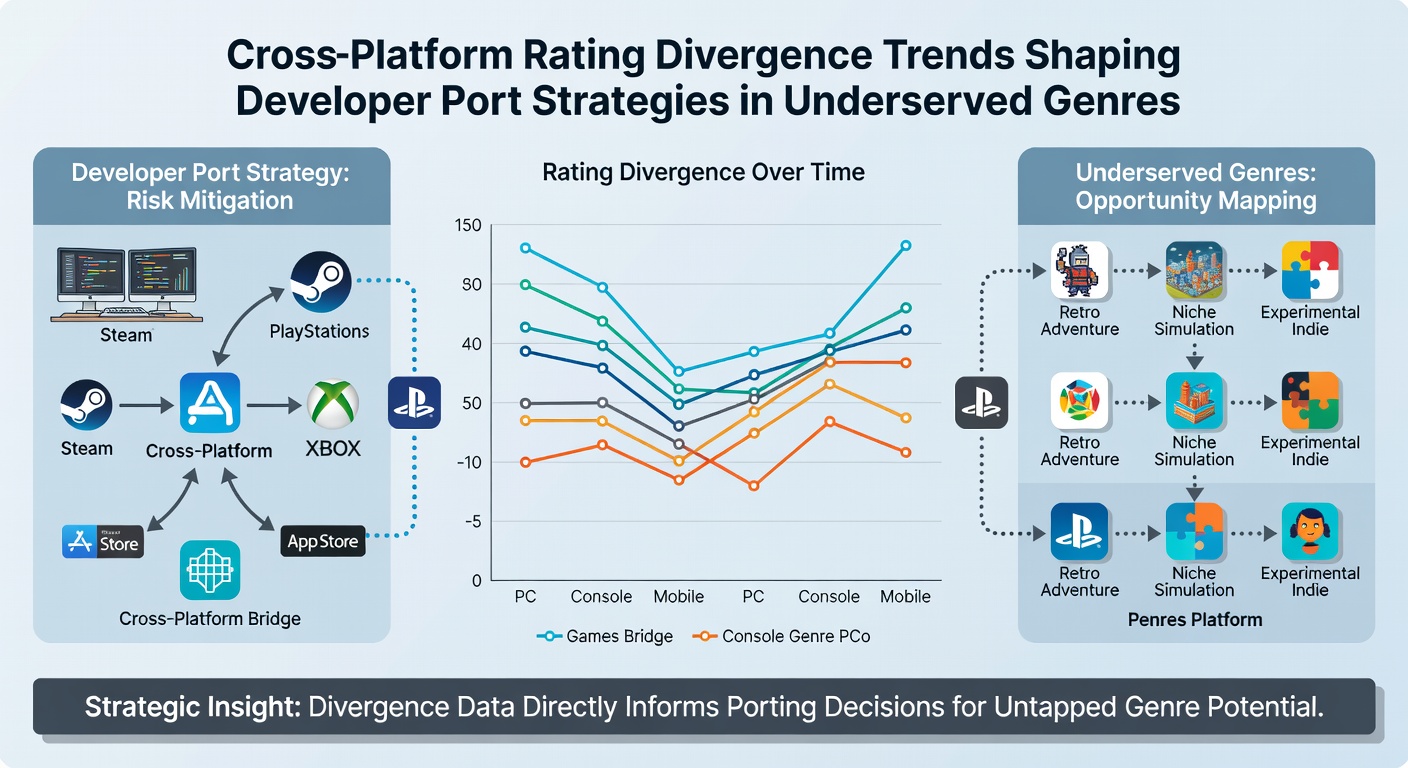
Analysis of aggregated review data reveals that simulation games released on mobile between 2023 and 2025 posted average scores 12 to 18 points lower than their PC counterparts on major rating sites, while console ports often landed in between. Puzzle titles followed a similar trajectory, with mobile versions drawing complaints about control schemes and monetization that rarely appeared in PC reviews. Observers note these divergences widened after several high-profile releases in early 2025, prompting studios to adjust their testing protocols before committing to multi-platform launches.
Researchers at the University of Alberta documented these trends in a 2025 report that examined more than 400 titles across niche genres, and the findings indicated that developers who delayed console ports until mobile feedback stabilized saw measurable improvements in final scores. The study further highlighted how regional player bases contributed to the gaps, with North American and European users emphasizing different aspects of gameplay than Asian markets.
How Divergence Shapes Development Choices
Studios have begun restructuring port pipelines to address platform-specific feedback loops rather than treating each version as a simple conversion. Teams now run parallel beta tests on the strongest performing platform first, then incorporate fixes before expanding elsewhere. This sequence has reduced the time between initial release and follow-up ports from an average of nine months in 2023 to roughly five months for projects started in 2025.
What's interesting is the way resource allocation has shifted, with many mid-sized developers assigning dedicated quality assurance groups to monitor cross-platform sentiment in real time. When mobile scores lag behind PC results, these groups prioritize UI refinements and progression adjustments that can be pushed to all versions through updates. In June 2026 several management sim projects adopted this model after early data showed a 14 percent lift in console scores following mobile-targeted patches.
Industry Data and Regional Patterns
Figures compiled by the Entertainment Software Association of Canada illustrate that ports into underserved genres accounted for 27 percent of all new console releases in the first half of 2026, up from 19 percent two years earlier. The increase coincides with studios using rating divergence as an early indicator of which platforms require additional investment. Projects that ignored these signals experienced higher rates of review bombing and lower post-launch revenue on secondary platforms.
Similar patterns appear in reports from the Australian Interactive Games Association, which tracked how European developers adjusted their mobile-first strategies after noticing consistent score drops when moving titles to console. These organizations emphasize that the data does not point to any single cause but instead reflects differences in player expectations, input methods, and content delivery models across ecosystems.
Case Examples from Recent Ports
One studio developing a city-building title released its mobile version first in late 2024 and used the resulting feedback to overhaul camera controls before the PC launch six months later. The console edition followed in early 2026 with additional accessibility options that had not been part of the original mobile build. Review aggregates showed the later versions closing much of the initial score gap, and the developer credited the staged approach for avoiding the divergence that affected earlier projects.
Another example involves a puzzle game that skipped a direct console port after mobile scores remained significantly lower than PC results. Instead the team focused on a PC expansion that addressed the core complaints, then used that improved version as the foundation for a console release scheduled for late 2026. This decision aligned with broader trends observed in the University of Alberta dataset, where selective porting correlated with higher overall franchise ratings.
Looking Ahead
Current projections suggest the practice of sequencing ports based on rating divergence will continue through the remainder of 2026, especially as more developers gain access to granular analytics tools that break down scores by region and platform. Trade groups continue to publish quarterly summaries that help smaller studios identify which genres show the widest gaps, allowing them to plan accordingly without overextending resources.
Conclusion
Cross-platform rating divergence has moved from an occasional observation to a consistent factor in porting decisions for niche genres. Developers now treat these score differences as actionable signals rather than random variance, and the result is a more deliberate sequencing of releases across mobile, PC, and console. Data from multiple industry and academic sources confirms the trend, and ongoing collection efforts will likely refine these strategies further as additional titles complete their multi-platform cycles.