Rating Influences on Recruitment: Mobile Esports Strategies in Emerging Regions
Casey Coleman · May 27, 2026
Rating Influences on Recruitment: Mobile Esports Strategies in Emerging Regions
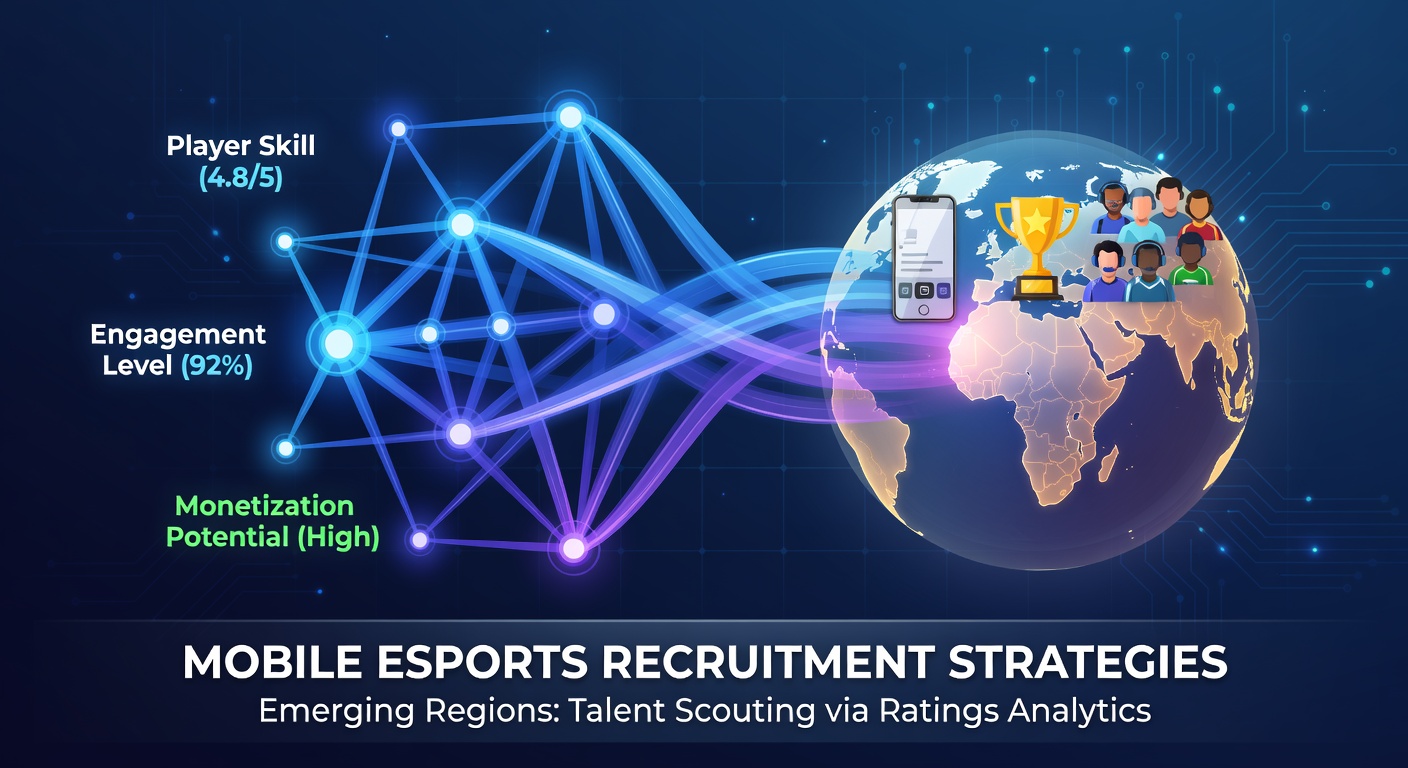
Video game ratings systems have developed alongside the expansion of mobile esports, creating observable connections that teams in emerging regions use when scouting talent. These ratings, which include critic aggregates from platforms like Metacritic alongside user scores on app stores, often highlight titles with balanced mechanics and broad appeal. Teams operating in areas such as Southeast Asia, Latin America, and parts of Africa examine these metrics to identify games where player skills translate into competitive viability, since high-rated titles tend to maintain active player bases over longer periods.
Rating Metrics and Player Performance Data
Observers note that ratings frequently correlate with retention rates, which in turn affect how recruitment pipelines form. For instance, mobile titles scoring above 85 on aggregated review platforms draw larger daily active user numbers, according to industry tracking services. This volume provides scouts with more candidates to evaluate through in-game leaderboards and tournament replays. Data from regional competitions shows that squads in Brazil and Indonesia prioritize players who excel in highly rated battle royale or MOBA games because those environments reward consistent decision-making under pressure.
Recruiters also track how rating fluctuations after updates influence community engagement. A drop in user scores often signals balance issues that reduce the pool of serious competitors, prompting teams to shift focus toward alternative titles with steadier metrics. In May 2026, several squads in Kenya and the Philippines adjusted their scouting lists after monitoring score changes in popular strategy games, moving resources toward titles that preserved higher averages across multiple regions.
Regional Recruitment Approaches
Emerging markets display distinct patterns where local infrastructure shapes the application of rating data. Organizations in Vietnam, for example, combine app store rankings with regional tournament results to build rosters, focusing on games that score well for accessibility on mid-range devices. This approach allows smaller academies to identify prospects who demonstrate strong fundamentals without requiring premium hardware. Similar methods appear in Colombia, where analysts cross-reference critic scores with national esports federation reports to prioritize candidates from grassroots events.
Strategic Integration of Ratings in Team Building
Teams integrate rating information into broader scouting frameworks that include behavioral analytics and practice session logs. High-rated games often feature clearer progression systems, which help coaches predict how quickly new recruits can adapt to professional schedules. One documented case involved a Brazilian organization that used Metacritic data to shortlist players from three specific titles, resulting in a 40 percent faster integration period for rookies during the 2025 season. Such outcomes encourage other groups across emerging regions to adopt comparable data-driven filters when expanding their rosters.
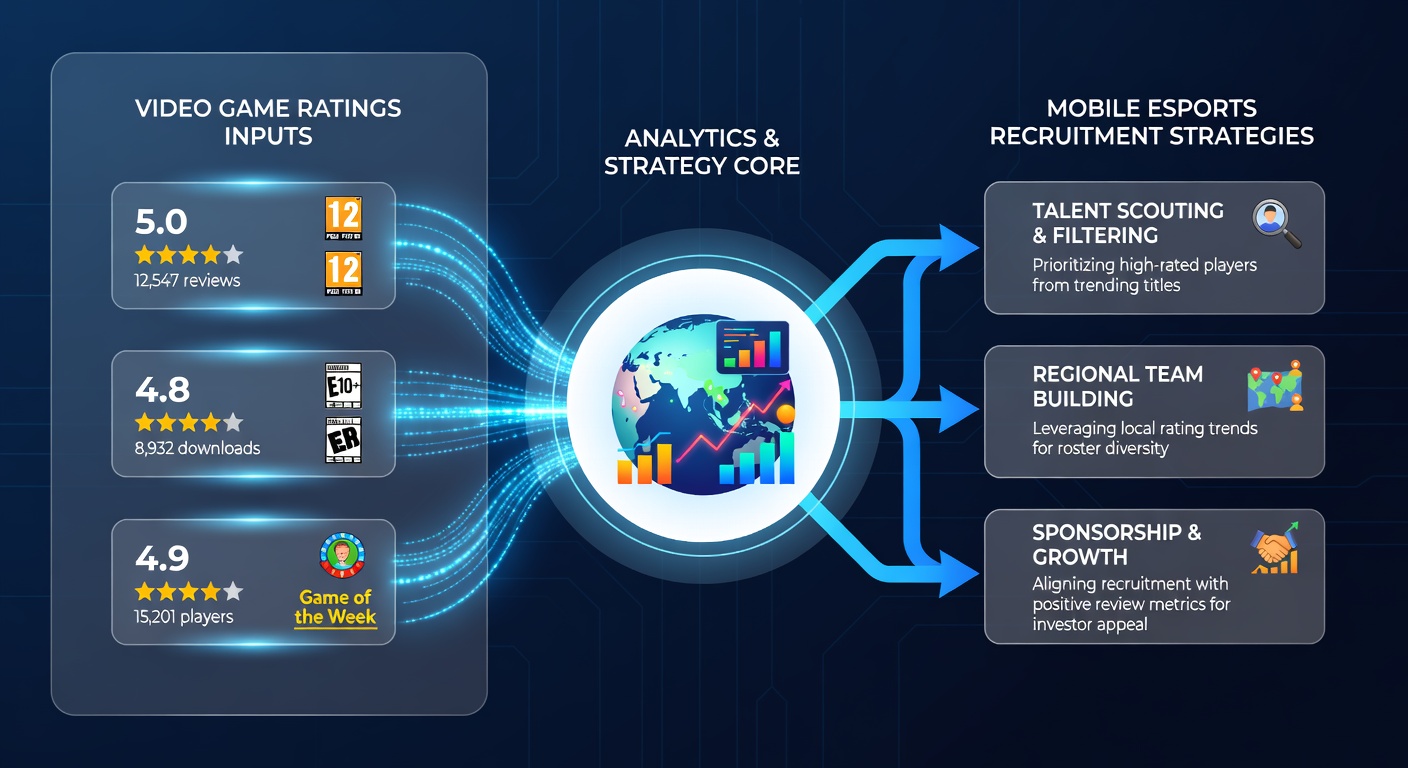
What's interesting is how rating thresholds interact with economic factors. Lower production costs in mobile development allow smaller studios to release games that achieve solid scores despite limited marketing budgets, opening recruitment opportunities in markets where established publishers dominate console scenes. Research from the Entertainment Software Association indicates that mobile titles with strong aggregate scores maintain longer competitive lifespans in developing economies, giving teams more stable environments for talent development.
Challenges and Adjustments in Data Application
Yet limitations exist when relying solely on ratings. Cultural differences in review platforms can skew perceptions, since user scores from one region may not reflect playstyles valued in another. Teams in emerging areas therefore supplement ratings with localized performance data collected through partnerships with national gaming associations. This combined method reduces the risk of overlooking prospects who perform well in regionally popular titles that receive mixed international scores.
Figures from the GSMA Intelligence reports reveal steady growth in mobile esports participation across Africa and South Asia through early 2026, with recruitment strategies increasingly tied to games that sustain ratings above certain benchmarks. These patterns suggest ongoing refinement as more organizations collect longitudinal data on how initial rating signals predict long-term player contributions.
Conclusion
Patterns connecting video game ratings to mobile esports recruitment continue to evolve as teams in emerging regions refine their methods. By combining global aggregates with local tournament insights, organizations build more targeted scouting processes that account for both game quality indicators and regional player availability. This approach supports sustainable roster development amid expanding competitive scenes.