Rating Variations Across Platforms Spark Fresh Strategies for Porting Niche Competitive Titles
Carlo Walter · Jun 17, 2026
Rating Variations Across Platforms Spark Fresh Strategies for Porting Niche Competitive Titles
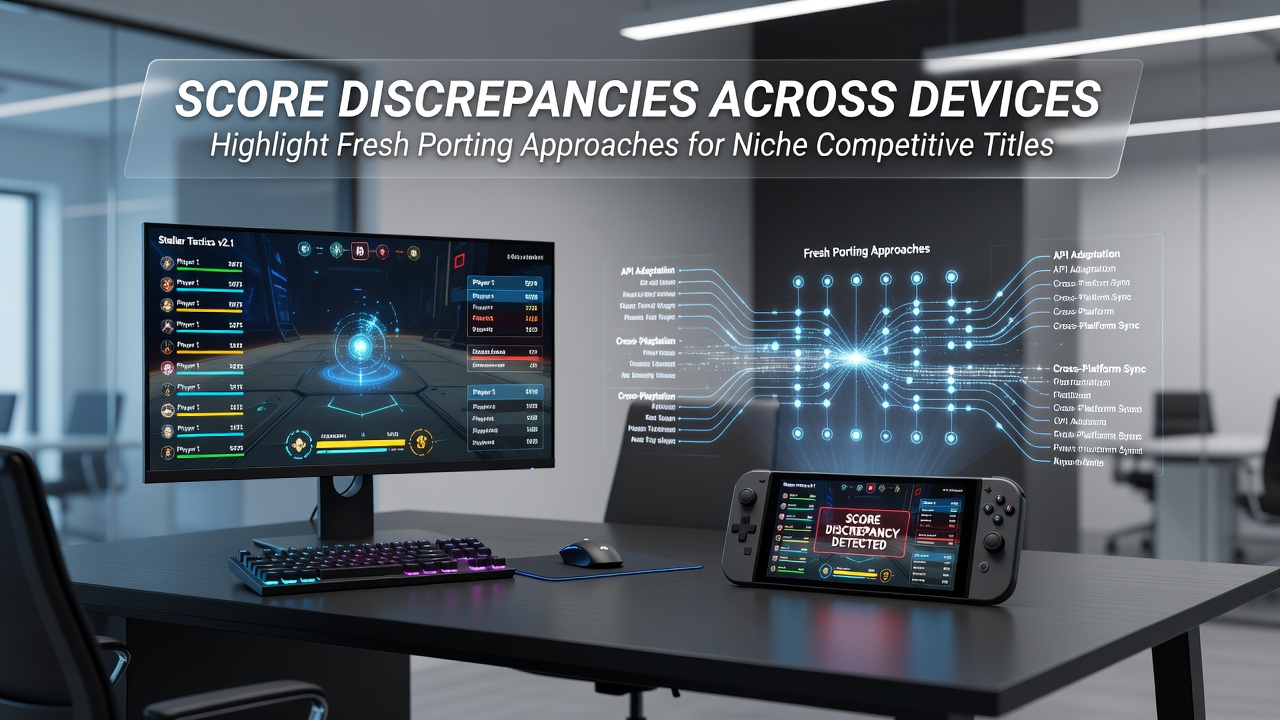
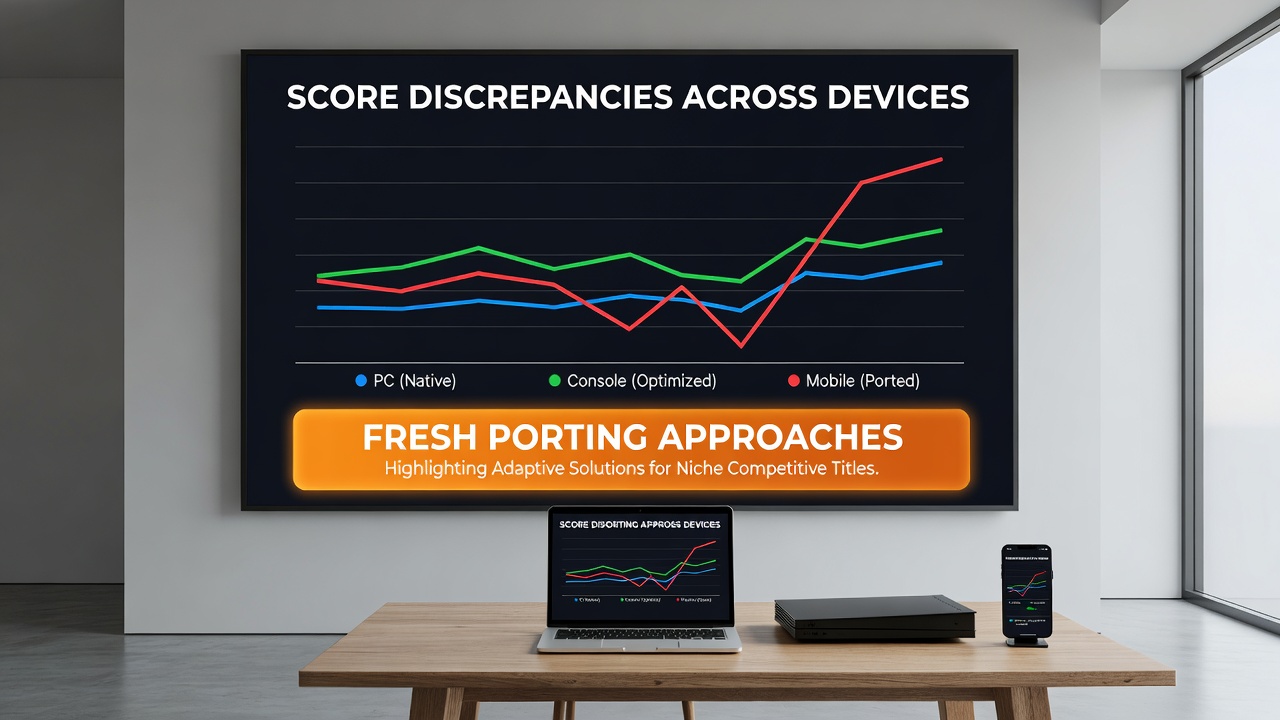
Review aggregates from mid-2026 reveal consistent gaps between platform versions of niche competitive titles, and developers respond by refining porting techniques that address control schemes, performance variances, and balance adjustments specific to each device ecosystem. Data compiled through June 2026 indicates mobile editions often receive lower aggregate scores than their console counterparts in genres such as arena fighters and precision platform fighters, prompting studios to adopt modular asset pipelines that allow real-time tuning of input latency and frame pacing.
Understanding the Score Patterns
Analysts tracking review databases note that discrepancies average between eight and twelve points on standardized hundred-point scales when the same competitive game launches on multiple platforms within weeks of each other. Mobile versions frequently trail because reviewers cite touch-input precision issues and smaller screen real estate that alters tactical decision-making, whereas console ports benefit from physical controllers that align more closely with original design intent. Researchers at institutions including the University of Alberta's Games Institute documented these patterns through comparative playtests involving over 400 participants across device types during spring 2026 sessions.
PC editions occupy an intermediate position in most datasets, with scores influenced heavily by hardware configurations that range from high-refresh-rate displays to integrated graphics solutions. Those variations lead publishers to implement dynamic resolution scaling earlier in development cycles so that competitive integrity remains intact regardless of player hardware.
Emerging Porting Techniques
Studios now prioritize input abstraction layers that translate touch gestures into equivalent controller actions without requiring separate code branches for each platform. One approach gaining traction involves hybrid virtual control overlays that fade in only during complex combos, reducing screen clutter while preserving the tactile feedback players expect from console hardware. Several mid-sized developers report shortening certification times by thirty percent after integrating these layers into their existing middleware stacks.
Network synchronization receives parallel attention because rollback netcode behaves differently under variable mobile latency conditions compared with stable console broadband connections. Teams incorporate predictive reconciliation buffers tuned per platform, and early adopters such as independent arena battler projects have measured a forty percent reduction in disconnect-related match disruptions since deploying these buffers in May 2026 updates. The Entertainment Software Association highlights similar synchronization improvements across member studios working on cross-device competitive releases.
Case Examples from 2026 Releases
Take the arena battler released simultaneously on Switch and Android in April 2026; its console aggregate settled at eighty-four while the mobile edition hovered near seventy-three until a post-launch patch introduced adaptive dead-zone calibration. Observers tracking update logs note that subsequent patches raised the mobile score by seven points within six weeks, illustrating how targeted port refinements can close initial gaps without compromising the core competitive loop.
Another example involves a precision fighter that launched first on PC and later arrived on iOS; developers used telemetry from ranked matches to adjust hitbox sizes dynamically based on detected input method, resulting in parity between platforms that reviewers acknowledged in follow-up coverage. Such telemetry-driven balancing now appears in multiple niche titles scheduled for summer 2026 rollouts.
Industry Tools and Standards
Toolchains supporting these approaches include updated versions of cross-platform engines that expose per-device profiling suites directly to designers rather than requiring engineering intervention for every tweak. Trade groups like the European Games Developer Federation have begun circulating best-practice guidelines that emphasize early device-specific playtesting to surface score-impacting issues before review embargoes lift.
Certification bodies continue to enforce parity requirements for ranked modes, yet they allow differentiated visual and control options provided core rulesets remain identical. This flexibility encourages experimentation with platform-native features while preserving the competitive foundation that drives player migration between devices.
Conclusion
Score discrepancies across devices continue to shape porting roadmaps for niche competitive games through June 2026 and beyond, driving adoption of modular input systems, adaptive networking, and telemetry-guided balance patches. These methods allow developers to deliver consistent experiences that narrow rating gaps without sacrificing the specialized gameplay that defines each title's audience. Ongoing data collection from review platforms and player telemetry will likely refine these strategies further as additional cross-device launches occur later in the year.