Regional Score Variations Guide Esports Sponsorship Decisions for Indie Titles on PC and Mobile
Rafael Griffin · Jun 21, 2026
Regional Score Variations Guide Esports Sponsorship Decisions for Indie Titles on PC and Mobile
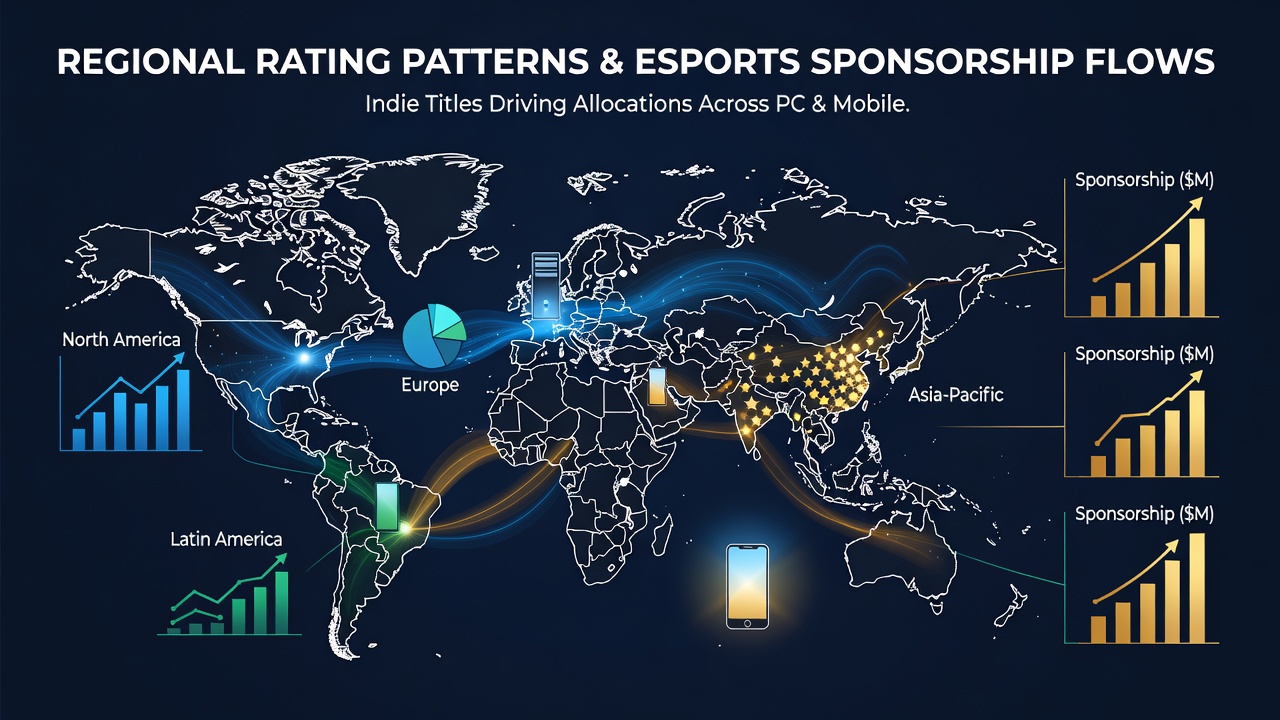
Regional rating patterns in indie titles have begun shaping how esports sponsorship money flows between PC and mobile platforms, with data from mid-2026 highlighting clear allocation shifts. Observers note that score differences by region often determine which titles receive backing from major brands, particularly when developers target cross-platform esports circuits. Research indicates these patterns emerge from aggregated review data that sponsors consult before committing funds, and the trends appear most pronounced in competitive indie scenes where margins for investment remain tight.
Platform-Specific Rating Influences
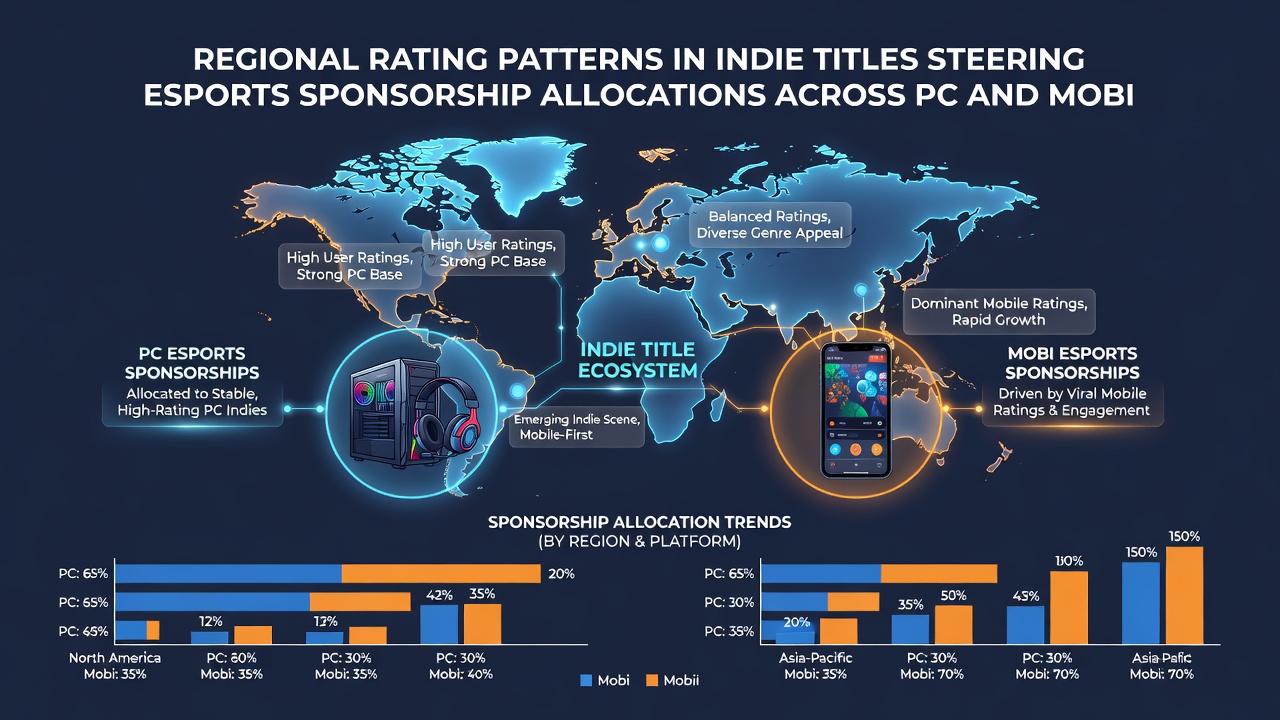
PC indie titles frequently post higher aggregate scores in Western markets compared to mobile counterparts, yet mobile versions often outperform in Asia according to figures released in June 2026. Sponsors adjust their commitments accordingly, directing larger portions of budgets toward platforms where regional approval aligns with audience engagement metrics. Data shows that when an indie game earns strong ratings in one territory but weaker ones elsewhere, allocation decisions pivot toward the stronger market, and this holds true for both PC tournaments and mobile league events. Those who've tracked these movements point out that such steering avoids dilution of sponsorship impact across underperforming regions.
North American and European Trends
In North America and Europe, PC-based indie esports titles attract sponsorship when review aggregates exceed certain thresholds, while mobile entries require additional proof of sustained player retention. Studies from the Entertainment Software Association reveal that these regional score gaps prompt companies to prioritize PC circuits in established markets, whereas mobile investments shift toward emerging talent pools. Yet sponsors maintain flexibility, reallocating portions of budgets when mobile titles demonstrate consistent performance across multiple review cycles. This approach keeps funding tied directly to measurable rating outcomes rather than broad assumptions about platform popularity.
Asian Market Dynamics and Allocation Shifts
Asian regions present a contrasting picture where mobile indie titles often secure higher regional ratings, leading sponsors to channel resources into mobile esports events over PC alternatives. June 2026 reports from industry trackers show sponsorship dollars moving toward mobile platforms in markets where score patterns favor fast-paced competitive formats common on handheld devices. PC titles, meanwhile, receive support mainly when they achieve crossover appeal through ports that maintain or improve those regional scores. Researchers discovered that this regional divergence encourages developers to optimize indie projects for mobile first in Asia, while maintaining parallel PC development tracks to capture additional funding streams. The result appears in tournament calendars where mobile brackets now feature more sponsored indie matchups than in previous years.
One study from the European Games Developer Federation tracked how rating variations across platforms influenced funding decisions, finding that sponsors reduced PC commitments in regions where mobile scores climbed steadily. Instead, those funds moved into mobile league support where audience metrics aligned with the higher ratings. This pattern repeats across several indie genres, from strategy games to action titles, and it continues to affect how organizers structure prize pools and event schedules.
Emerging Data Patterns in June 2026
Figures compiled through June 2026 indicate that indie titles with balanced regional ratings across PC and mobile secure more diversified sponsorship portfolios than those concentrated in single-platform strengths. Allocation models used by brands now incorporate these score differentials as primary variables, and analysts observe measurable changes in contract structures. Titles that close rating gaps between regions often attract multi-platform deals, whereas persistent divergences push sponsors toward narrower investments. Academic work from Canadian research institutions supports these observations, showing that sponsorship decisions increasingly reference public review aggregates before finalizing budgets for esports activations.
Developer Responses and Tactical Adjustments
Developers respond to these patterns by monitoring regional score trends during early access phases, adjusting features that influence ratings on specific platforms. When mobile scores lag in certain territories, teams prioritize updates that address local preferences, which in turn affects subsequent sponsorship interest. PC-focused adjustments follow similar logic when data indicates stronger potential in Western markets. Sponsors track these changes closely, using updated rating information to refine allocation percentages between PC and mobile esports circuits throughout the year.
Conclusion
Regional rating patterns continue directing esports sponsorship allocations for indie titles on PC and mobile platforms, with evidence from multiple sources confirming the influence of score variations on funding flows. Data compiled through mid-2026 demonstrates that sponsors base decisions on these regional and platform-specific differences rather than uniform strategies, resulting in more targeted investments across competitive circuits. The patterns establish clear pathways for how indie developers and organizers can position projects to align with available sponsorship resources.