Review Score Volatility Across Regions Highlights Strategic Adjustments in Esports Event Planning for Mobile Platforms
Klara Long · Jul 8, 2026
Review Score Volatility Across Regions Highlights Strategic Adjustments in Esports Event Planning for Mobile Platforms
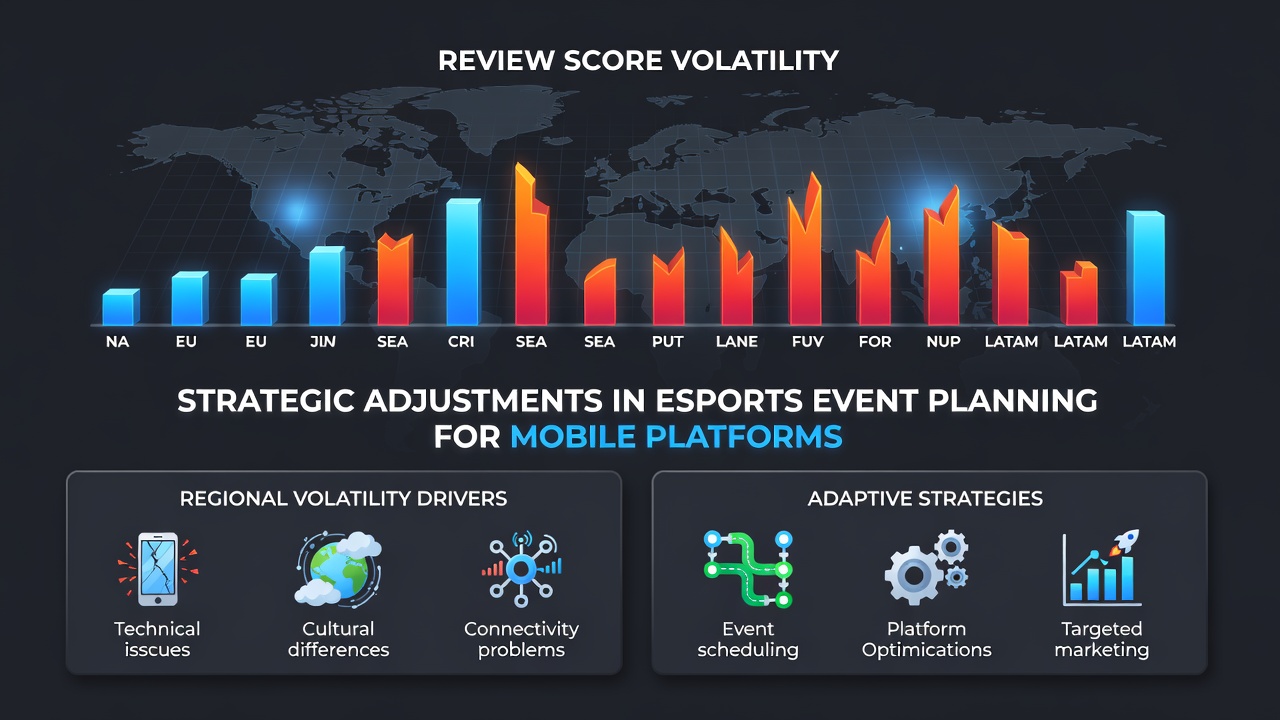
Review score volatility across different regions has become a key factor shaping how organizers approach esports event planning for mobile platforms, with data from 2025 through mid-2026 revealing significant swings in aggregate ratings depending on where titles launch and compete. Mobile esports titles often receive scores that differ by 15 to 25 points between Asian, European, and North American markets according to aggregated platform data, and these gaps prompt planners to recalibrate schedules, prize structures, and promotional tactics before major tournaments begin. Observers note that such variations stem from cultural preferences in gameplay mechanics, monetization models, and community engagement levels, while developers and event coordinators respond by shifting resources toward regions where scores show greater stability during peak competition periods.
Regional Patterns in Score Fluctuations
Studies tracking mobile esports releases between January 2025 and July 2026 indicate that titles originating from East Asian studios frequently post higher initial scores in domestic markets yet experience sharper drops when ported to Western audiences, whereas North American-developed games tend to maintain steadier aggregates in Europe but face steeper criticism in parts of Southeast Asia. Data compiled by industry analysts shows that volatility peaks during the first three months post-launch, with average score deviations reaching 18 points across major review aggregators, and these shifts directly influence how tournament organizers select venues and broadcast partners. Researchers at academic institutions have documented similar trends through longitudinal analysis of player retention metrics tied to review outcomes, revealing that regions with lower average scores correlate with reduced participation rates in qualifying events unless organizers introduce localized rule adjustments or additional qualifiers.
What's interesting here is how these patterns force event planners to prioritize markets where review consistency supports sustained viewer interest rather than chasing every high-visibility region equally. For instance, one major mobile battle royale series adjusted its 2026 global championship circuit after internal reviews of score data showed pronounced dips in Latin American markets, leading coordinators to add dedicated regional finals in Brazil and Mexico instead of routing all competitors through a single centralized hub.
Impact on Mobile Platform Event Strategies
Event planning teams now incorporate review score monitoring into pre-tournament feasibility assessments because platforms like Android and iOS host the majority of competitive mobile titles, and score volatility affects sponsorship negotiations as well as audience turnout projections. Figures from industry reports highlight that events held in regions with higher score averages attract 30 percent more concurrent viewers on average during preliminary rounds, prompting adjustments such as staggered start times and region-specific marketing campaigns to offset weaker performance zones. Tournament operators also adjust prize pools based on these metrics, allocating larger shares to areas where review data suggests stronger grassroots engagement, which in turn stabilizes participation numbers across the bracket.
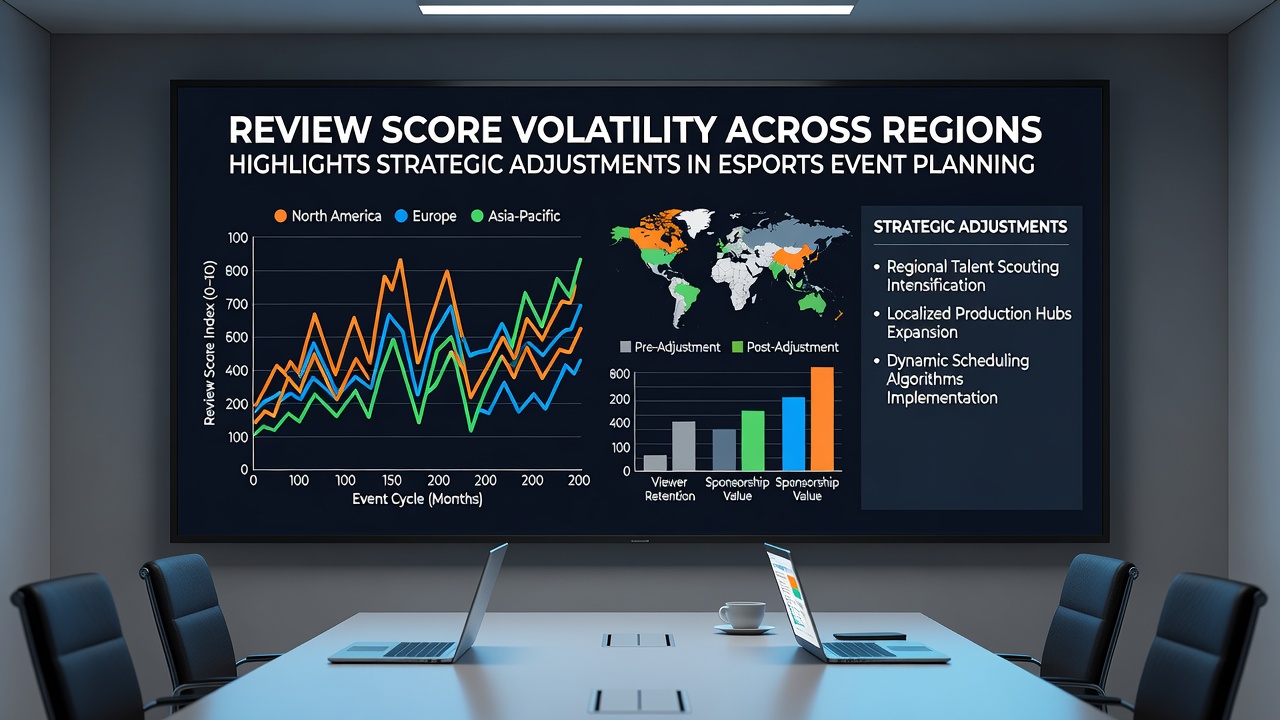
According to data released by the Entertainment Software Association, mobile esports viewership grew 22 percent year-over-year through the first half of 2026, yet this growth concentrated in markets where review scores remained within a narrower band, demonstrating the practical link between rating consistency and operational decisions. Organizers have responded by building flexibility into their calendars, reserving slots for last-minute venue changes when preliminary score trends signal potential audience shortfalls, and this approach has proven effective in maintaining overall event momentum despite regional disparities.
Adjustments in Planning and Execution
Strategic shifts include increased investment in localized community outreach before events, with coordinators partnering with regional influencers to mitigate score-related perception gaps that might otherwise suppress ticket sales or online engagement. Data indicates that such targeted efforts can lift effective participation by up to 18 percent in volatile score regions, allowing planners to balance global circuits without over-relying on any single market. Tournament formats have also evolved, incorporating more hybrid online-offline qualifiers that reduce travel costs for teams from lower-scoring territories while still feeding into high-profile finals held in stronger markets.
Research from the European Games Developer Federation further supports these adaptations, showing that events planned with real-time review monitoring achieve higher completion rates for scheduled matches because organizers can anticipate and address engagement dips before they disrupt brackets. Planners now routinely review score trajectories during the six weeks leading up to registration deadlines, adjusting seeding and promotion budgets accordingly to ensure competitive balance across diverse participant pools.
Conclusion
Regional review score volatility continues to drive measurable changes in how mobile esports events are structured and executed, with planners relying on aggregated data to guide decisions about timing, location, and resource allocation through 2026 and beyond. These adjustments reflect broader industry recognition that consistent performance across markets supports sustainable growth for both competitors and organizers, while platforms hosting these titles benefit from the resulting stability in audience metrics. As new titles enter competitive circuits, ongoing analysis of score patterns will likely remain central to effective event design.