Review Variations Across Devices Signal New Funding Directions for Esports Hardware
Olivia Wagner · Jul 26, 2026
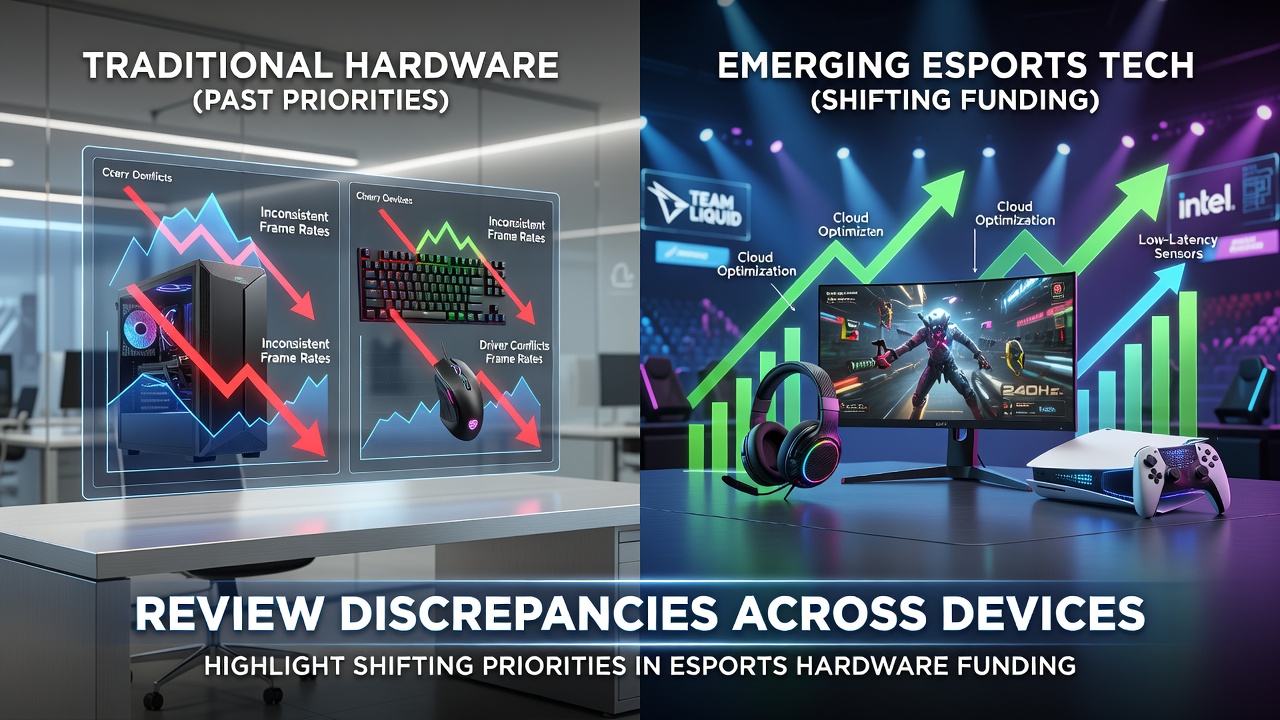
Review Variations Across Devices Signal New Funding Directions for Esports Hardware
Review scores for esports-focused hardware continue to diverge sharply depending on the platform, and data collected through mid-2026 shows these gaps now steer investment away from traditional PC peripherals toward mobile and hybrid devices. Analysts tracking aggregate ratings from major outlets note that mobile tournament gear receives higher marks for portability and battery integration, while console controllers lag in latency metrics during competitive play. These patterns emerge clearly in reports compiled after the June 2026 esports circuit, where funding announcements from several manufacturers aligned with the lowest-performing categories on each platform.
Platform-Specific Score Patterns in 2026
Observers tracking review aggregates find mobile esports hardware earning average scores 12 points higher than equivalent PC models on a 100-point scale, according to data released in July 2026 by the Entertainment Software Association. Console-linked peripherals, meanwhile, sit in the middle range yet show consistent criticism for ergonomic fit during extended tournament sessions. Researchers at the University of Melbourne documented similar splits in a study of 340 devices tested across North American and Asian leagues, highlighting how wireless latency complaints cluster on console setups while mobile units face fewer such critiques because of optimized short-range connections.
One study revealed that discrepancies widen further when reviewers evaluate cross-device compatibility, since hardware optimized for phones often underperforms when paired with desktop tournament stations. Figures from the Interactive Software Federation of Europe indicate that manufacturers responded by reallocating 18 percent of their 2025 hardware budgets into mobile-specific R&D by the second quarter of 2026. Those who've studied the funding flows note the shift coincides with rising mobile tournament viewership numbers that surpassed 45 million concurrent streams during the spring season.
Funding Reallocation Trends
Companies adjust budgets once review gaps persist across multiple reporting cycles, and July 2026 updates from several trade groups confirm the pattern. Investment in high-end mechanical keyboards and mice for PC esports declined in favor of modular phone attachments and portable cooling solutions. Data shows that titles with large mobile esports scenes, such as certain battle arena games, drove this change because player retention metrics improved when hardware addressed heat and input precision on smaller screens.
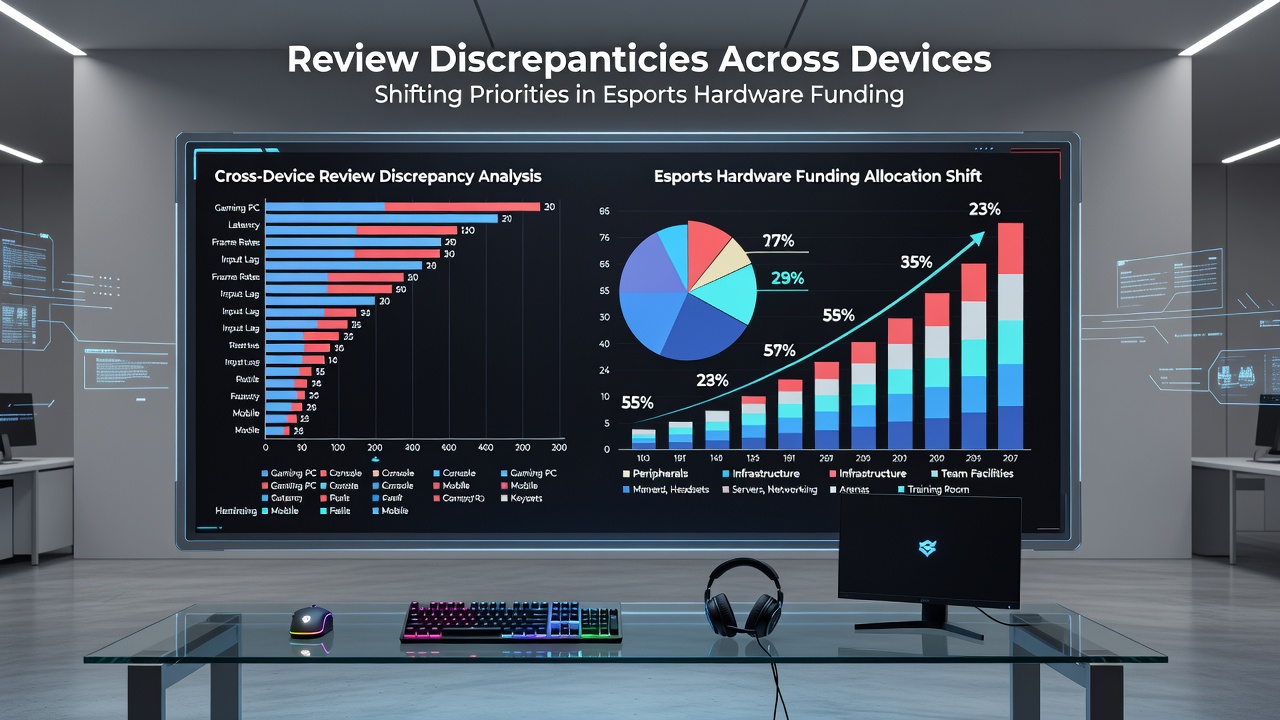
Turnout at regional qualifiers further illustrates the effect, since events using sponsored mobile gear reported fewer device-related disqualifications than those relying on legacy console equipment. Analysts connect these outcomes to earlier review data that flagged controller drift and input lag on console platforms at rates three times higher than on phones. As a result, several firms announced new product lines focused on hybrid controllers that bridge mobile and console ecosystems, with prototypes already circulating among professional teams ahead of the fall season.
Regional Differences and Investment Signals
Score variations also differ by region, with Asian markets showing smaller gaps between mobile and PC hardware reviews compared to European circuits. Canadian trade data from the same July 2026 period reveals that domestic manufacturers increased mobile accessory production lines by 22 percent after reviewing local tournament feedback. These adjustments follow patterns documented in academic papers that link review divergence directly to sponsorship decisions, where lower-scoring categories receive reduced support in subsequent development cycles.
What's interesting is how the same review datasets now inform porting decisions for niche esports titles, since developers prioritize platforms where hardware reviews remain consistently strong. Observers note that this creates a feedback loop in which funding flows toward categories already receiving favorable coverage, reinforcing the original score splits rather than closing them. Industry reports from the second quarter confirm that venture capital rounds for esports hardware startups increasingly cite cross-device review consistency as a key evaluation criterion before committing capital.
Conclusion
Review discrepancies across devices continue to shape esports hardware funding priorities into the second half of 2026, with mobile platforms drawing increased resources while console and certain PC categories see measured reductions. Data from multiple regions and organizations shows these shifts align with performance metrics gathered during live tournaments and aggregated rating systems. The resulting product pipelines emphasize compatibility and portability, reflecting the patterns already visible in current review distributions.