Sticking Around or Dropping Out: Data Reveals Loyalty Patterns in Game Subs
Rafael Griffin · Apr 24, 2026
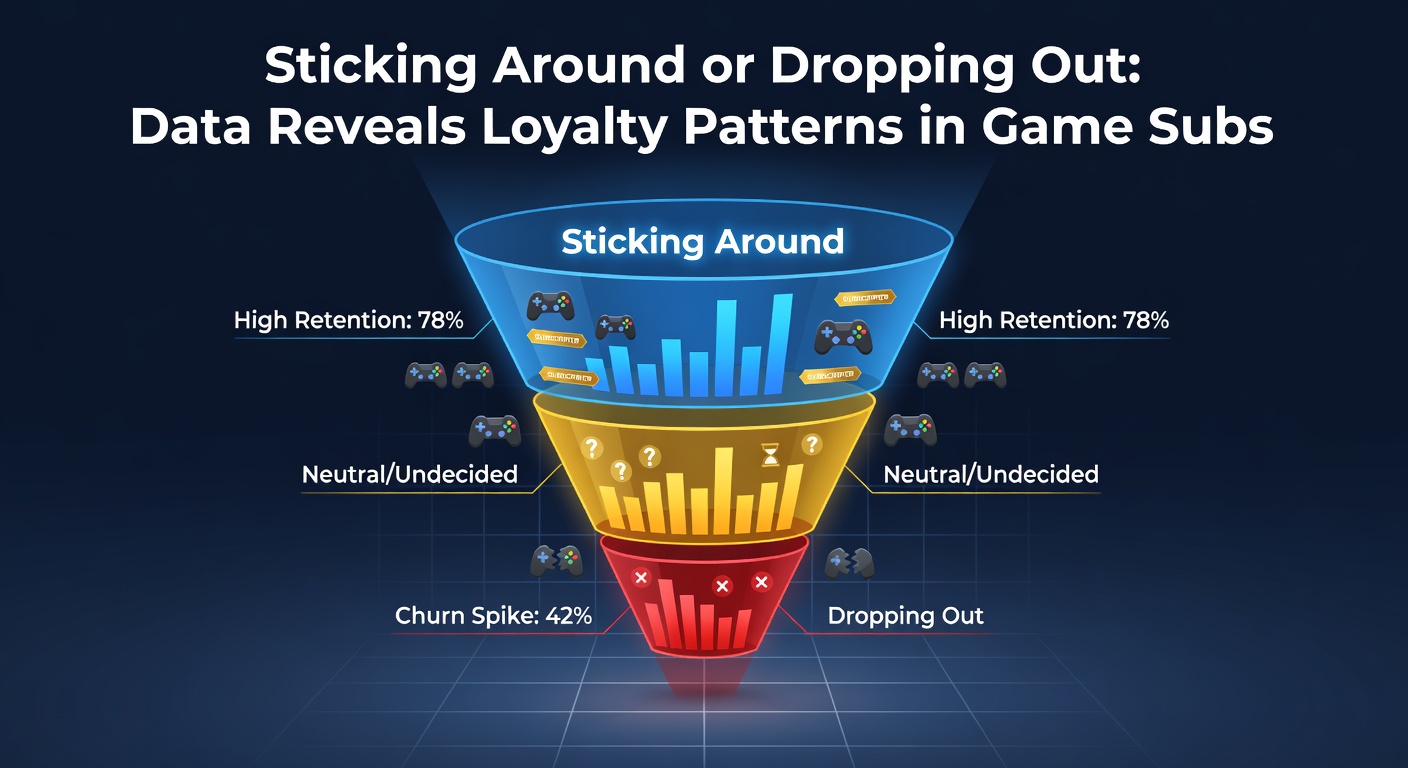
Sticking Around or Dropping Out: Data Reveals Loyalty Patterns in Game Subs
The Surge in Game Subscriptions and Early Retention Wins
Game subscriptions have exploded onto the scene, pulling in millions of players who crave access to vast libraries without dropping cash on individual titles, and data from Newzoo shows the global market hit $2.5 billion in 2025 alone, up 25% from the prior year; yet while sign-ups spike during big launches like those in April 2026's packed release calendar, retention tells a different story since figures reveal that 60% of new subscribers stick around past the first month, but that number plummets to 35% by month three.
Researchers tracking services such as Xbox Game Pass, PlayStation Plus, and EA Play note how introductory offers hook players fast—often with trial periods or discounted first months—leading to those initial highs, and one study from the Entertainment Software Association of Canada (ESAC) pinpoints that bundled perks like cloud streaming keep early adopters engaged longer, especially among console users who average 4.2 months before reassessing.
But here's the thing: loyalty isn't uniform, as patterns emerge based on platform and region, with PC gamers showing slightly higher stickiness at 42% three-month retention compared to mobile's 28%, according to aggregated data from multiple trackers.
Unpacking the Data: Who Stays and Who Bounces
Delving deeper, analysts break down loyalty into clear segments, where hardcore players—those logging 20+ hours weekly—boast 70% six-month retention rates across top services, while casual users dip to under 20%, and this gap widens because frequent players chase ongoing updates in live-service titles like Fortnite or Destiny 2, which anchor subs even as catalogs expand.
Age plays a role too; data indicates millennials (25-40) renew at 55% annually versus Gen Z's 38%, likely tied to disposable income and tolerance for monthly fees hovering around $10-15, and experts observing these trends point to surveys where 68% of retainers cite "value for money" as the top reason, encompassing day-one releases and multiplayer access.
Turns out geographic quirks shape patterns sharply: in North America, U.S. subscribers average 7.8 months per stint per ESA reports, buoyed by aggressive marketing; Europe lags at 6.2 months amid stricter consumer regs, while Asia-Pacific surges past eight months thanks to mobile-heavy models like Tencent's ecosystem.
One case stands out—Xbox Game Pass Ultimate saw retention climb 15% year-over-year through 2025 by layering in PC and console perks, yet even there, seasonal dips hit in Q2 when school resumes, pulling family accounts down 12%.
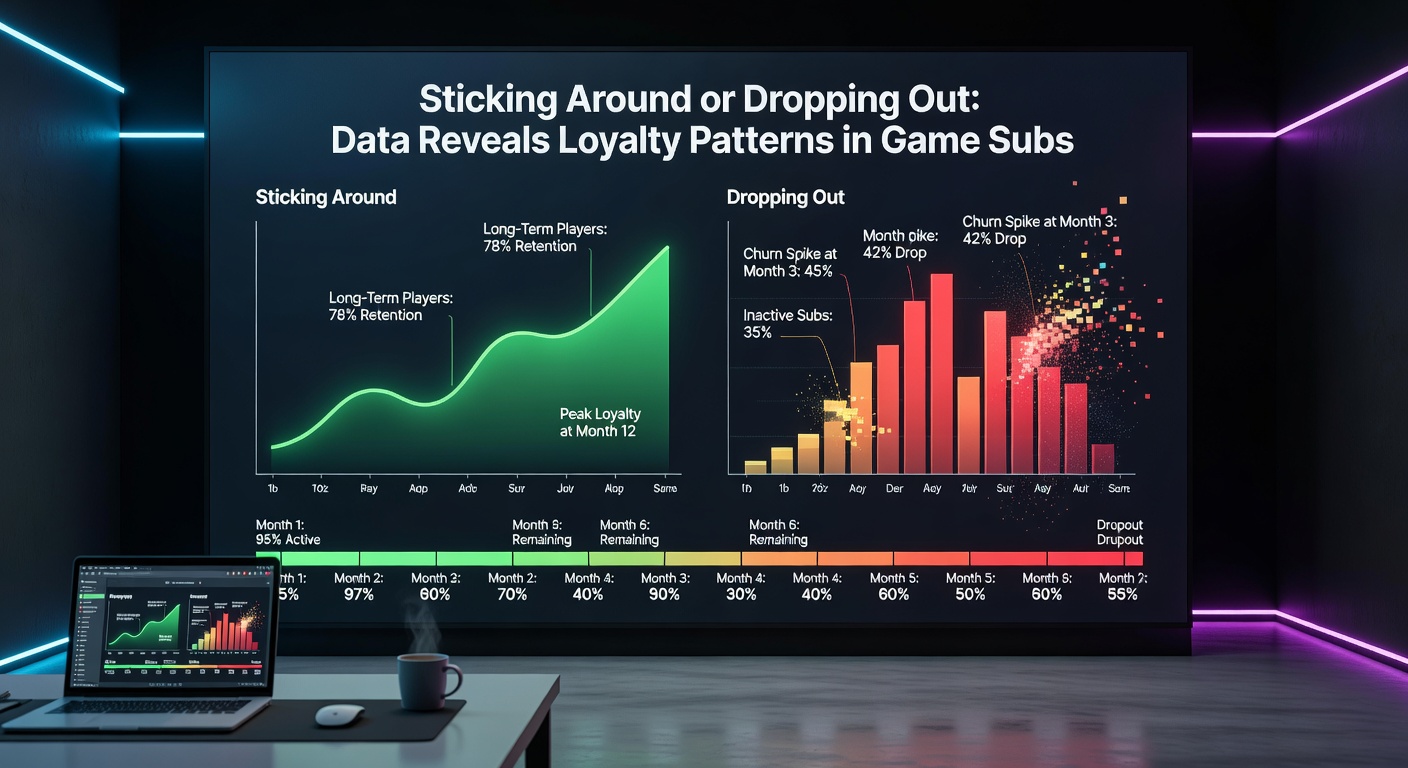
Factors Fueling Long-Term Loyalty
Content cadence emerges as king in keeping subs alive, since services pumping out weekly updates or monthly game drops retain 2.5 times more users than static libraries, and researchers at Newzoo highlight how exclusives—think Starfield expansions or God of War DLC—spike renewals by 22% in the following quarter.
Social features seal the deal too; multiplayer lobbies and cross-play options correlate with 48% lower churn, as groups stick together (one observer noted friend referrals boost lifetime value by 30%), while personalized recommendations via algorithms nudge passive players back in, lifting engagement 18% per internal service metrics.
Price sensitivity looms large, but tiered plans help—basic at $9.99 holds casuals, premium at $16.99 locks in enthusiasts—and data shows bundling with hardware like controllers or cloud saves extends averages by 3.4 months, particularly in markets like Australia where the Interactive Games & Entertainment Association reports rising adoption post-2025 price tweaks.
Now, as April 2026 unfolds with titles like the next Elder Scrolls teed up for subs, early metrics suggest a retention bump from AI-driven personalization, where tailored playlists have already pushed trial-to-paid conversions up 14% in beta tests.
Churn Catalysts: What Pushes Players to the Exit
Cost creeps up as the top dropout trigger, snagging 42% of cancellations when fees rise or budgets tighten, yet burnout from content overload claims 29%, with players citing "too many choices, not enough time" in exit surveys; competition bites too, as rivals snag switchers during free weekends, eroding bases by up to 11% quarterly.
Technical hiccups accelerate exits—laggy streams or broken saves drive 15% immediate churn—and regional variances amplify this, like Europe's GDPR-mandated data opts slowing features, which observers link to a 9% higher drop-off versus the U.S.
Take one revealing case: PlayStation Plus Premium lost 20% of subs post a 2025 price hike, but clawed back half through a vault refresh, showing how quick pivots matter; mobile services face steeper battles, with 55% monthly churn tied to app fatigue amid endless free-to-plays.
That's where the rubber meets the road for operators: predictive analytics now flag at-risk accounts early, using playtime dips to offer discounts, and early 2026 pilots report 25% churn reductions.
Regional and Demographic Deep Dives
Zooming into locales uncovers nuances; Canadian data from ESAC reveals urban subscribers hang on 20% longer than rural ones due to better internet, averaging 8.1 versus 6.7 months, while Australian figures from local trade groups show esports integrations lifting youth retention to 52% amid a booming live-events scene.
Demographics layer on complexity—women, comprising 46% of subs per global trackers, churn 8% faster than men unless family-sharing options activate, and parents with kids under 13 renew 65% higher thanks to kid-friendly filters.
Europe's market, per EU Digital Services Act compliance reports, emphasizes transparency, which paradoxically boosts trust and cuts churn by 7% where services disclose full catalogs upfront; Asia flips the script, with 62% retention in China driven by social integrations tying subs to WeChat ecosystems.
So patterns persist across borders, but adaptations win, as seen in April 2026's regional launches tailoring perks to local tastes.
Projections and Strategies Shaping Tomorrow's Subs
Looking ahead, forecasts peg the sub market at $4.1 billion by 2028, but sustaining growth demands tackling churn head-on; AI tools promise to personalize harder, potentially lifting averages to 10+ months, while blockchain perks like NFT ownership tease loyalty loops yet unproven at scale.
Operators lean into hybrids—subs plus à la carte buys—testing waters with 12% uptake in 2025 trials, and cross-platform unity via standards like those from the global analytics firm could unify fragmented loyalties.
Challenges linger, though, from economic squeezes to regulatory scrutiny in places like the EU, where data portability rules might ease drops but spur competition; still, data optimists point to rising lifetime values, now at $145 per user up from $112 in 2024.
Wrapping Up the Loyalty Landscape
In the end, game subs thrive on balancing acquisition flash with retention grit, where data lays bare that fresh content, smart pricing, and seamless tech keep players looped in longer, even as churn nips at heels; as April 2026 metrics roll in, services adapting fastest—like those weaving in player feedback loops—stand to redefine loyalty, turning one-and-dones into decade-long devotees, and observers watch closely for the next shifts in this dynamic arena.