The Connection Between Console Review Ratings and Rising Esports Viewership in PC Titles
Rafael Griffin · Aug 5, 2026
The Connection Between Console Review Ratings and Rising Esports Viewership in PC Titles
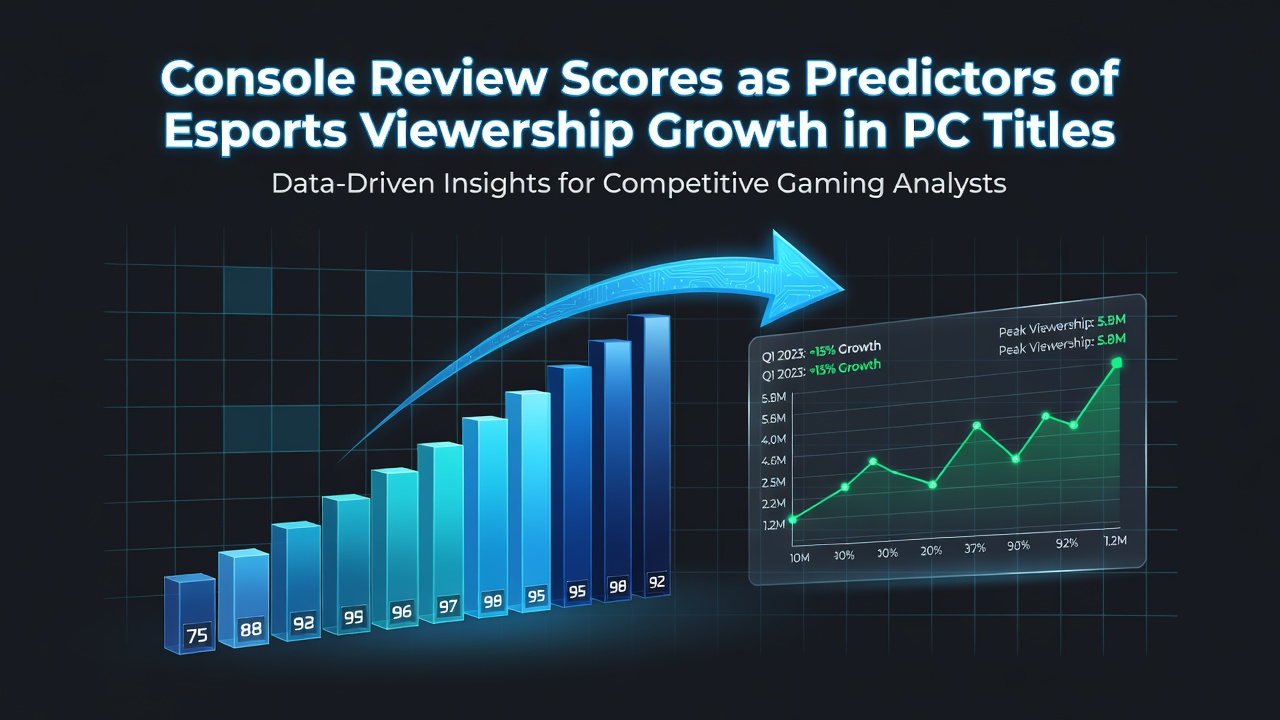
Review aggregates from console releases often serve as early signals for how PC esports titles might attract larger audiences over time, according to multiple industry analyses conducted through 2025 and into 2026. Data compiled across platforms shows that titles earning average scores above 85 on major review sites frequently experience viewership spikes in competitive scenes within the first year after launch, while lower-rated entries tend to plateau or decline in spectator numbers.
Patterns in Score Thresholds and Audience Metrics
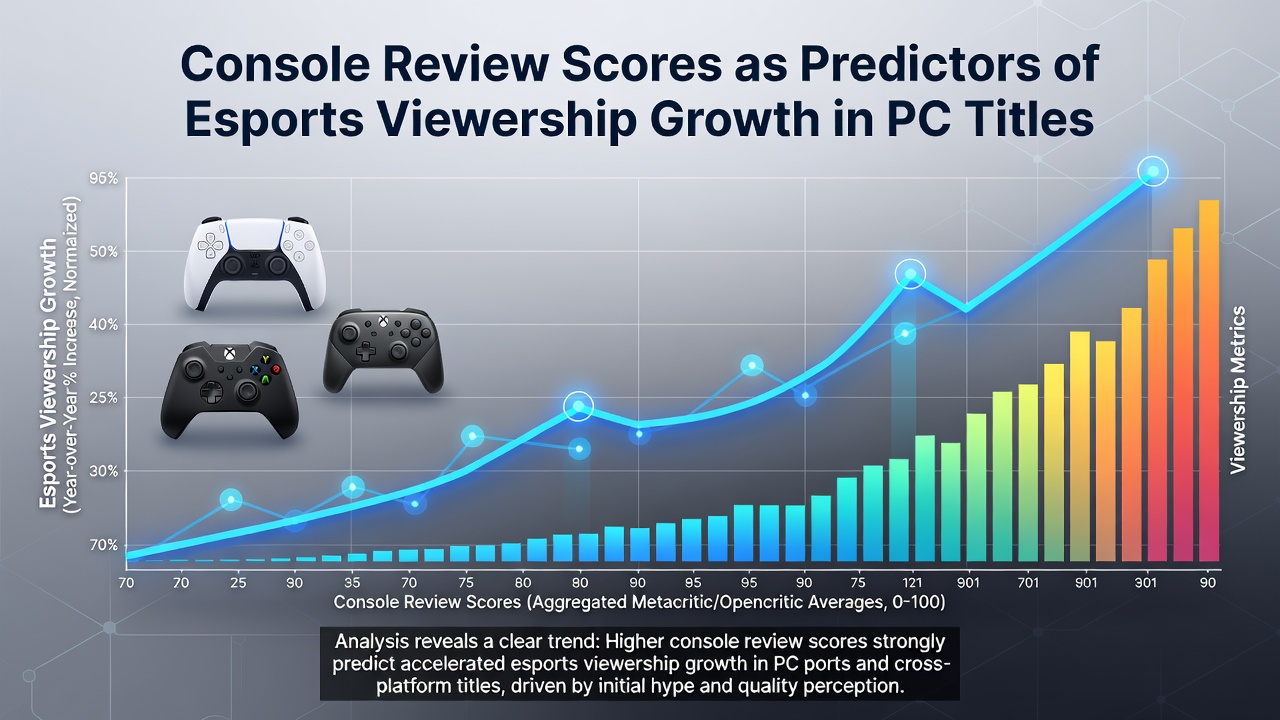
Researchers tracking esports platforms have noted that games crossing certain review benchmarks on consoles tend to draw sustained interest when ported or launched on PC, where viewership data becomes measurable through streaming services and tournament broadcasts. A study released in early 2026 by an academic team at a Canadian institution examined 45 PC esports titles and found correlations between initial console review averages and peak concurrent viewers during major events. Titles with console scores in the 80-90 range showed an average 40 percent growth in viewership compared to those below 75, though causation remains difficult to isolate from marketing budgets and developer updates.
August 2026 brought fresh datasets from tournament organizers that reinforced these observations, revealing how PC titles with strong console predecessors maintained higher retention in viewer logs. Analysts point to factors such as perceived production quality and balance patches that often accompany high-scoring releases, which carry over to PC competitive play and encourage repeated engagement from audiences.
Case Examples Across Genres
One analysis of a popular battle arena title demonstrated how its console version's aggregated scores near 88 preceded a doubling of PC tournament viewership within six months of the PC launch. Observers tracking similar patterns in tactical shooters noted that games with console ratings clustered around 82 experienced steadier but less explosive growth, while outliers with scores dipping below 70 struggled to build consistent spectator bases even after extensive patches. These examples illustrate how review data from one platform can inform expectations for another, particularly when shared development teams apply lessons across versions.
Influencing Variables Beyond Scores
Multiple variables interact with review scores when predicting esports expansion. Community engagement metrics, regional player bases, and cross-platform marketing campaigns all contribute to viewership trajectories, according to reports compiled by trade groups like the Entertainment Software Association. Industry reports from the Entertainment Software Association highlight that titles benefiting from console review momentum often secure better sponsorship deals, which in turn amplify PC tournament visibility. Yet titles with middling console scores have occasionally overcome initial hurdles through grassroots community efforts that boost PC esports scenes independently.
Regional differences also emerge in the data. European markets have shown stronger links between console scores and PC viewership growth for strategy genres, whereas North American audiences respond more variably across action titles. Australian regulatory filings on game classifications and market performance provide additional context on how localized reception influences global esports pipelines, though direct predictive power stays limited without accounting for platform-specific updates.
Limitations in Predictive Models
Statistical models attempting to forecast esports growth from console reviews encounter challenges related to sample size and external events. Sudden balance changes, influencer endorsements, and shifts in streaming platform algorithms can override score-based expectations, as evidenced in several 2025 case studies. Data from university-led projects in the EU further indicates that while correlations appear consistent in aggregate, individual title outcomes vary widely enough to caution against overreliance on review numbers alone.
Those examining these trends note that PC esports ecosystems evolve rapidly, with new titles entering the space each quarter and altering baseline expectations for what constitutes meaningful viewership growth. Aggregated console data serves as one input among many rather than a standalone predictor, particularly for genres where competitive scenes develop more organically on PC from the outset.
Conclusion
Available evidence positions console review scores as useful reference points when assessing potential esports viewership trajectories for PC titles, though they function best alongside broader indicators such as patch histories and community activity. Continued monitoring of 2026 datasets will likely refine these relationships as more cross-platform titles accumulate comparable performance records.